White House Faces Mounting Questions as Energy Pressures, Iran Policy, and Ethics Controversies Converge
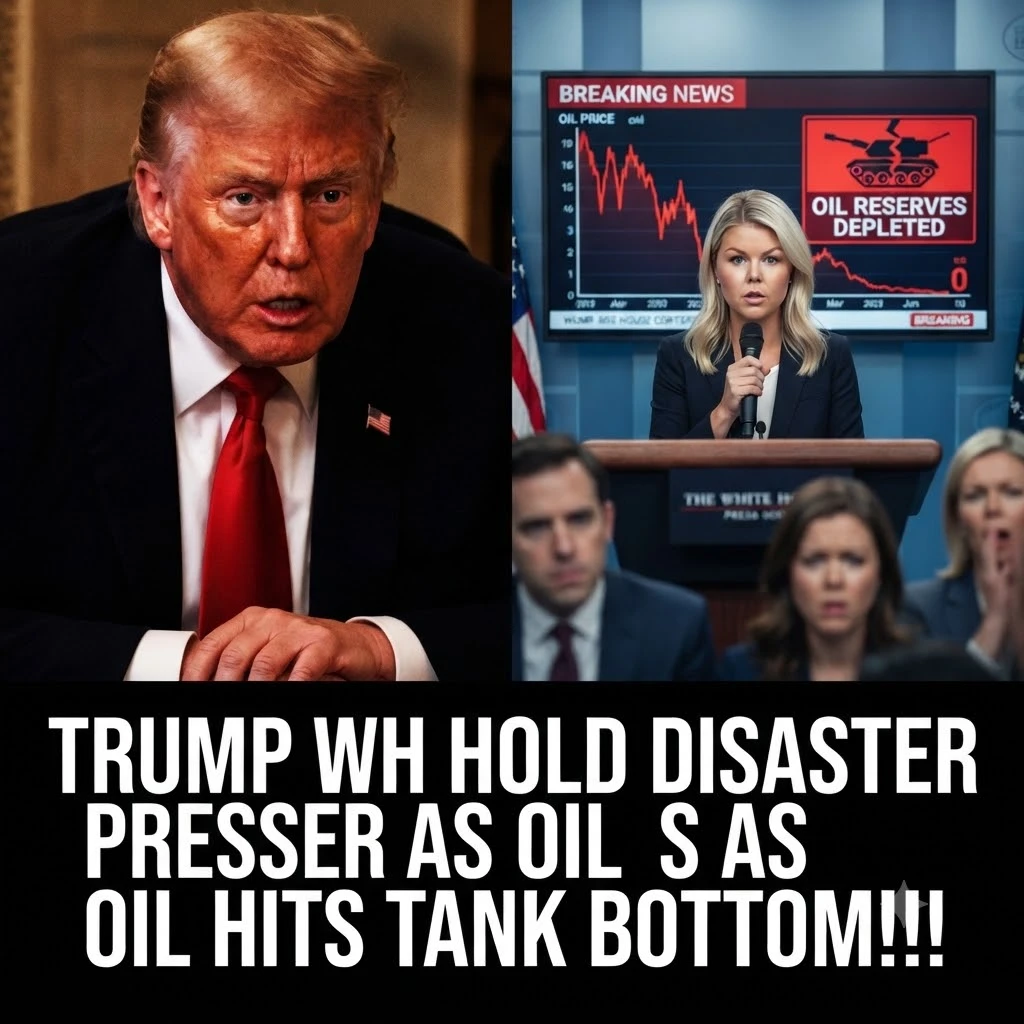
The White House confronted a fresh wave of scrutiny this week as concerns over U.S. energy reserves, conflicting messages on Iran, inflation, and a series of emerging ethics questions combined to create one of the administration’s most challenging political moments in recent months.
At the center of the debate is America’s energy security. Newly released government data showed crude oil inventories at the Cushing, Oklahoma storage hub falling below 20 million barrels, a level closely watched because of its importance to the nation’s pipeline network.
Energy specialists often describe extremely low inventories as approaching operational minimums, where maintaining efficient movement through storage and pipeline systems becomes increasingly difficult. While officials continue to monitor supplies, the figures have intensified discussion about the resilience of domestic energy infrastructure.

The timing has amplified those concerns. Heightened instability across the Middle East has renewed fears that disruptions to vital shipping corridors, including the Strait of Hormuz and Bab el-Mandeb, could place additional strain on global oil markets and fuel supplies.
Foreign policy became another focal point during the administration’s latest press briefing, where reporters questioned whether recent statements from senior officials reflected a coherent strategy toward Iran as regional tensions continue to escalate.
The questions followed President Donald Trump’s sharply critical comments about the Iranian leadership alongside Vice President JD Vance’s recent suggestion that diplomacy should remain part of any long-term strategy for dealing with Tehran despite profound disagreements.

Press Secretary Karoline Leavitt rejected suggestions of conflicting approaches, insisting that the administration remains united in its objectives. She argued that recent military operations had significantly disrupted Iranian command structures while preserving diplomatic options when appropriate.
Economic policy also dominated the briefing after the White House highlighted the latest Consumer Price Index figures, pointing to a modest monthly decline while emphasizing continued progress in slowing inflation compared with previous years.
Administration officials portrayed the report as evidence that their economic strategy is producing measurable results. Nevertheless, economists cautioned that annual inflation remains elevated enough for many households to continue experiencing higher costs across essential goods and services.

Energy prices remain particularly sensitive. Analysts note that refinery profit margins and broader global market conditions continue influencing fuel costs, meaning improvements in headline inflation figures do not necessarily translate into immediate relief for consumers filling their vehicles.
The briefing also addressed a pair of controversies unrelated to economic policy. One involved reports that a White House teleprompter operator had been suspended following allegations of using advance access to presidential speeches for financial betting purposes.
Another line of questioning focused on a mining agreement involving Kazakhstan after reports emerged that members of the president’s family had acquired a financial interest connected to the project shortly before the international deal became public.

Leavitt stated that, to her knowledge, President Trump had not been aware of his sons’ reported business involvement before media coverage surfaced, seeking to distance the administration from suggestions of improper coordination or conflicts of interest.
Meanwhile, political criticism continued to build outside the White House. Senator Jon Ossoff argued that the administration’s planned national address risked diverting public attention from mounting international tensions and persistent economic pressures affecting American families.
Taken together, the debates surrounding energy security, inflation, foreign policy, and ethics illustrate the increasingly complex environment confronting the administration. As geopolitical uncertainty grows abroad and political divisions deepen at home, public confidence may depend as much on transparency and consistency as on policy outcomes themselves.