Trump Leak Probe Sparks New Clash Over Press Freedom and National Security
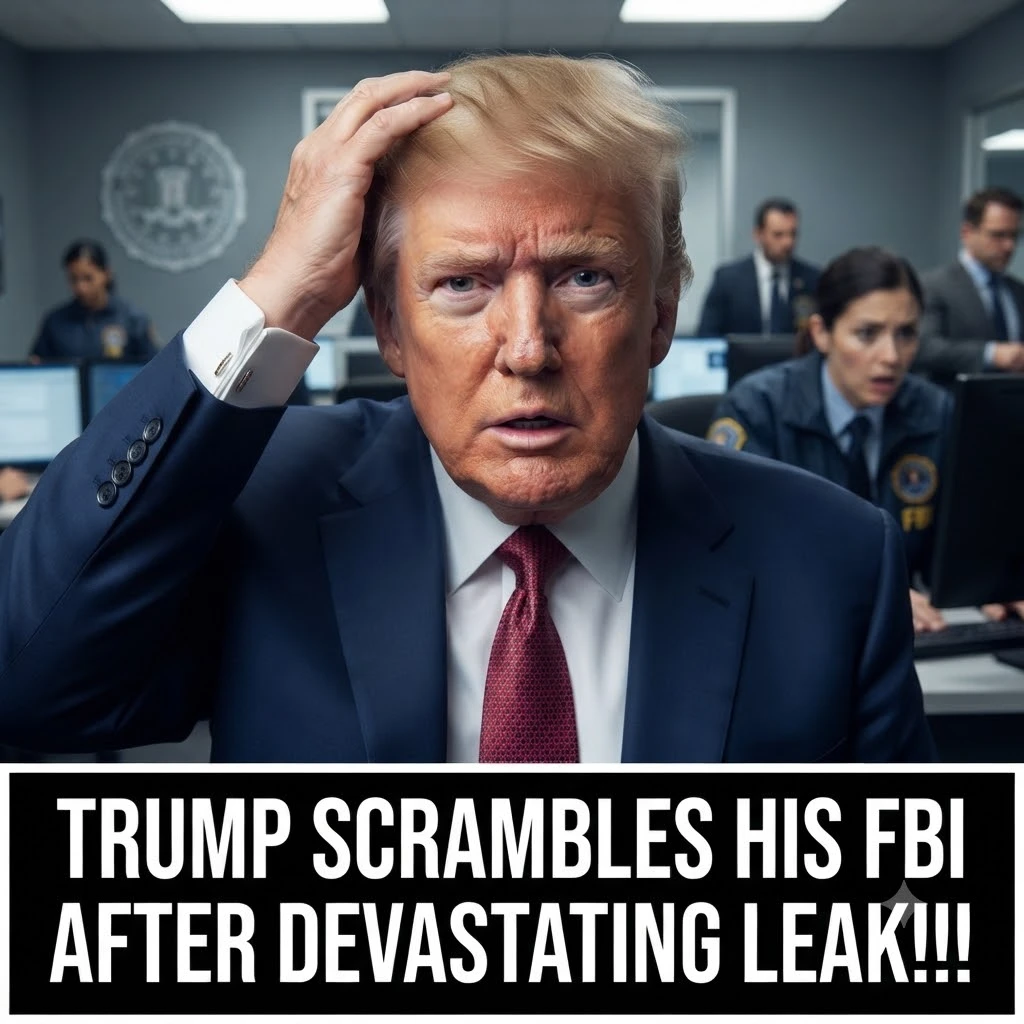
A fresh legal battle is unfolding in Washington after a leak involving a luxury Boeing 747-800 intended to replace Air Force One triggered an aggressive federal investigation, raising difficult questions about press freedom, government transparency, and the limits of executive power. The dispute has rapidly evolved beyond a routine national security inquiry into a broader constitutional debate over the relationship between the White House and the American press.
The controversy began when The New York Times published a report examining a Boeing 747-800 that had reportedly been gifted by Qatar for future presidential use. The article alleged that the aircraft lacked several critical defensive systems required to safely transport the commander in chief into high-threat environments, prompting immediate concern among national security experts.

According to former government officials familiar with presidential aviation, transforming the aircraft into a fully operational replacement for Air Force One would require extensive modifications. Estimates suggested the necessary security upgrades—including sophisticated anti-missile defense technology and classified communications equipment—could cost anywhere from hundreds of millions to nearly one billion dollars.
Publication of the report quickly prompted an unusually forceful response inside the administration. Rather than allowing federal investigators to proceed through traditional independent channels, President Donald Trump reportedly directed FBI Director Kash Patel to launch an immediate investigation aimed at identifying the individual responsible for disclosing the confidential information.

The inquiry soon expanded into the newsroom itself. Federal prosecutors issued grand jury subpoenas to four reporters from The New York Times, ordering them to provide testimony within just forty-eight hours as investigators sought to determine the source of the leak. The move immediately sparked criticism from advocates of press freedom and constitutional law scholars.
Attorneys representing The New York Times responded by announcing plans to challenge the subpoenas in federal court. Their legal strategy centers on filing a motion to quash, asking a judge to invalidate the demands for testimony on the grounds that compelling journalists to reveal confidential sources threatens the essential role of investigative reporting in a democratic society.

The dispute has revived longstanding legal questions surrounding the protections afforded to journalists under the First Amendment. Although the Constitution strongly safeguards freedom of the press, the Supreme Court has never recognized an absolute privilege allowing reporters to refuse cooperation with criminal investigations in every circumstance.
Instead, courts have generally relied upon the framework established by the Supreme Court’s landmark 1972 decision in Branzburg v. Hayes. That ruling recognized only a qualified reporter’s privilege, requiring judges to balance the government’s legitimate investigative interests against the public’s powerful interest in protecting confidential sources and preserving independent journalism.

Supporters of the newspaper argue that the published article revealed no classified technical schematics or operational details that could realistically assist foreign adversaries. Rather, they contend the reporting exposed significant concerns regarding taxpayer spending, aircraft readiness, and presidential security—issues they believe fall squarely within the public’s legitimate right to know.
Critics of the subpoenas further argue that compelling journalists to testify risks creating a chilling effect across the news industry. If confidential sources believe their identities can be easily uncovered through criminal investigations, future whistleblowers may hesitate to disclose information involving potential government waste, misconduct, or national policy failures.

Government officials, however, continue to maintain that unauthorized disclosures involving sensitive national security matters cannot simply be dismissed because they are politically controversial. Investigators argue that identifying those responsible for leaking protected information remains essential to safeguarding classified programs and preserving the integrity of government operations.
As the legal fight moves toward federal court, the outcome could shape the balance between national security and press freedom for years to come. Whatever the final ruling, the case has already become another defining test of how far the government may go in pursuing leakers—and how firmly the American legal system will protect journalists who bring matters of public importance into the open.