Retail Crime Bill Triggers Alarm Over Consumer Privacy and Federal Surveillance
A federal proposal intended to combat organized retail theft is rapidly becoming the center of an increasingly heated debate in Washington, as civil liberties advocates warn that the legislation could dramatically expand government surveillance powers while reshaping the relationship between private businesses and federal law enforcement.
Known as the Combating Organized Retail Crime Act, or CORCA, the bill has been promoted by supporters as a necessary response to organized shoplifting networks that have caused significant financial losses for retailers across the United States. Backers argue stronger federal coordination is essential to dismantle sophisticated criminal operations that often cross state lines.

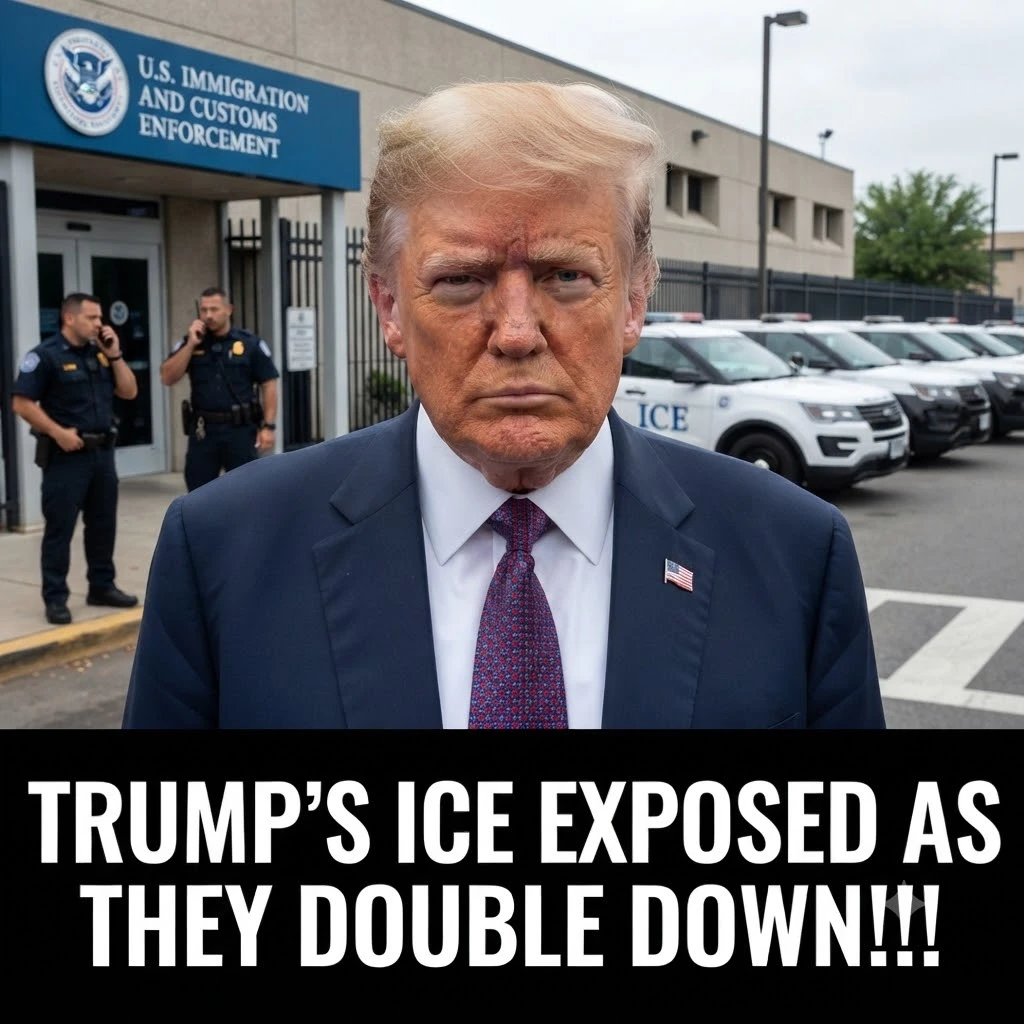
Opponents, however, contend that the legislation reaches far beyond its stated purpose. They argue that buried within the bill is a provision allowing private retailers to voluntarily share customers’ shopping information directly with the Department of Homeland Security and U.S. Immigration and Customs Enforcement during certain investigations.
Privacy advocates say that provision fundamentally changes the balance between consumers, businesses, and the federal government. Rather than limiting enforcement to organized criminal enterprises, critics fear the measure could create an unprecedented pipeline through which ordinary purchasing data becomes accessible to federal immigration authorities.

The concerns extend beyond retail records alone. Civil liberties organizations argue that federal agencies have already expanded their use of government-held databases, including information connected to public benefit programs and tax administration. Allowing similar access to commercial purchasing records, they warn, would significantly broaden the government’s surveillance capabilities.
Critics also question whether harsher criminal penalties are likely to reduce retail theft in the first place. They argue that organized theft rings typically operate through sophisticated resale networks that require targeted financial investigations rather than broader criminal enforcement directed at low-level offenders or everyday consumers.

Many experts distinguish between organized retail crime and the far more common incidents involving individuals struggling with poverty, addiction, or untreated mental illness. They contend that increasing prison sentences or expanding surveillance does little to address the underlying circumstances that often contribute to repeat low-level offenses.
Another source of controversy involves the shifting role of federal agencies. Retail theft has historically been investigated primarily by local police departments operating under the oversight of locally elected officials. Critics argue that expanding the involvement of federal immigration authorities risks reducing transparency and weakening community accountability.
The debate has intensified amid continuing scrutiny of recent immigration enforcement operations that have generated nationwide controversy. Opponents of the legislation argue that granting additional investigative authority to agencies already facing questions about oversight could further erode public confidence in federal law enforcement institutions.

Supporters of alternative approaches point to evidence suggesting that crime reduction is most successful when enforcement is combined with targeted social interventions. National crime statistics have generally shown continued declines in both violent and property offenses, a trend many researchers attribute to investments in prevention and community-based public safety strategies.
Among the most frequently cited examples is Denver’s Support Team Assisted Response program, widely known as STAR. Instead of dispatching armed officers to every low-level incident, specially trained medical and behavioral health professionals respond to calls involving mental health crises, addiction, and other non-violent situations.

Research examining the STAR initiative found that addressing behavioral health needs at the point of crisis significantly reduced subsequent low-level arrests. Supporters argue the program demonstrates that tackling the root causes of offending can improve public safety more effectively than relying exclusively on arrests and incarceration.
The political battle surrounding CORCA has become even more consequential after lawmakers reportedly explored attaching the proposal to the National Defense Authorization Act, the annual military funding package that Congress traditionally considers essential legislation. Critics argue such a move would limit public debate on a bill carrying substantial implications for privacy and federal investigative authority.
As Congress prepares for the next stage of negotiations, the future of CORCA remains uncertain. Yet the controversy has already evolved into something far larger than a debate over shoplifting, raising fundamental questions about how far government surveillance should extend, how personal consumer data should be protected, and whether public safety can be strengthened without sacrificing core civil liberties.