Trump Faces Mounting Pressure as Election Claims Collide With Escalating Middle East Crisis
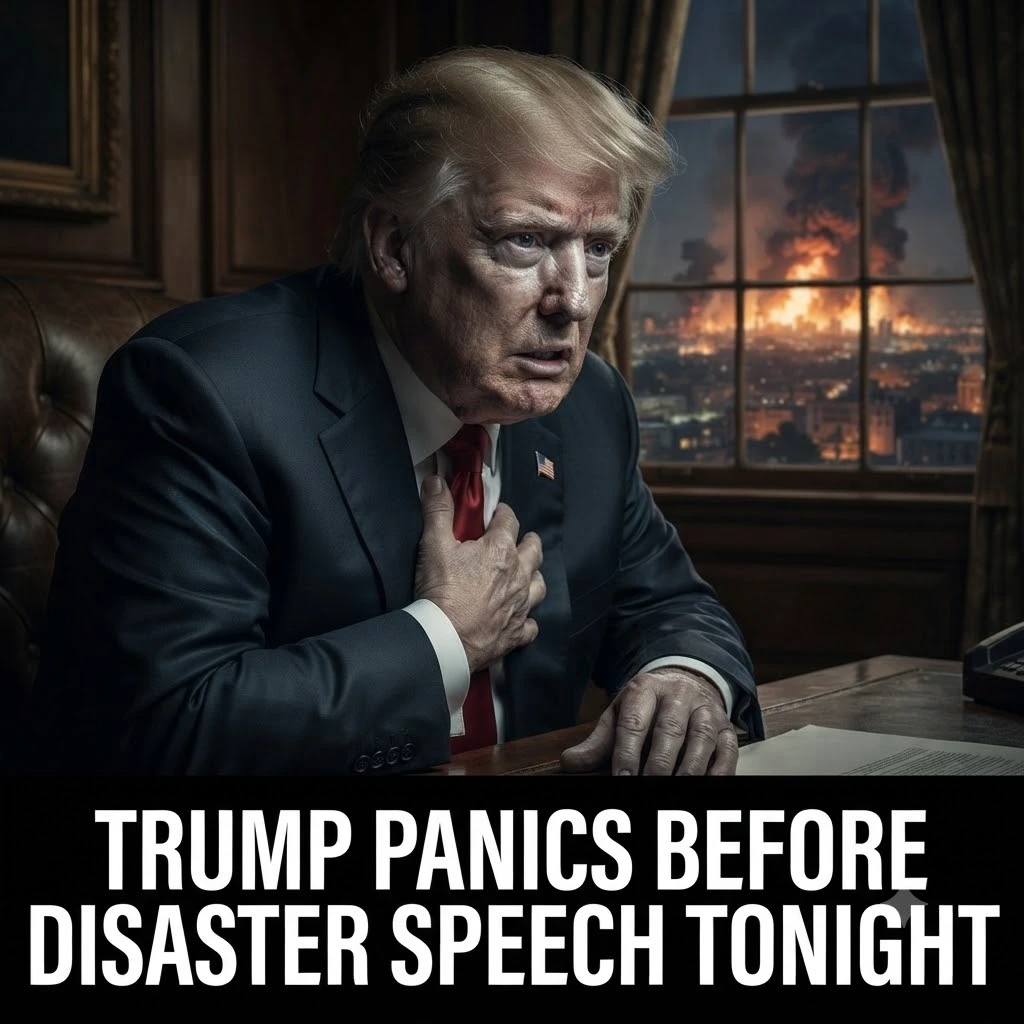
President Donald Trump entered another turbulent political moment as anticipation built around a nationally televised address expected to focus on the 2020 election, even as an increasingly volatile security crisis in the Middle East demanded the administration’s immediate attention.
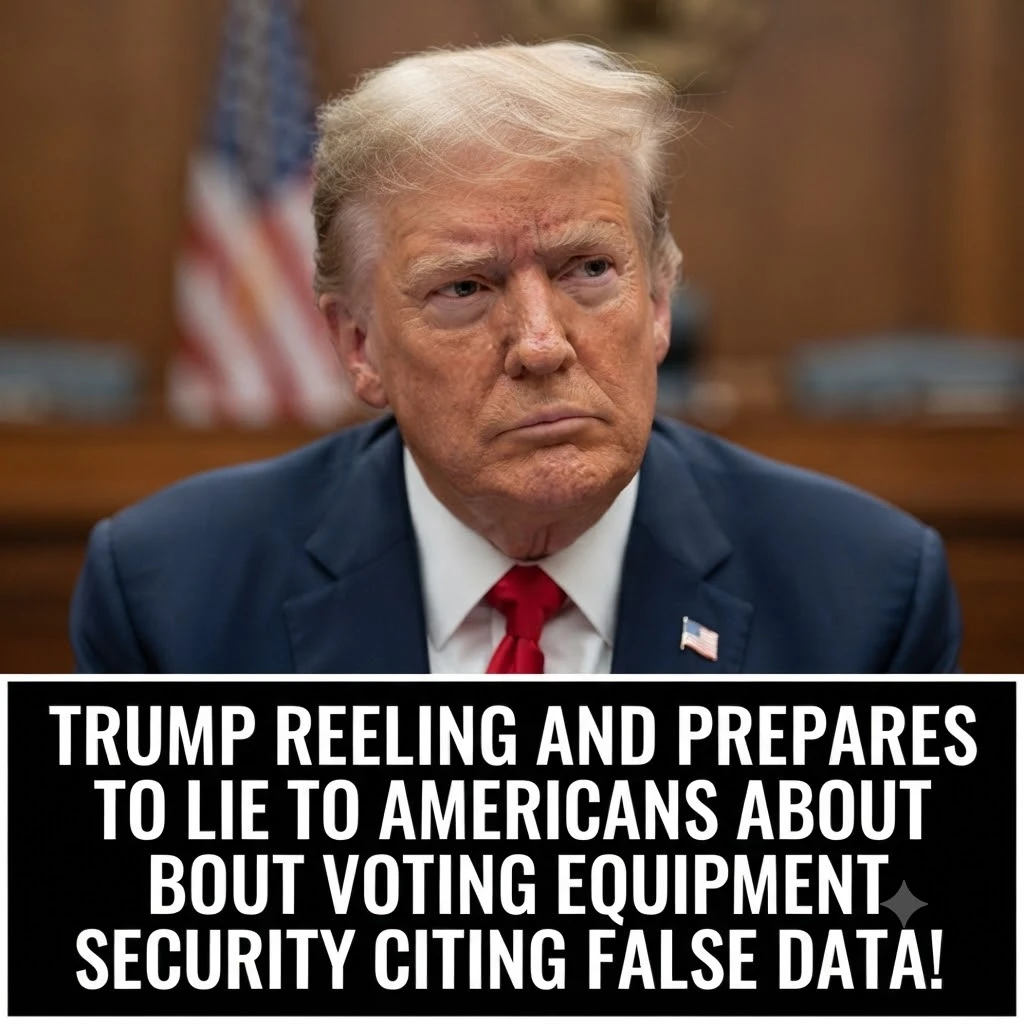
The planned speech has drawn widespread attention after reports suggested Trump would again question the integrity of the last presidential election, alleging that Chinese actors accessed American voter data and that intelligence agencies failed to fully disclose the matter.
According to accounts surrounding the address, Trump is expected to argue that the alleged interference affected key races, including contests in Georgia, while renewing broader criticism of officials involved in certifying the 2020 election results.

The timing has fueled political debate. Critics argue that revisiting disputed election claims risks reigniting divisions ahead of the approaching midterm elections, while supporters maintain that unanswered questions surrounding election security deserve continued public examination.
Adding another layer of intrigue, observers noted that as the administration prepared its latest election message, Trump also shared multiple photographs highlighting previous meetings with Chinese President Xi Jinping, prompting fresh discussion about the political optics of the moment.
Beyond Washington, however, global attention has increasingly shifted toward the Middle East, where military tensions continue to intensify across several strategic flashpoints, raising fears that regional confrontations could expand into a broader international conflict.

Particular concern surrounds vital maritime corridors that carry a significant share of the world’s energy supplies. Reports indicate that Iran-aligned Houthi forces have threatened disruption of the Bab al-Mandab Strait should military operations against Iranian infrastructure continue.
Meanwhile, commercial shipping through the Strait of Hormuz has slowed significantly following a series of regional security incidents, including reported drone attacks affecting maritime facilities and vessels operating near Iraq’s southern export terminals.
Security analysts warn that prolonged disruption across either shipping corridor could have immediate consequences for global energy markets, insurance costs, and international supply chains already facing persistent geopolitical uncertainty.

The conflict has also expanded across multiple fronts. Satellite imagery and regional reports have pointed to drone activity targeting military installations in Iraq, while additional strikes have reportedly affected infrastructure elsewhere in the Gulf region.
At the same time, regional diplomacy appears increasingly fragile. Mediation efforts involving neighboring countries have reportedly stalled as competing security alliances complicate negotiations, while continued military operations in southern Lebanon have added further strain to already delicate ceasefire discussions.
Domestic politics have unfolded alongside the international crisis. Georgia Senator Jon Ossoff argued that continued promotion of election denial narratives could ultimately damage Republican electoral prospects, reflecting ongoing divisions over how the party should approach the issue.

Vice President JD Vance also entered the political conversation, criticizing media coverage surrounding previous presidential health debates while defending the administration’s handling of broader communications issues.
Trump adviser Stephen Miller, meanwhile, delivered forceful warnings about what he described as growing ideological threats inside the United States, framing the country’s political future as a defining struggle over national identity and security.
As international tensions mount and political divisions deepen at home, the administration faces the difficult challenge of balancing military strategy, economic stability, and public confidence. Whether tonight’s presidential address reshapes the national conversation or further intensifies it may become clear in the days ahead.