Threats Against Trump Escalate as Middle East Conflict Expands Beyond the Battlefield
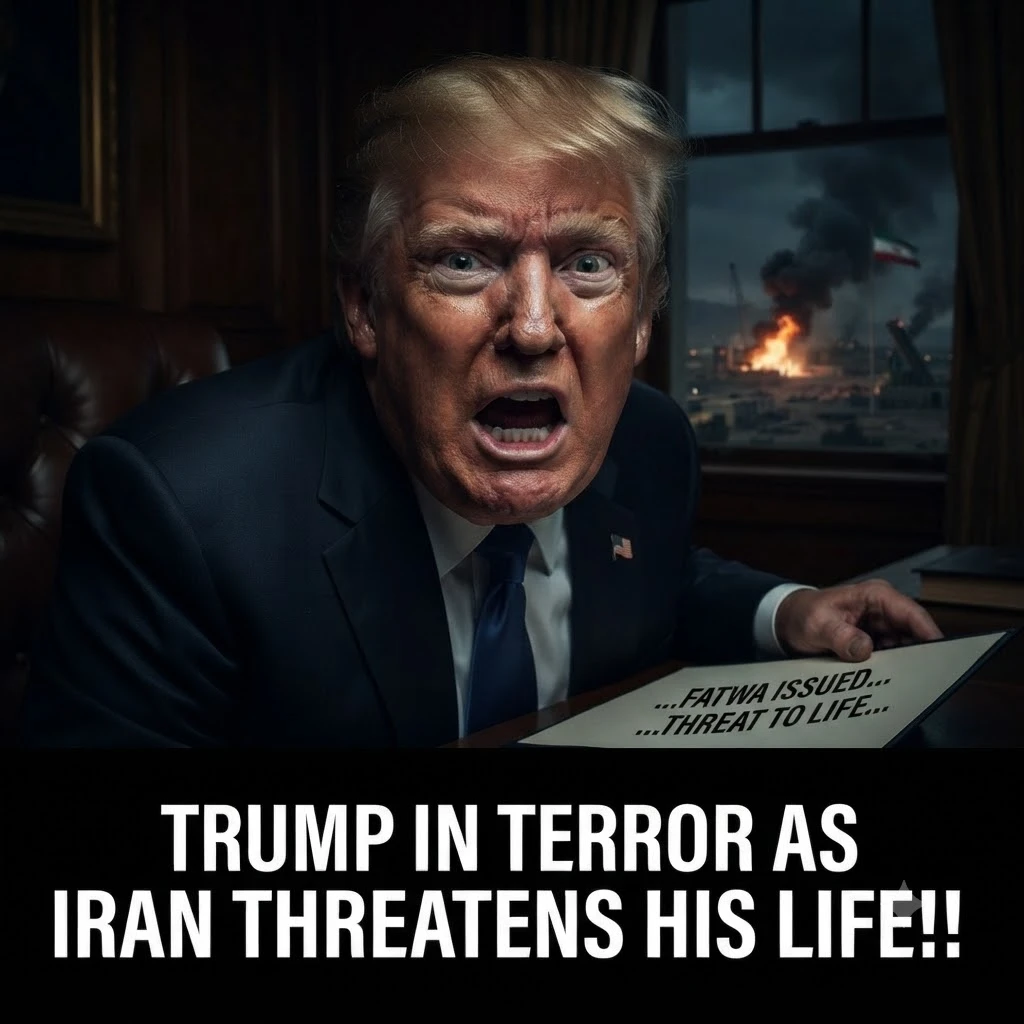
The conflict between the United States and Iran has entered an increasingly dangerous phase, with military exchanges now accompanied by explicit threats against President Donald Trump, heightened security measures, and growing fears that political rhetoric could fuel a wider regional crisis.
As tensions intensify across the Middle East, pro-Iranian groups have shifted their focus from conventional military targets to highly personal warnings directed at the American president, adding a new layer of uncertainty to an already volatile geopolitical landscape.
One of the most alarming developments came when the Islamic Resistance in Iraq, an umbrella organization of Iran-aligned militias, publicly announced a multimillion-dollar reward for information or actions leading to Trump’s assassination. The statement framed the threat as retaliation for the 2020 drone strike that killed Iranian General Qasem Soleimani and Iraqi militia commander Abu Mahdi al-Muhandis.

The announcement quickly attracted international attention, not only because of its explicit language but also because it represented a rare instance of a militant organization publicly attaching a financial incentive to an attack on a sitting American president.
Separately, inflammatory rhetoric surfaced on Iranian state television, where a former member of parliament urged citizens to contribute small monthly donations toward building an enormous fund dedicated to financing an operation against Trump. Although symbolic, the proposal underscored the increasingly personal tone surrounding the confrontation.
Security concerns deepened after Iranian state media aired detailed analyses of presidential protection procedures. The televised segments reportedly examined motorcade formations, escort vehicles, emergency response units, and security practices used during presidential movements in both New York and Florida.

Counterterrorism specialists have long warned that publicly discussing or broadcasting detailed protective measures can complicate security planning, even when much of the information is drawn from publicly available observations rather than classified intelligence.
Against this backdrop, reports suggest the White House has adopted additional precautions surrounding presidential travel. Observers noted changes in transportation arrangements and heightened operational security as officials assessed evolving threat levels connected to the regional conflict.
Trump has responded with unusually forceful public rhetoric of his own, warning that any successful attack against him would trigger an overwhelming American military response against Iran. The remarks reinforced an already escalating cycle of deterrence, threats, and counter-threats dominating relations between Washington and Tehran.

Meanwhile, military operations have continued across the region. U.S. forces have acknowledged strikes targeting Iranian transportation infrastructure linked to military logistics, while Iranian officials have vowed continued retaliation through both direct and proxy channels.
Attention has also shifted toward critical maritime routes that underpin the global energy market. Iranian officials and allied groups have warned that strategic waterways, including the Bab al-Mandab Strait, could become focal points for future confrontation if military operations continue expanding.
Commercial shipping companies are already responding with increased caution. Some tanker operators have reportedly questioned existing security guidance as insurance costs climb and concerns grow over the safety of vessels transiting waters near the Strait of Hormuz.

Energy analysts warn that even limited disruptions in these maritime corridors could rapidly affect global oil supplies, shipping schedules, and commodity markets. The psychological impact of uncertainty alone has historically been enough to drive volatility across international financial markets.
As military pressure, political messaging, and personal threats converge, the crisis increasingly extends beyond traditional battlefield calculations. What began as a strategic confrontation now carries profound implications for diplomatic stability, global commerce, and presidential security, illustrating how modern conflicts can blur the lines between military operations, psychological warfare, and international politics.