Television Networks Face Extraordinary Decision as Trump’s Primetime Election Address Sparks Editorial and Legal Debate
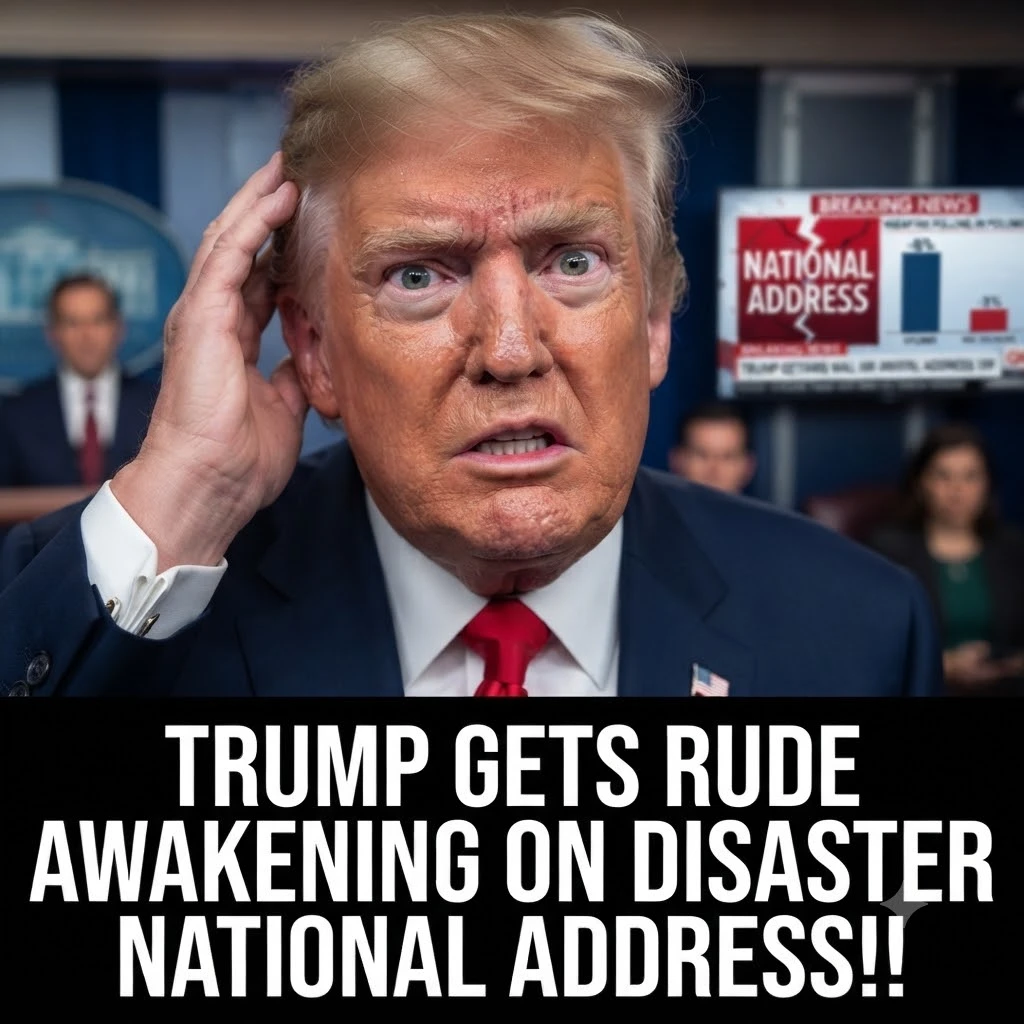
An unusual standoff unfolded between the White House and America’s largest television networks as broadcasters weighed whether to carry President Donald Trump’s scheduled primetime address, a speech expected to focus heavily on election integrity and the legacy of the 2020 presidential race.
The uncertainty surrounding the broadcast reflected a rare moment in modern political communication. Hours before the president’s scheduled appearance, several major networks had yet to confirm whether they would interrupt regular programming to air the remarks live.
Traditionally, presidential addresses receive broad national coverage, particularly when they concern matters of national security or major domestic policy. This occasion, however, presented a more complicated editorial judgment shaped by legal concerns and recent political history.

According to officials, the address would focus on what the administration described as safeguarding free and fair elections. Critics, meanwhile, questioned whether the speech would revisit claims surrounding the 2020 election that have already been extensively litigated and publicly debated.
Those concerns quickly surfaced during the White House’s daily press briefing, where Press Secretary Karoline Leavitt faced pointed questions about the purpose and expected content of the president’s nationally televised remarks.
Reporters pressed Leavitt on why the administration continued emphasizing the 2020 election despite years of investigations, recounts, audits, and court proceedings that examined numerous allegations raised following the presidential contest.

Leavitt defended the upcoming address, insisting the president intended to present information that would generate renewed public discussion about election security. She also argued that millions of Americans continue expressing concerns about confidence in the electoral system.
The administration’s messaging has unfolded against the backdrop of an increasingly competitive political environment as attention gradually shifts toward the approaching midterm elections and the balance of power in Congress.
Supporters of the administration argue that election security remains a legitimate issue deserving continued attention, while opponents contend that repeated focus on past disputes risks distracting from more immediate domestic and international challenges confronting the country.

Political analysts also note that control of Congress carries unusually high stakes. A change in congressional leadership could significantly expand investigative authority over executive branch actions, administration officials, and broader government decision-making.
The debate surrounding the speech has revived memories of previous high-profile interviews in which Trump defended his claims about election irregularities while rejecting criticism from journalists questioning the available evidence supporting those assertions.
For broadcasters, however, the decision extends beyond politics alone. Media organizations now operate in a legal environment shaped by major defamation cases that have heightened awareness of potential liability associated with airing disputed factual claims.

Executives remain mindful that editorial decisions involving election-related coverage may carry substantial financial and legal consequences, reinforcing a more cautious approach when evaluating live broadcasts involving politically sensitive subjects.
The result is a complex balancing act between informing the public, respecting the significance of presidential communications, maintaining editorial standards, and minimizing legal exposure in an increasingly polarized media landscape.
Whether the address ultimately reshapes public opinion may prove less significant than the broader questions it raises about journalism, political accountability, and the responsibilities of national broadcasters during periods of intense public disagreement over democratic institutions.
As election season accelerates, the confrontation illustrates how presidential messaging, media judgment, and legal risk have become increasingly intertwined, ensuring that decisions made inside television control rooms now carry political consequences extending far beyond the evening news.