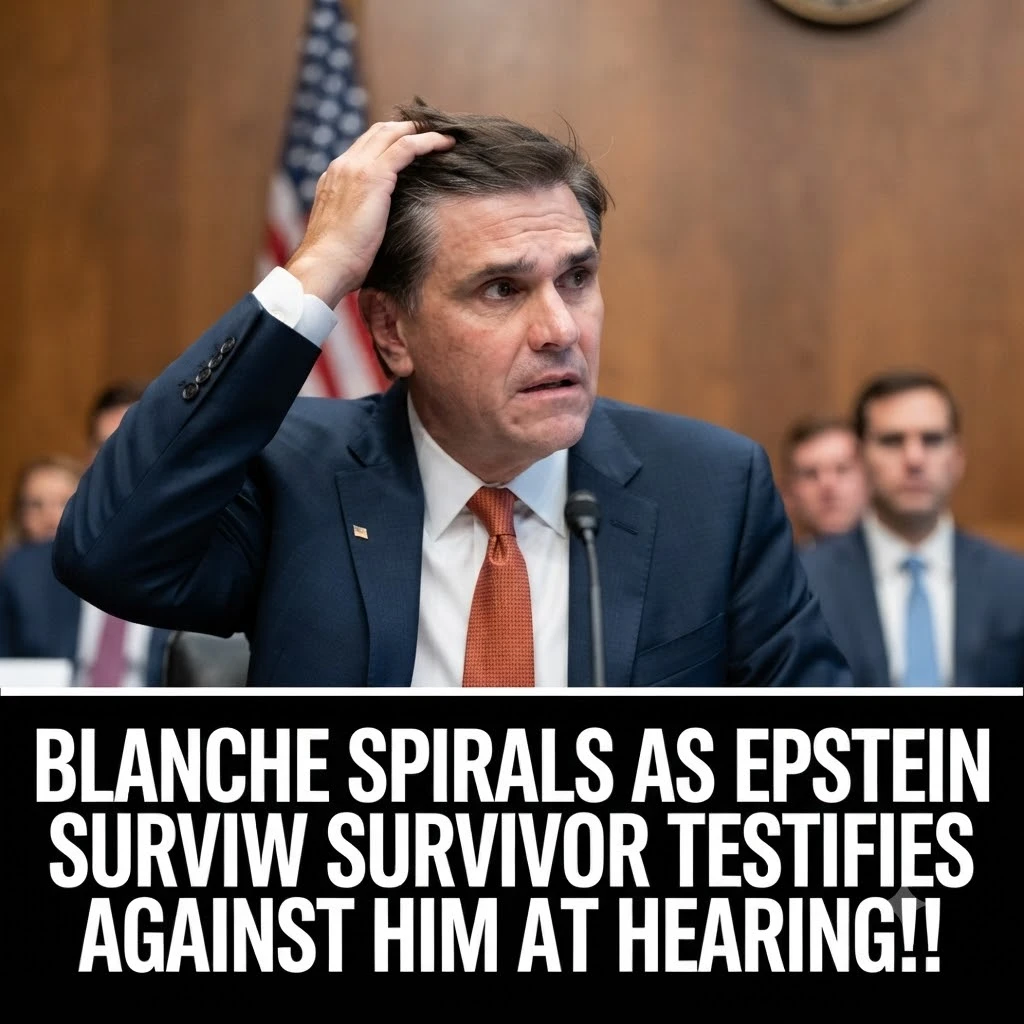
Epstein Survivors Confront Attorney General Nominee in Tense Senate Hearing
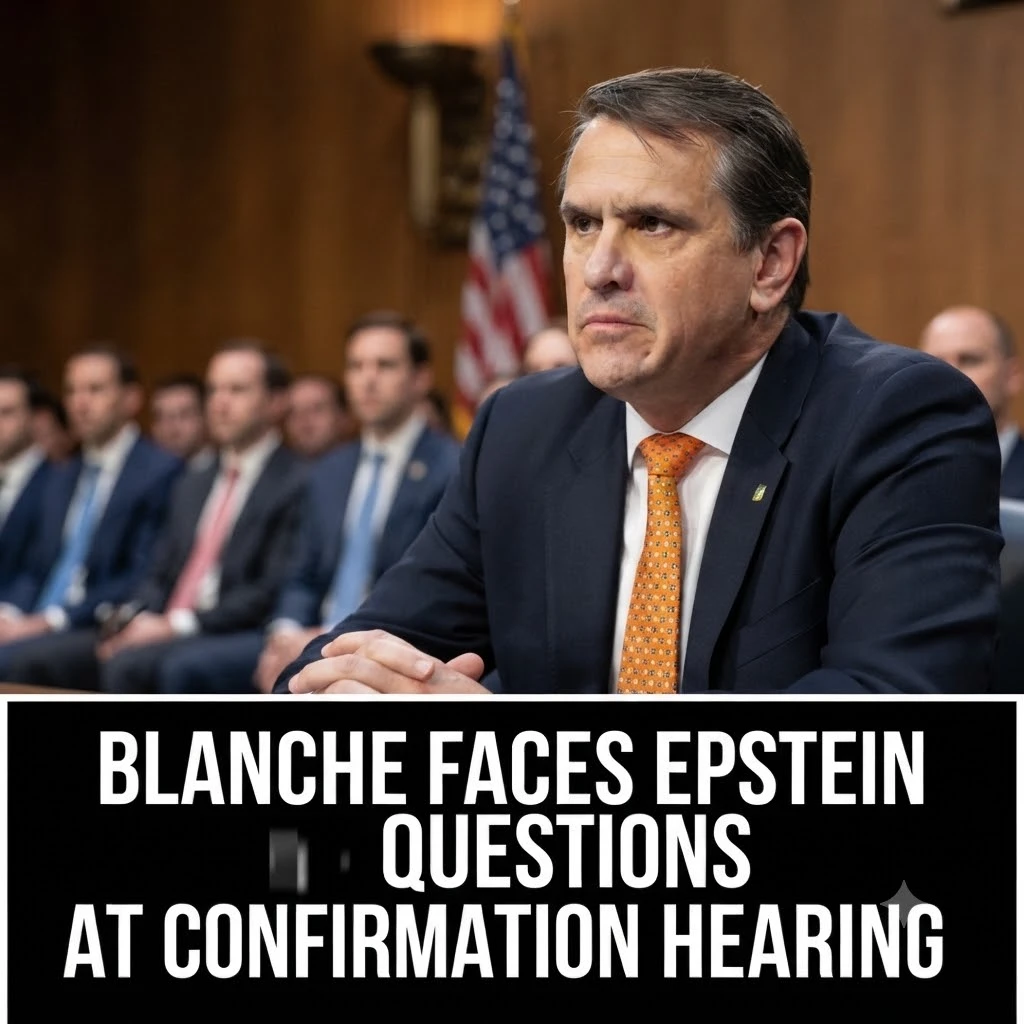
A Senate confirmation hearing intended to evaluate Todd Blanche’s nomination for Attorney General quickly evolved into an emotionally charged examination of accountability, transparency, and the federal government’s handling of the Jeffrey Epstein investigation.
The atmosphere inside the hearing room shifted the moment observers noticed a group of Epstein survivors seated only a few rows behind the witness table. Their silent presence became one of the most powerful moments of the proceedings, reminding senators that the controversy extends far beyond legal arguments.
Senator Dick Durbin placed that reality at the center of his questioning. Rather than focusing solely on documents or procedural disputes, he asked Blanche to make a straightforward commitment: personally meet with the survivors within the next 30 days and hear their experiences firsthand.

The request appeared simple, yet the exchange quickly grew tense. Blanche declined to offer the direct commitment sought by the committee, explaining that many survivors are represented by attorneys, creating legal constraints on private conversations without counsel.
Instead, Blanche proposed an alternative. He said senior officials responsible for the Department of Justice’s human trafficking initiatives could meet with the survivors immediately, arguing that such engagement would ensure their concerns were heard while respecting existing legal obligations.
Durbin remained unconvinced. He argued that responsibility ultimately rests with the individual seeking to become the nation’s chief law enforcement officer, insisting that no delegation could replace direct engagement from the official expected to oversee the remaining investigation.

The hearing then shifted toward another contentious issue—the government’s release of documents connected to Epstein. Lawmakers questioned whether federal authorities had acted promptly or only complied after Congress enacted legislation specifically requiring greater transparency.
Blanche firmly rejected accusations that the Department of Justice deliberately withheld records. He maintained that existing federal laws restricted the immediate release of certain materials and argued the department complied once new legal authority permitted broader disclosure.
Those explanations, however, did little to quiet criticism. Several legal challenges continue to question whether all relevant records have been produced, with ongoing disputes surrounding foreign-language materials, investigative evidence, and other documents that critics believe remain unavailable.

Additional scrutiny emerged over Blanche’s broader handling of matters connected to the Epstein investigation. Previous judicial criticism and ongoing disciplinary questions have intensified debate over whether his past decisions demonstrate the level of judgment expected from a future attorney general.
The controversy has also expanded beyond paperwork. Questions surrounding Blanche’s reported meeting with convicted sex trafficker Ghislaine Maxwell and her subsequent transfer to a lower-security correctional facility have fueled additional political criticism during the confirmation process.
Yet perhaps the most emotionally compelling testimony came not from senators or legal experts but from survivors themselves. Many have expressed frustration that years after Epstein’s death, they still believe investigators have not fully documented their experiences or exhausted every potential lead.

Several survivors argue that significant evidence remains beyond public view, including surveillance recordings and investigative materials that could shed further light on Epstein’s network and those who may have facilitated or benefited from his crimes.
Their message throughout the hearing was unmistakable: accountability requires more than releasing selected files. They contend that meaningful justice depends upon listening directly to survivors, conducting comprehensive investigations, and ensuring every credible lead receives careful examination.
As Blanche’s confirmation process moves forward, the hearing underscored how deeply the Epstein investigation continues to resonate within both the legal system and the public conscience. For senators weighing his nomination, the questions raised were not simply about legal procedure—they were about trust, transparency, and whether the nation’s top law enforcement official can convincingly demonstrate both independence and compassion in one of America’s most scrutinized criminal cases.