Trump Faces Mounting Pressure Over Iran Campaign as Civilian Deaths and Strategic Doubts Fuel Growing Backlash
Mounting civilian casualties, growing strategic uncertainty, and increasingly vocal criticism from across the political spectrum are placing President Donald Trump’s Iran policy under unprecedented scrutiny, as questions intensify over military accountability, diplomatic strategy, and the long-term consequences of renewed conflict.
The latest wave of criticism followed reports that a U.S. Tomahawk missile struck a girls’ elementary school in Manab, Iran, in what local authorities described as one of the deadliest civilian incidents since the current military campaign began.
Iranian officials reported that more than 150 people were killed, including roughly 120 children, figures that have not been independently verified. Nevertheless, the allegations have sparked widespread international concern and renewed demands for a transparent investigation into the strike.

When questioned about whether the administration would publicly release the findings of any military investigation, Trump declined to offer a definitive commitment. Instead, he suggested that the circumstances surrounding the incident might never be fully understood because of the confusion inherent in active combat.
Describing the battlefield as consumed by the “fog of war,” the president argued that missiles had been flying in multiple directions during the operation. His remarks, however, have done little to quiet growing demands for a detailed public accounting.
Military analysts and former national security officials argue that identifying responsibility should not be impossible. They point to the limited number of countries operating Tomahawk cruise missiles and maintain that modern battlefield intelligence is capable of reconstructing the sequence of events with considerable precision.

Critics have also renewed attention on previous decisions to dismantle the Pentagon’s Civilian Protection Center, a bipartisan initiative created to reduce civilian harm and improve military planning. Opponents argue the loss of that capability weakened safeguards designed to prevent precisely these kinds of tragedies.
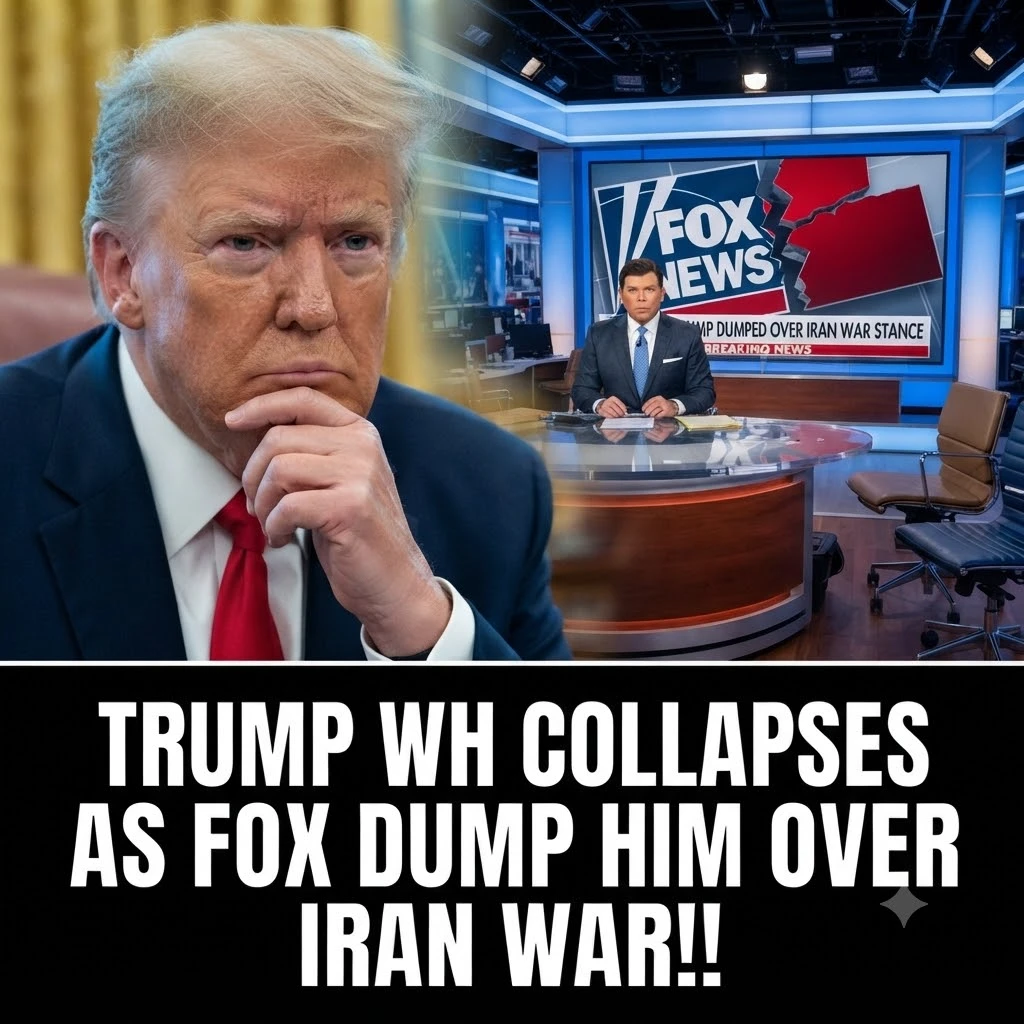
Political pressure is no longer coming exclusively from Democratic lawmakers or foreign governments. Conservative commentators and media figures who have traditionally supported Trump are increasingly questioning both the direction of the conflict and the administration’s broader strategic objectives.
Many have warned that a significant portion of Trump’s political coalition strongly opposed prolonged military involvement in the Middle East, viewing his earlier promises to avoid so-called “forever wars” as a defining reason for their continued support.

Questions have also emerged over what constitutes success in the current campaign. Analysts have struggled to identify clear strategic gains, while some conservative voices argue that shifting military objectives have made it increasingly difficult to define either victory or a realistic exit strategy.
Retired military officers contributing to conservative policy discussions have described the current approach as uncertain and reactive, suggesting Washington appears to alternate between military escalation, diplomatic overtures, operational pauses, and declarations of progress without an overarching strategic framework.
Economic concerns have further complicated the political landscape. Recent signs of moderating inflation briefly encouraged financial markets, but analysts now warn that renewed instability in the Middle East could quickly reverse those gains through higher energy prices and increased transportation costs.

The administration has also faced criticism over its increasingly unilateral approach to regional security. Trump’s assertion that the United States does not require allied assistance to safeguard key maritime routes has prompted questions about coalition-building and long-term diplomatic relationships.
With civilian casualty allegations, strategic uncertainty, economic risks, and widening political criticism converging simultaneously, the administration finds itself confronting one of its most challenging foreign policy tests. As pressure continues to build at home and abroad, calls for greater transparency and a clearly defined strategy are only expected to intensify.