Trump DOJ’s Subpoenas to Elite Law Firms Ignite New Battle Over Power, Pressure, and the Rule of Law
A new confrontation between the Justice Department and some of America’s most influential law firms is reshaping an already volatile legal landscape, raising profound questions about political pressure, professional independence, and the limits of executive power in the United States.
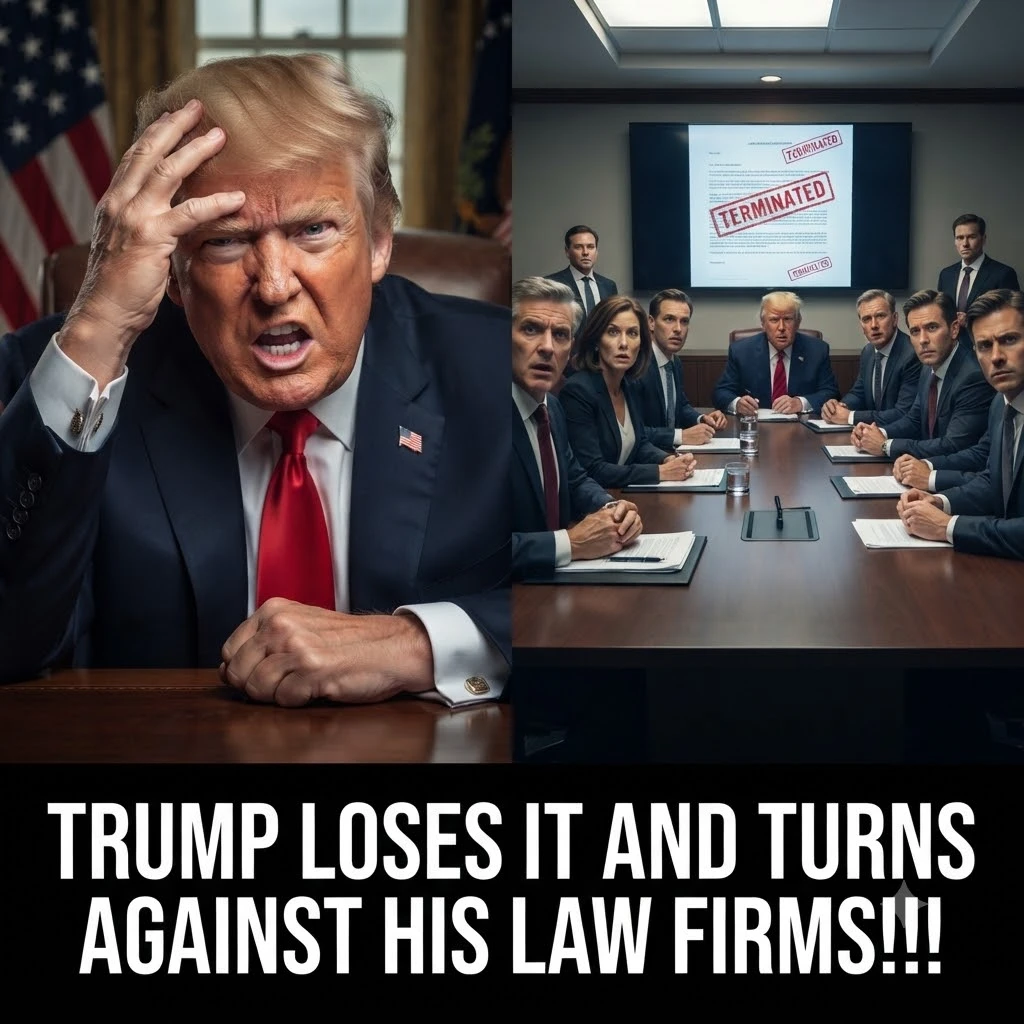
The dispute centers on a series of subpoenas reportedly issued to senior leaders of prominent corporate law firms that previously reached agreements with Donald Trump’s administration after facing political and legal pressure during earlier confrontations.
Those agreements became some of the legal profession’s most controversial decisions. Rather than risk prolonged battles with the federal government, several firms committed to providing substantial amounts of pro bono legal work, hoping to resolve disputes and avoid further escalation.

At the time, supporters described the settlements as pragmatic efforts to protect clients, employees, and institutional stability. Critics, however, argued that the agreements represented dangerous concessions that rewarded political intimidation while weakening confidence in the legal profession’s independence.
The consequences were felt well beyond the courtroom. Reports of internal divisions spread rapidly as associates and partners openly questioned their firms’ leadership, with some prominent lawyers choosing to resign rather than remain associated with decisions they viewed as compromising fundamental professional principles.
Not every firm followed the same path. Several major legal practices chose instead to challenge the administration in federal court, successfully arguing that the demands directed toward them lacked constitutional justification and amounted to unlawful government coercion.

Now the controversy has entered a new phase. Justice Department subpoenas reportedly require the presidents and managing partners of multiple leading firms to produce communications involving several high-profile political figures associated with Trump’s inner circle.
Among the requested materials are exchanges involving Boris Epshteyn and Steve Bannon, two figures who have remained closely connected to Trump’s political and legal operations. In addition to producing documents, several firm leaders have reportedly been ordered to appear for sworn depositions.
The list of firms affected includes some of the most recognizable names in American corporate law, extending the dispute into institutions that traditionally occupy influential positions in finance, mergers, constitutional litigation, and major commercial disputes.

Legal observers believe the subpoenas represent more than routine investigative requests. Instead, they are increasingly being interpreted as part of a broader political struggle involving the American Bar Association and ongoing litigation challenging actions taken by the administration.
The ABA has pursued legal action seeking information connected to several Trump advisers, placing the organization on a direct collision course with federal authorities. Some analysts argue the subpoenas may increase pressure on firms capable of influencing broader legal institutions.
Others suggest the strategy reflects a more personal dimension. Rather than focusing exclusively on obtaining evidence, critics argue the proceedings also compel some of the country’s most influential legal leaders to publicly defend decisions that have already generated significant reputational damage.

For many within the legal profession, the episode has revived an uncomfortable lesson from earlier confrontations. Attempts to resolve disputes quietly through negotiated accommodations, they argue, did not end the conflict but instead exposed participating firms to continued scrutiny and renewed legal pressure.
The debate has therefore shifted beyond individual subpoenas toward a broader discussion about institutional resilience. Attorneys across the country are increasingly questioning how major firms should respond when government authority and professional independence appear to collide.
As depositions and legal challenges move forward, the outcome could shape not only the future relationship between government and the legal profession but also public confidence in whether powerful institutions can preserve their independence when confronted by sustained political pressure.