Trump and Iraqi Prime Minister Hold High-Stakes Oval Office Talks as Regional Security Dominates Agenda
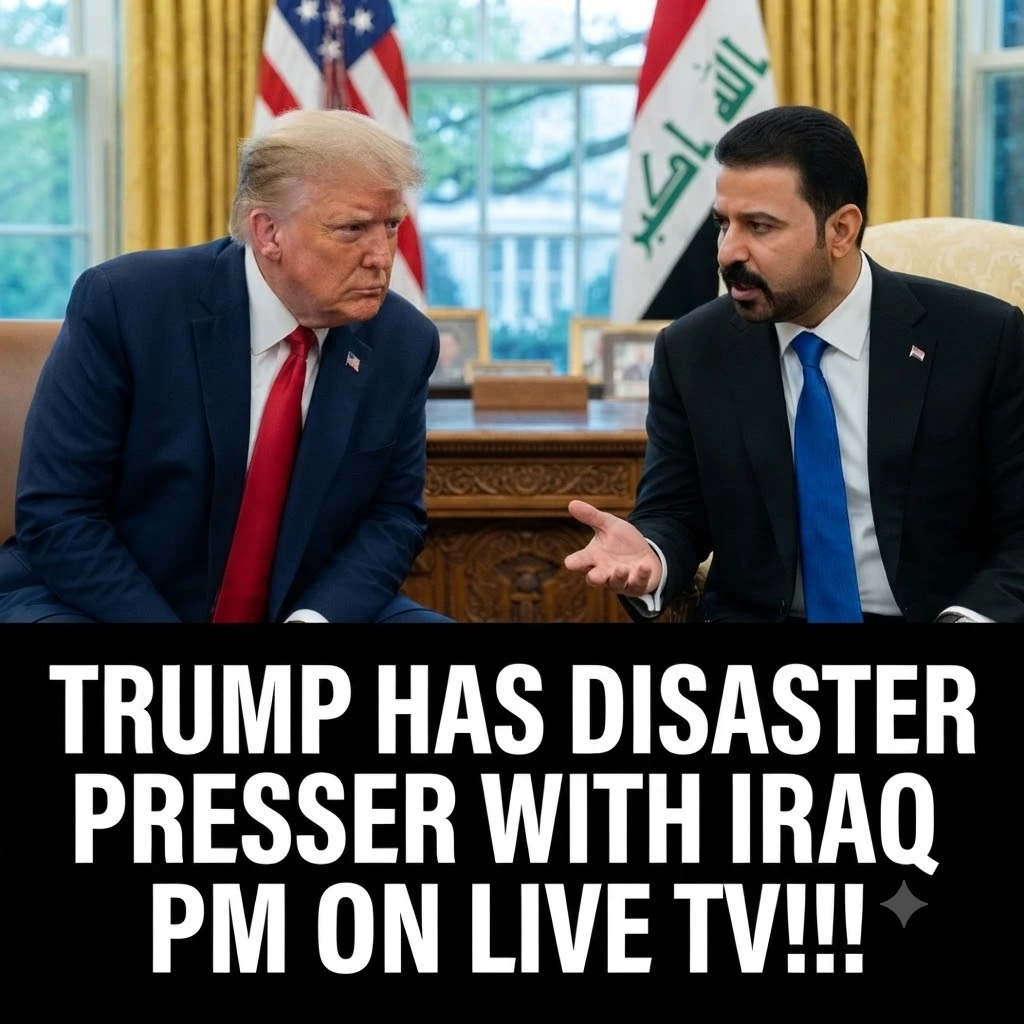
An Oval Office meeting between President Donald Trump and the Prime Minister of Iraq drew widespread attention as the two leaders addressed regional security, economic cooperation, and the increasingly complex geopolitical landscape confronting the Middle East.
The visit came at a particularly sensitive moment, with tensions between the United States and Iran remaining elevated and policymakers closely monitoring developments that could affect regional stability, global energy markets, and diplomatic relations across the Gulf.
Opening the meeting, President Trump welcomed the Iraqi leader with warm personal remarks before shifting the discussion toward economic opportunities. He emphasized Iraq’s energy sector and expressed optimism about expanding commercial cooperation involving American companies.

Energy quickly emerged as one of the central themes of the discussion. Trump argued that closer economic ties could strengthen bilateral relations while supporting Iraq’s long-term development and creating additional opportunities for private-sector investment.
Questions from reporters soon shifted toward regional security, particularly Washington’s strategy regarding Iran. Trump’s response touched on several interconnected issues, including regional partnerships, economic interests, and broader security considerations affecting neighboring countries.
The exchange generated considerable discussion among political observers, illustrating how conversations about Iraq and Iran often overlap because of the countries’ geographic proximity and interconnected security challenges throughout the wider Middle East.

One of the meeting’s most closely watched moments came when Trump reflected on the 2020 U.S. operation that killed Iranian General Qasem Soleimani, an event that also resulted in the death of Iraqi militia leader Abu Mahdi al-Muhandis.
Recalling the operation, Trump asked whether the strike had ultimately benefited Iraq, acknowledging that opinions on the issue could differ. The Iraqi prime minister responded cautiously, emphasizing his preference to focus on future cooperation rather than revisiting past conflicts.
Diplomatic analysts noted that the response reflected Iraq’s longstanding effort to balance relationships with multiple regional powers while avoiding becoming the focal point of broader geopolitical rivalries involving Washington and Tehran.

The conversation also turned briefly toward domestic political matters after Trump was asked about reports concerning FBI activity related to the late Senator Lindsey Graham. The president dismissed speculation surrounding the matter and declined to elaborate further.
Economic issues featured prominently throughout the press conference as well. Trump pointed to recent inflation figures as evidence that his administration’s policies were producing positive results despite continuing uncertainty in international energy markets.
He also discussed maritime security in the Strait of Hormuz, indicating that economic agreements and expanded investment partnerships with Gulf nations could provide an alternative approach to earlier proposals involving commercial shipping through the region.
The president described recent discussions with NATO allies in notably positive terms, portraying the summit as evidence of strengthened cooperation among partner nations despite continuing security challenges facing Europe and the Middle East.
Political commentators quickly analyzed the meeting from sharply different perspectives. Supporters highlighted opportunities for closer economic engagement with Iraq, while critics questioned several aspects of the administration’s messaging on foreign policy and regional strategy.
Regardless of those differing interpretations, the meeting underscored the continuing importance of Iraq within American foreign policy. As conflicts, energy security, and regional diplomacy remain deeply interconnected, every high-level exchange carries implications extending well beyond the walls of the Oval Office.