Middle East on the Brink: U.S.–Iran Confrontation Threatens Global Shipping and Energy Markets
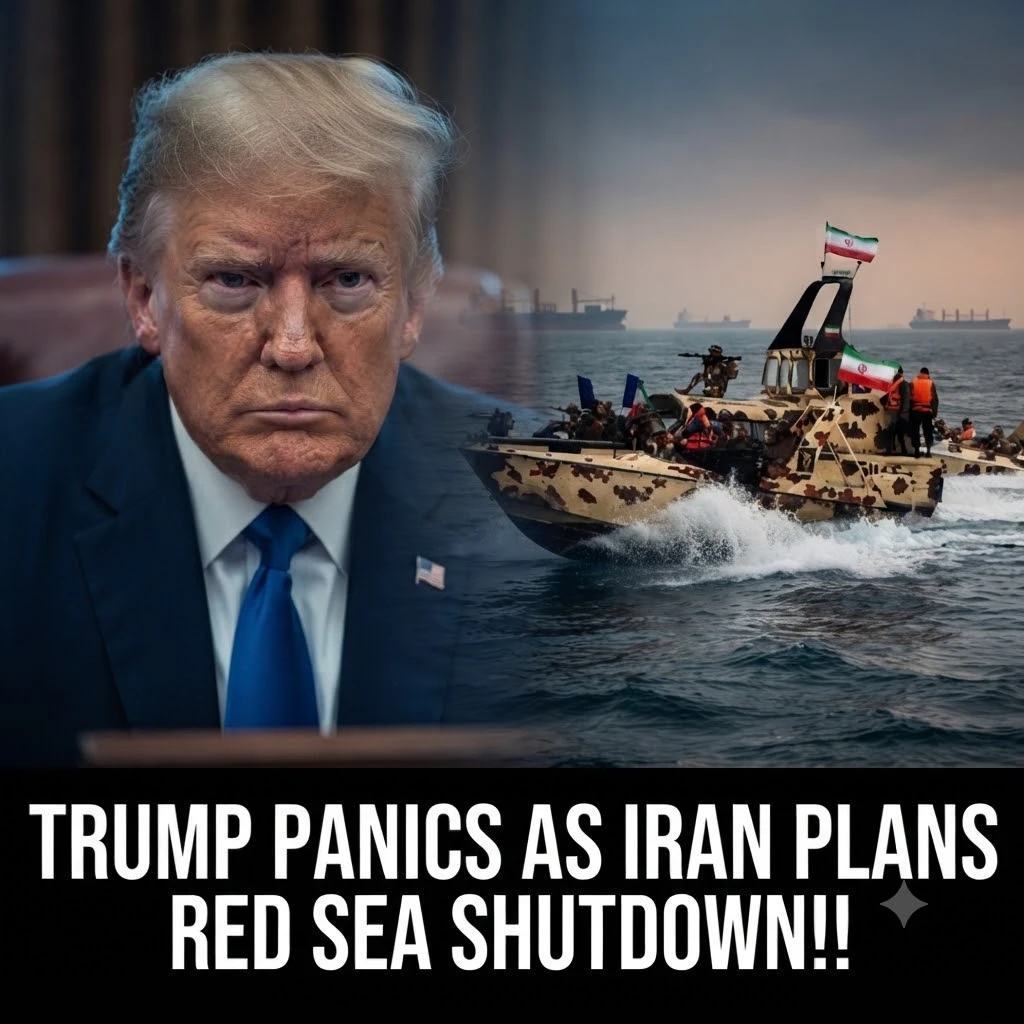
Tensions across the Middle East have reached one of their most dangerous moments in years, as military confrontation between the United States and Iran expands beyond direct strikes and begins threatening some of the world’s most critical maritime trade routes. Diplomacy appears increasingly distant while the risk of regional escalation grows by the hour.
Iran’s Islamic Revolutionary Guard Corps has signaled a dramatic shift in strategy by threatening to disrupt shipping through the Bab el-Mandeb Strait, a vital gateway connecting the Red Sea with the Gulf of Aden. The move would place one of global commerce’s busiest maritime arteries under immediate pressure.
The reported plan relies heavily on Tehran’s alliance with Yemen’s Houthi movement, which has repeatedly demonstrated its ability to target commercial shipping and naval vessels. Coordinated attacks in the Red Sea could dramatically increase insurance costs, delay cargo movements, and disrupt international supply chains.

The latest threats follow mounting pressure surrounding the Strait of Hormuz, where commercial traffic has already suffered severe disruption. With one of the world’s most important energy corridors facing unprecedented instability, governments and energy markets are watching every military development with growing concern.
Inside Washington, the White House has reportedly convened an emergency meeting in the Situation Room to examine options for a significantly broader military campaign. Officials are said to be weighing responses designed not only to weaken Iran’s military capabilities but also to intensify economic pressure.
Among the proposals reportedly discussed are strikes against key civilian infrastructure, including electricity networks, transportation links, and desalination facilities that provide fresh water for millions. Such targets would represent a dramatic expansion of the conflict, carrying profound humanitarian and geopolitical consequences.

President Donald Trump has continued to project confidence that diplomatic leverage remains on Washington’s side. In a television interview, he claimed American representatives had recently communicated with Iranian officials, insisting Tehran was eager to reach an agreement rather than face continued military pressure.
Iranian leaders have responded with outright rejection. Senior officials dismissed suggestions that Tehran had sought negotiations, arguing that no meaningful dialogue could occur while military operations and economic sanctions continued. They instead accused Washington of attempting to negotiate through intimidation rather than diplomacy.
Meanwhile, fighting on the ground has intensified. Reports indicate that recent American airstrikes in southeastern Iran resulted in multiple fatalities and injuries, further inflaming public anger and strengthening calls within Iran for a more forceful military response against U.S. interests across the region.

Iran’s retaliation has reportedly extended well beyond its own borders. Military installations associated with the United States in Kuwait, Bahrain, Jordan, and Qatar have allegedly come under attack from drones and ballistic missiles, with several command facilities reportedly sustaining significant operational damage.
At sea, the confrontation has entered an even more alarming phase. Iranian forces are said to have shifted from deploying drones to using cruise missiles against commercial tankers operating near the Strait of Hormuz, with multiple vessels reportedly sunk or seriously damaged within a single week.
These developments have transformed maritime security into one of the conflict’s most immediate concerns. Shipping companies now face mounting uncertainty as they reconsider routes through waters that have become increasingly vulnerable to missile attacks and potential naval confrontation.

The economic consequences are already rippling across global markets. Traffic through the Strait of Hormuz has reportedly collapsed by more than ninety percent, sharply reducing the movement of crude oil and refined petroleum products toward Europe and Asia.
Energy traders have reacted swiftly. Brent crude prices have surged beyond 80 dollars per barrel and are moving toward the 90-dollar threshold, reflecting growing fears that prolonged disruption could significantly tighten global oil supplies during an already fragile economic period.

Perhaps the clearest warning has emerged from refining markets, where the widely watched 3-2-1 crack spread has climbed to extraordinary levels. The sharp increase suggests refiners anticipate severe shortages of transportation fuels, particularly diesel, raising concerns about inflation and industrial disruption worldwide.
With military operations intensifying, diplomatic channels narrowing, and vital shipping lanes increasingly exposed, the crisis has evolved into far more than a regional confrontation. Decisions made in Washington and Tehran over the coming days may shape not only Middle Eastern security but also the stability of the global economy.