JD Vance’s Candid Remarks Fuel Fresh Questions About Unity Inside the Trump Administration
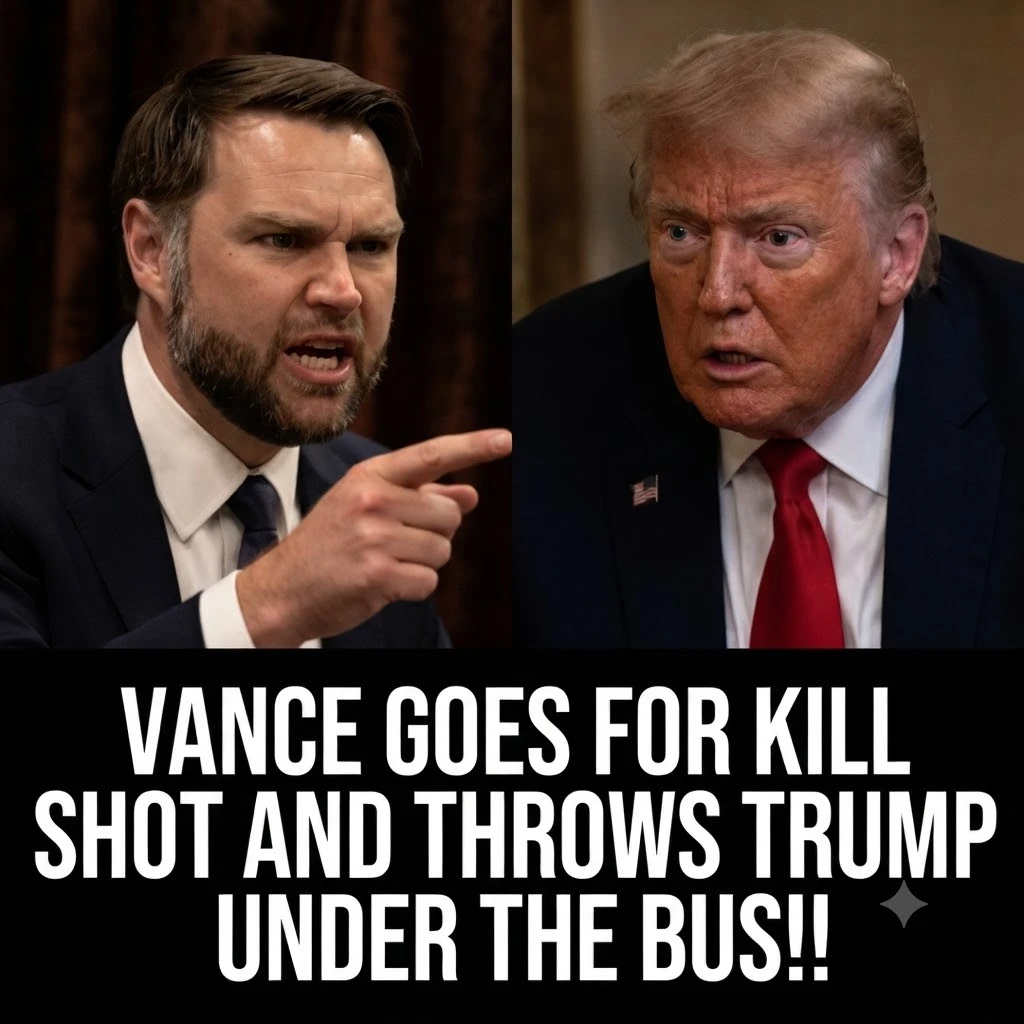
Vice President JD Vance has sparked renewed debate over the direction of the Trump administration after offering a series of unusually candid remarks on foreign policy, artificial intelligence, and the handling of the Jeffrey Epstein files, exposing differences that have quickly drawn national attention.
The comments have intensified speculation about whether competing voices are emerging within the administration at a time when international tensions, domestic political challenges, and growing scrutiny over executive decision-making continue to shape the national conversation.
Among the most closely watched remarks were Vance’s reflections on the government’s handling of records connected to convicted sex offender Jeffrey Epstein. He acknowledged that the administration’s approach to releasing the material had been flawed from the outset.

According to Vance, a more transparent strategy should have been adopted immediately rather than allowing uncertainty and public speculation to build over time. His comments represented one of the clearest acknowledgments from a senior administration official that the rollout had failed to meet expectations.
Vance also suggested that he believes Epstein became the subject of a broader compromise or influence operation, though he offered no public evidence to support that assessment. The statement nevertheless added another layer to continuing public interest surrounding the long-running case.
Foreign policy emerged as another area where Vance appeared to distinguish his views. While reaffirming support for American national security interests, he argued that military force alone cannot provide lasting solutions to complex international crises.

Addressing tensions with Iran, Vance emphasized that the United States should avoid open-ended military campaigns and made clear that he does not support deploying American ground troops into the country, instead describing diplomacy as an indispensable element of long-term strategy.
He also challenged the view that negotiations with Iran should be ruled out entirely, arguing that diplomacy remains an essential instrument even when dealing with governments whose policies sharply conflict with those of the United States and its allies.
Beyond foreign affairs, Vance reflected on the Republican Party’s broader political image, suggesting it continues to struggle with attracting influential figures from entertainment, popular culture, and other high-profile public spheres compared with its Democratic rivals.

Technology policy provided another unexpected point of discussion. Vance warned that rapid advances in artificial intelligence could generate extraordinary economic wealth while simultaneously widening inequality if the benefits become concentrated among only a small number of companies and individuals.
He argued that failing to address those disparities could eventually produce profound political and economic consequences, urging policymakers to consider how future prosperity might be distributed more broadly across American society as AI continues transforming the economy.
Turning to domestic politics, Vance reaffirmed that the administration would respect the outcome of the upcoming midterm elections regardless of which party ultimately prevails, seeking to reassure voters about confidence in the democratic process.

At the same time, reports concerning logistical demands placed on the Secret Service have generated additional attention. According to accounts circulating within Washington, some agents have expressed frustration over frequent transportation requests involving military aircraft and extensive security arrangements.
Although such reports remain separate from policy debates, they have contributed to wider discussion about internal operations within the vice president’s office and the practical challenges of balancing official responsibilities with personal travel requirements.
Taken together, Vance’s remarks have offered an unusually revealing glimpse into debates unfolding inside the administration. Whether they represent isolated differences of emphasis or the emergence of deeper policy divisions may become clearer as the administration confronts increasingly complex domestic and international challenges.