A Planet Running Out of Breath: Record Heat, Political Inaction, and the Race Against Climate Collapse
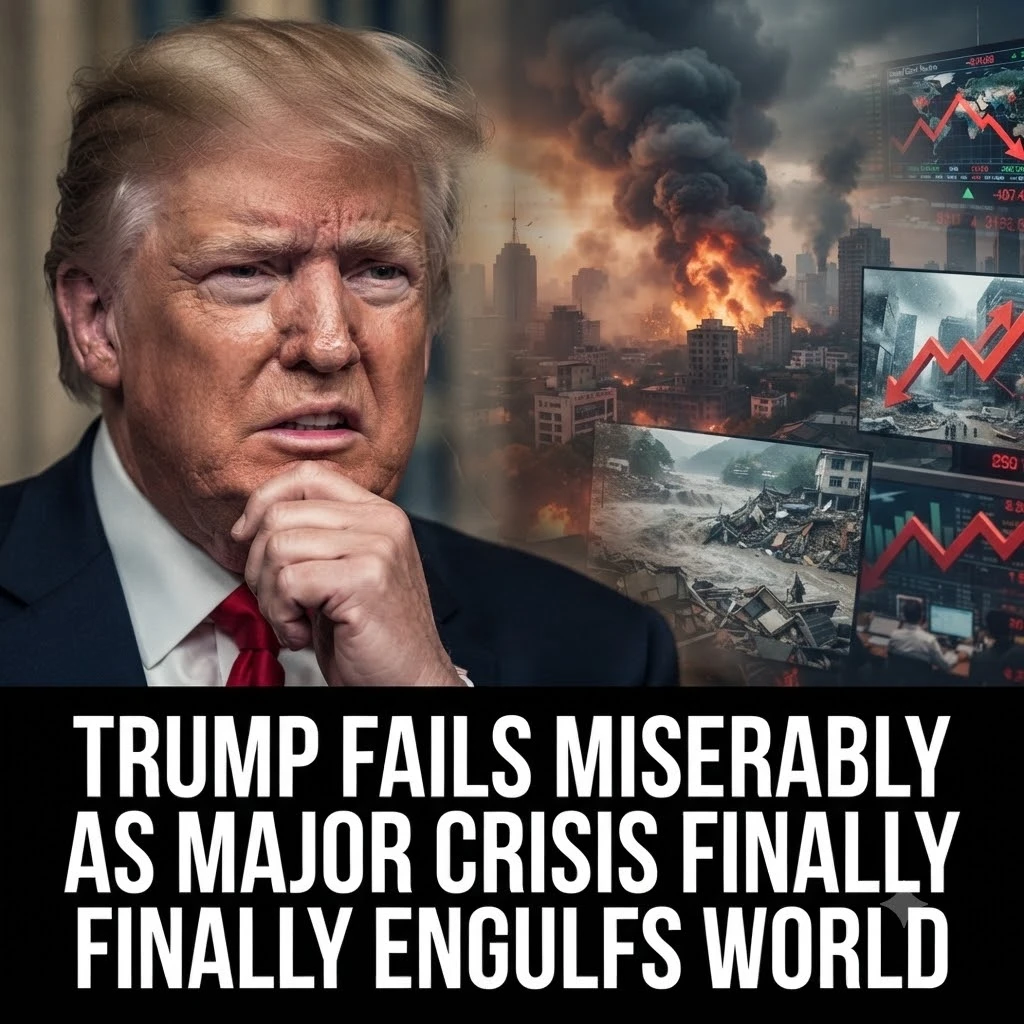
The world’s climate emergency is no longer a distant warning confined to scientific journals. It is unfolding in real time, reshaping daily life from North America to Europe, where relentless heatwaves are testing the limits of infrastructure, public health systems, and political leadership.
Across the eastern United States, communities have endured prolonged periods of dangerous temperatures, while Western Europe has struggled through one of its most punishing summers on record. Hospitals have faced mounting pressure as emergency rooms filled with patients suffering from heat-related illnesses and dehydration.
Spain has reported hundreds of heat-related deaths during recent extreme weather events, while France has witnessed tragic drownings as people sought relief in rivers and lakes. Medical professionals warn these incidents are no longer isolated tragedies but symptoms of a rapidly changing climate.

Scientists increasingly argue that such events should not be viewed as anomalies. Earth is now experiencing some of the highest average temperatures recorded in modern history, with extreme heatwaves becoming dramatically more frequent than they were only a few decades ago.
Climate researchers estimate that heatwaves of the intensity now striking Europe are roughly one hundred times more likely because of human-driven global warming. The consequences extend beyond discomfort, threatening food production, water supplies, economic stability, and public safety across continents.
The outlook remains deeply concerning. Surveys of leading climate scientists suggest many now expect global temperatures to rise by at least 2.5 degrees Celsius before the end of the century, a trajectory associated with widespread displacement, geopolitical instability, resource shortages, and escalating humanitarian crises.

As scientific warnings intensify, renewed attention has focused on the fossil fuel industry. Historical internal research conducted by major oil companies reportedly identified the warming effects of carbon emissions decades ago, predicting temperature increases remarkably close to those now being observed worldwide.
Critics argue that despite possessing early scientific evidence, energy companies continued expanding fossil fuel production while publicly questioning climate science. Meanwhile, the industry generated enormous profits, fueling accusations that financial interests repeatedly outweighed environmental responsibility and long-term public welfare.
Political decisions have also become central to the debate. Environmental advocates accuse the Trump administration of weakening pollution safeguards, scaling back regulatory protections, and approving additional chemical uses that they argue increase long-term risks to ecosystems and human health.

Particular controversy surrounds glyphosate, the active ingredient in Bayer’s Roundup herbicide. Legal battles over the chemical have continued for years, while critics remain alarmed that glyphosate is still being used in some large-scale land management projects despite persistent concerns about potential health and environmental impacts.
Environmental organizations warn that chemicals applied across burned forests and public lands can eventually reach rivers, reservoirs, and drinking water supplies. Although regulators maintain existing approvals are supported by scientific assessments, opponents insist greater caution and independent oversight remain urgently necessary.
For many campaigners, the climate crisis is no longer solely an environmental issue but a defining challenge of governance and accountability. They argue that governments, corporations, financial institutions, and consumers all share responsibility for determining whether current warming trends continue accelerating.

Rather than surrendering to despair, advocacy groups increasingly emphasize practical action. Supporting environmental litigation, reducing dependence on fossil fuel-intensive industries, limiting fast-fashion consumption, adopting more sustainable diets, and investing in local food production are presented as meaningful ways individuals can contribute to broader systemic change.
Ultimately, the most significant decisions may still be made at the ballot box. Climate advocates argue that electoral choices will shape environmental policy for decades, determining whether governments prioritize scientific evidence and long-term sustainability—or continue postponing difficult decisions as the planet grows steadily hotter.