Trump Unveils Hormuz Security Plan as Iran Pushes Back, Raising Fears of a Wider Regional Crisis
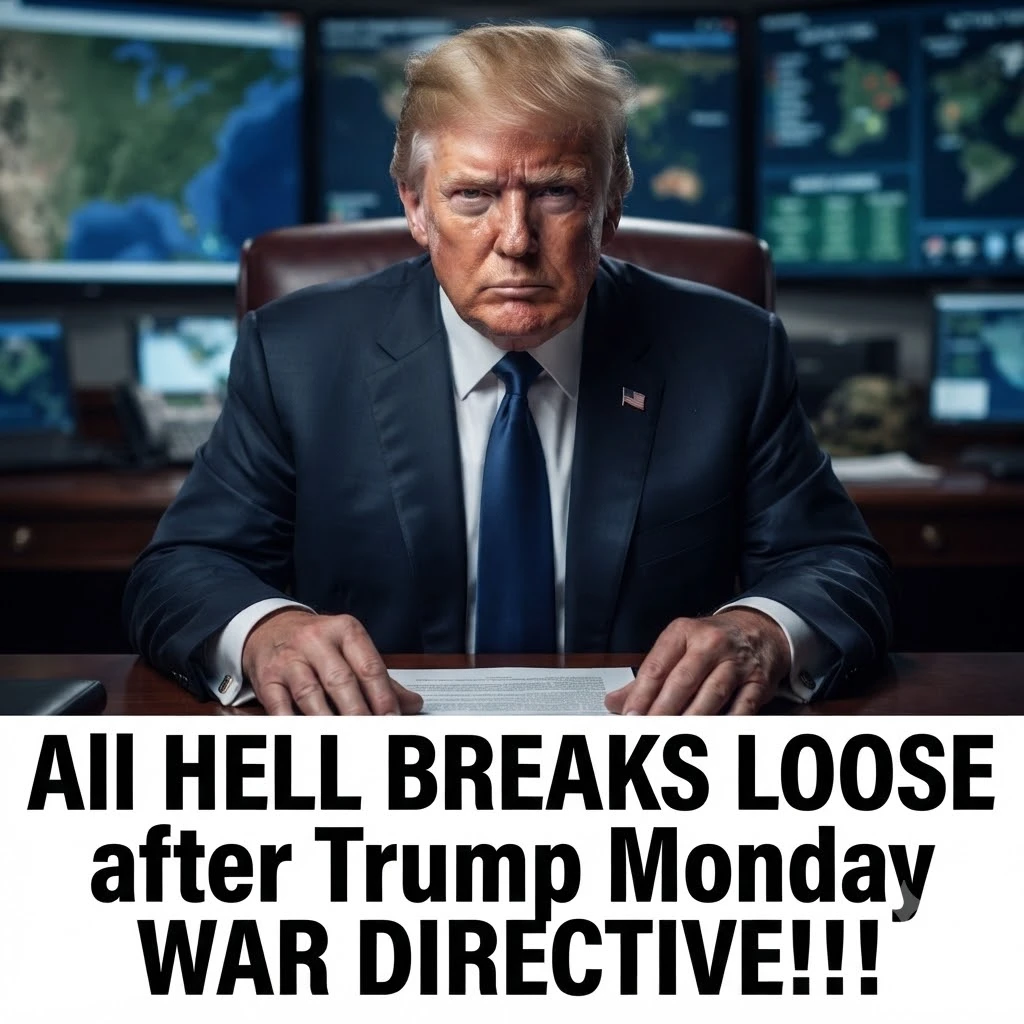
A dramatic escalation in U.S.–Iran tensions has sent shockwaves through global markets and diplomatic circles after President Donald Trump announced a sweeping new security initiative centered on the Strait of Hormuz, one of the world’s most strategically vital maritime chokepoints.
The proposal would place the United States in the role of what Trump described as the “Guardian of the Hormuz Strait,” introducing a 20 percent reimbursement fee on cargo vessels passing through the waterway. According to the administration, the charges would help offset the enormous cost of protecting commercial shipping.
The announcement immediately ignited debate across Washington and among America’s allies. Supporters argue the move would strengthen maritime security against Iranian threats, while critics warn it risks transforming a long-standing regional confrontation into an even broader geopolitical crisis.
Trump further framed the initiative as part of a historic campaign against Tehran, sharing comparisons that portrayed the operation as one of the most successful punitive expeditions in American history. The historical parallels invoked Thomas Jefferson’s campaign against the Barbary pirates, emphasizing strength through decisive military action.

In subsequent remarks, Trump revealed that diplomatic negotiations with Iran had appeared close to success after an eleven-hour meeting. He claimed an agreement had nearly been finalized before Iranian negotiators allegedly returned with last-minute demands that caused the talks to collapse.
Iran responded swiftly and forcefully. The Islamic Revolutionary Guard Corps declared that lasting security in the Strait of Hormuz could only be restored if the United States ended what it called military interference and respected the sovereignty of nations bordering the Persian Gulf.

The confrontation has already begun affecting global commerce. Shipping analysts report a noticeable decline in tanker traffic through the strait, reaching its weakest level in months as operators assess mounting security risks and insurers reevaluate exposure to potential conflict.
Energy markets reacted almost immediately. Oil prices climbed toward the eighty-dollar-per-barrel mark as traders priced in the possibility of prolonged disruption to one of the world’s busiest energy corridors, renewing concerns about supply stability and inflationary pressure.

The economic consequences extend well beyond crude prices. Analysts warn that sustained disruption in Hormuz could place additional strain on strategic fuel reserves while increasing transportation costs, potentially affecting industries and consumers across Europe, North America, and Asia alike.
Meanwhile, the broader Middle East continues showing signs of intensifying instability. Reports emerging from Yemen describe Saudi military strikes targeting an airport runway in an effort to prevent an Iranian aircraft from landing, highlighting the growing overlap between regional conflicts.

Inside the United States, the administration simultaneously unveiled a new military recruitment campaign encouraging Americans to enlist during an increasingly uncertain international environment. The messaging emphasizes readiness and service despite missions that may not always be clearly defined in advance.
Another flashpoint emerged in the legal arena as Senator Marco Rubio intensified criticism of the International Criminal Court. He argued that unelected international institutions should not exercise authority over American interests, renewing calls to reduce the court’s influence on U.S. policy.
The renewed campaign against the ICC arrives as Washington faces heightened international scrutiny over military operations and foreign policy decisions. The debate underscores a broader ideological divide between advocates of national sovereignty and supporters of multilateral legal institutions.
Adding to an already turbulent news cycle, federal authorities are investigating a fatal shooting involving Immigration and Customs Enforcement agents in Maine. Officials have released few details, but the incident has drawn public attention amid ongoing national debates over immigration enforcement.
Taken together, the military announcements, diplomatic breakdowns, economic repercussions, and domestic controversies reflect a rapidly shifting landscape. Whether these developments lead toward renewed negotiations or a deeper confrontation may shape not only the future of U.S.–Iran relations, but also the stability of global trade and international security.