House Republicans Face Internal Divide as Trump Agenda Meets Growing Resistance
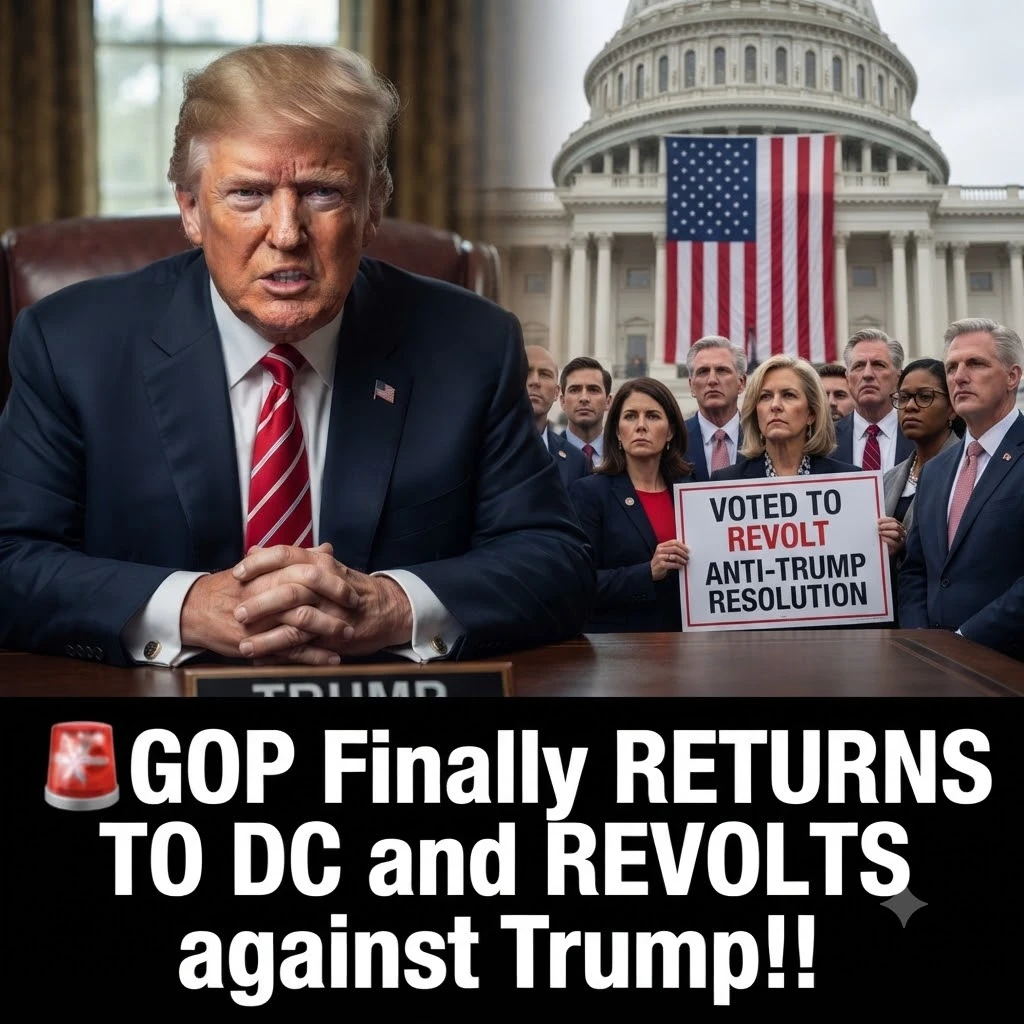
Republican lawmakers returned to Capitol Hill this week confronting a political landscape markedly different from the one they left before recess. Conversations once dominated by symbolic tributes to Donald Trump have increasingly given way to concerns over economic pressures, government spending, and escalating international crises.
Behind closed doors, several proposals celebrating the former president have quietly stalled in committee, reflecting a noticeable shift inside the House Republican conference. Measures that once attracted enthusiastic backing now struggle to secure additional sponsors as members reassess their political priorities.

Among the proposals losing momentum are plans to feature Trump’s portrait on newly issued high-denomination U.S. currency, rename a major international airport in his honor, establish a federal holiday recognizing his birthday, and create a diplomatic award carrying his name.
Republican lawmakers returning from their districts reportedly encountered growing frustration from constituents focused less on symbolic legislation and more on inflation, housing costs, and America’s expanding commitments overseas. Those concerns appear to be reshaping legislative calculations within the party.

Attention has rapidly shifted toward a far more consequential debate unfolding on Capitol Hill. Congressional leaders now face mounting pressure to consider an emergency defense funding package intended to support expanded military operations as tensions abroad continue to intensify.
The proposed legislation carries an enormous financial price tag, raising fresh questions about long-term fiscal priorities at a time when government borrowing remains under intense scrutiny. Fiscal conservatives have begun expressing concern over balancing national security commitments against mounting federal debt.

Complicating negotiations further is a strategy reportedly encouraging lawmakers to combine defense funding with broader domestic legislation. Supporters argue that linking the measures could strengthen political momentum, while critics warn the approach risks delaying urgent decisions on both fronts.
The debate has exposed familiar divisions inside the Republican conference. National security hawks emphasize the importance of maintaining American military readiness, whereas budget-focused conservatives argue that emergency appropriations require greater transparency and stronger fiscal safeguards before advancing.

Housing policy has emerged as another unexpected source of political tension. Republican leaders have highlighted legislation intended to improve affordability and accelerate residential development, presenting the measure as evidence that Congress remains focused on challenges affecting everyday American families.
Yet political observers have noted an unusual twist surrounding the legislation’s path into law. Rather than receiving an enthusiastic presidential endorsement, the measure reportedly advanced through procedural mechanisms after failing to obtain a formal signature during the constitutional review period.
That procedural outcome has complicated efforts to present the bill as a unified Republican achievement. Instead, it has underscored the increasingly complex relationship between congressional leadership and a party base that continues to look toward Trump for political direction.
As lawmakers navigate competing priorities at home and abroad, the weeks ahead are expected to test the Republican conference’s ability to maintain unity. Whether the focus ultimately settles on symbolic politics, national security, or economic relief may determine not only the legislative agenda but also the party’s broader political identity heading into the next chapter of American politics.