Corruption Allegations Shake Washington as Crypto Profits, Stock Trades, and Florida Senate Race Collide
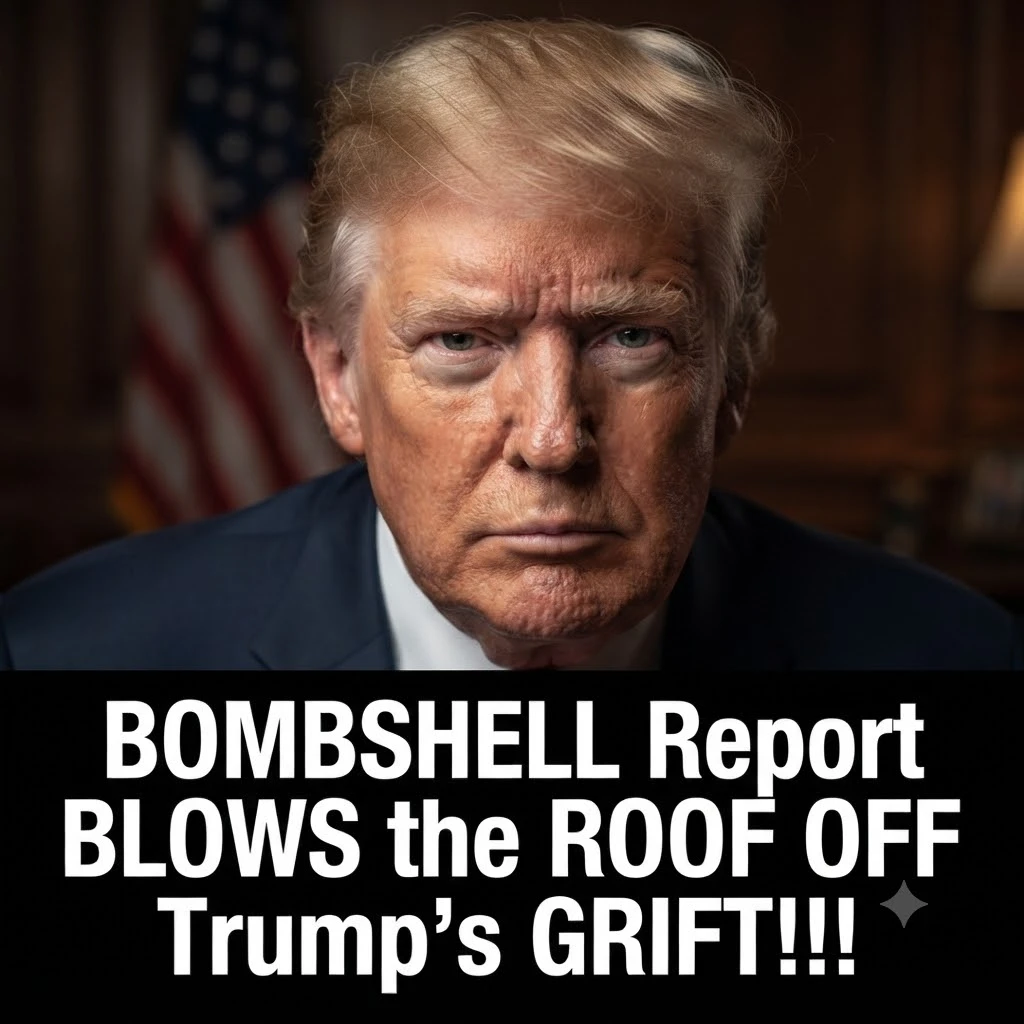
Fresh allegations of financial misconduct are once again dominating America’s political conversation, as questions surrounding cryptocurrency profits, stock market investments, and campaign ethics converge into what could become one of the defining controversies ahead of the 2026 midterm elections.
The latest claims center on the financial activities of President Donald Trump and members of his family, with reports alleging that profits generated through a cryptocurrency venture were subsequently redirected into major publicly traded corporations operating alongside the federal government.

According to the allegations, while thousands of retail investors collectively suffered losses approaching $2 billion, the Trump family’s investment structure allegedly generated comparable gains, creating renewed scrutiny over whether political influence and private financial interests became increasingly intertwined.
Critics argue that the controversy extends beyond cryptocurrency itself. They contend that the reinvestment of those profits into companies maintaining significant commercial relationships with federal agencies raises difficult questions about conflicts of interest and the integrity of public decision-making.

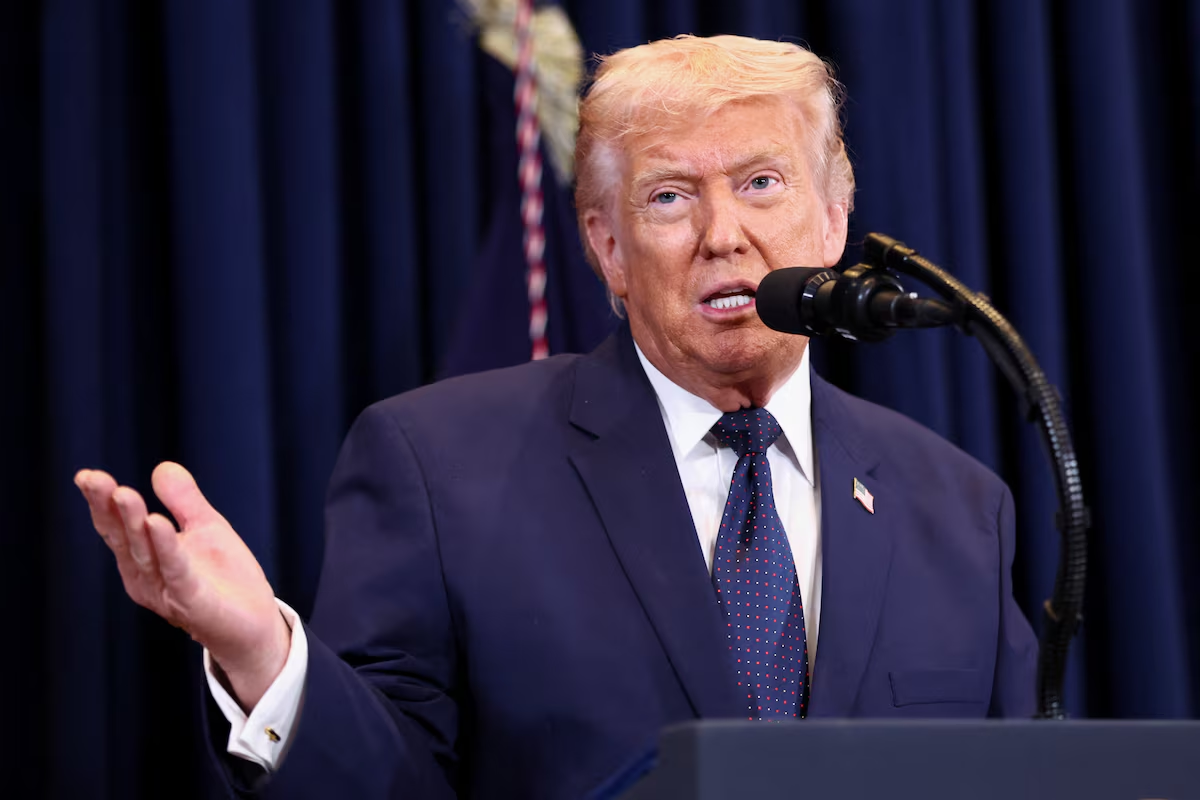
One transaction has drawn particular attention from political observers. After shares were reportedly purchased in technology giant Dell, President Trump publicly praised the company’s products during remarks from the White House, a sequence that quickly attracted widespread scrutiny.
The controversy deepened when the Department of Defense later announced a five-year software contract valued at approximately $9.7 billion involving Dell. The timing has prompted renewed debate over whether government procurement decisions were influenced by overlapping financial interests.

Those concerns intensified further following reports that Dell chief executive Michael Dell pledged billions of dollars toward investment vehicles widely referred to as “Trump accounts,” adding another layer of political controversy surrounding the administration’s financial relationships with major corporations.
The allegations have become a central issue in Florida’s increasingly competitive Senate race. Retired Army Colonel Alex Vindman has launched a campaign challenging incumbent Senator Ashley Moody, presenting government ethics and financial transparency as the defining themes of his candidacy.

Vindman argues that public confidence in elected officials has been steadily eroded by repeated accusations of self-enrichment and insider influence. His campaign has sought to position itself as an alternative centered on accountability rather than partisan loyalty.
Among his most serious accusations are claims that Moody accepted more than one million dollars in campaign support from major insurance companies before approving substantial insurance rate increases affecting homeowners throughout Florida during a period of mounting financial pressure.

He has also criticized her alleged approval of transferring ten million dollars from a children’s health and welfare fund to finance political advertising, describing the decision as prioritizing electoral advantage over essential public services.
Additional allegations focus on more than two million dollars in stock transactions reportedly involving pharmaceutical and technology companies connected to congressional committees under Moody’s oversight, fueling renewed calls for tighter restrictions on lawmakers’ investment activities.

Supporters of the senator have strongly rejected the accusations, maintaining that her public service record reflects responsible leadership and adherence to existing ethics laws. They argue that the campaign has become increasingly driven by politically motivated attacks rather than verified evidence.
Vindman, however, insists his campaign is building momentum through grassroots organizing rather than institutional support. He says hundreds of thousands of small-dollar donations averaging less than forty dollars demonstrate broad backing from Democrats, independents, and even some Republican voters.
Because Moody entered the Senate through appointment rather than statewide election, Vindman argues that she lacks the electoral mandate traditionally enjoyed by incumbent senators, making the upcoming contest unusually competitive despite Florida’s increasingly polarized political environment.
Beyond individual candidates, analysts believe corruption may emerge as one of the most influential issues shaping voter behavior in 2026. Rising living costs and persistent economic uncertainty have heightened public sensitivity toward allegations involving wealth, political influence, and government accountability.
Drawing on his family’s experience as refugees fleeing Soviet rule and his years of military service, Vindman has framed his campaign around what he describes as “critical patriotism”—the belief that genuine love of country requires confronting corruption rather than accepting it as inevitable.