Inside the Storm: The Legal Crisis Surrounding Kash Patel
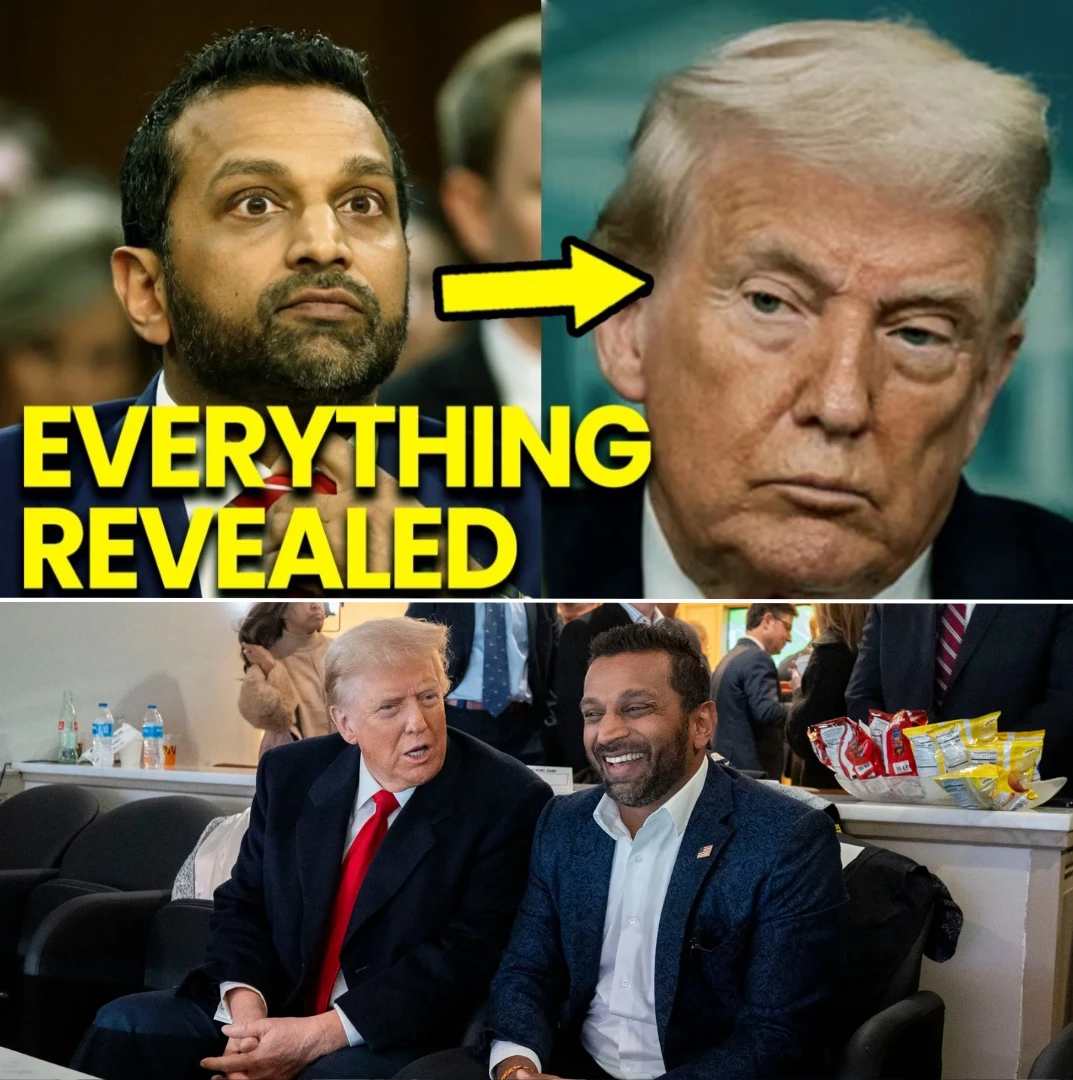
By late March 2026, Washington found itself confronting a different kind of crisis—one centered not on policy, but on the integrity of its institutions. At the heart stood Kash Patel, facing mounting legal pressure.
What began as a dispute over document disclosure quickly escalated. A federal judge ordered Patel to release files linked to the Epstein investigation, warning that continued delay could result in immediate legal consequences, including possible detention.
The stakes rose further with allegations of perjury. Patel was accused of misleading the court regarding compliance with prior rulings, exposing him not only to judicial sanctions but also to potential criminal charges tied to obstruction.
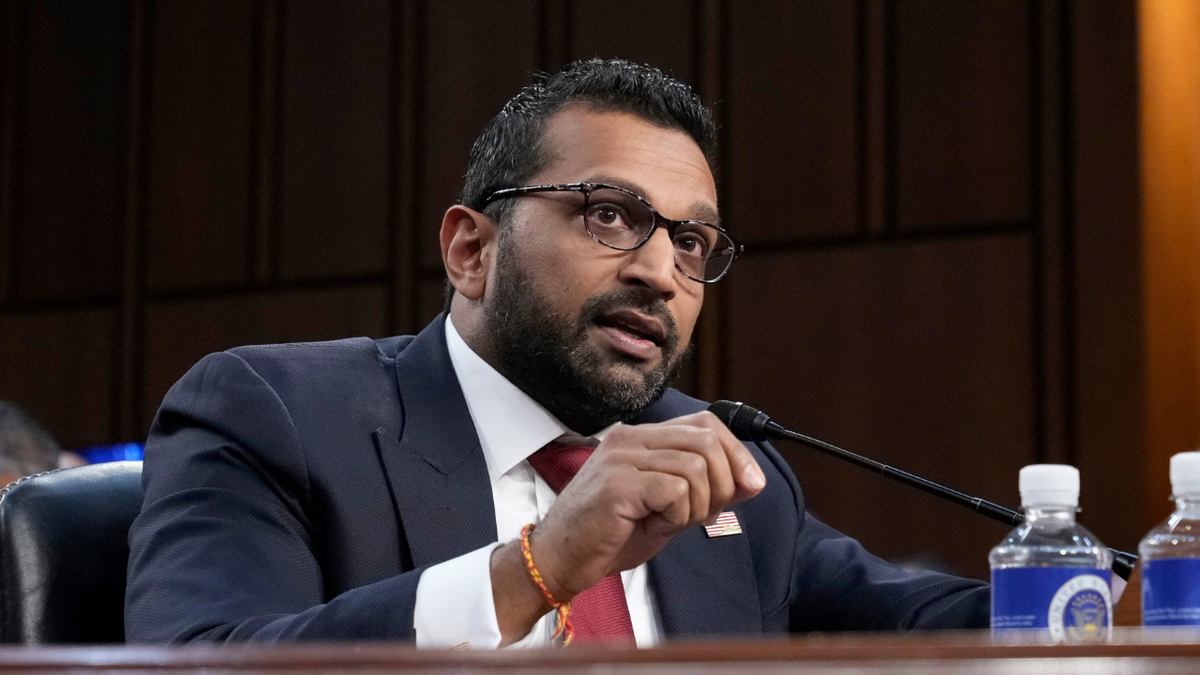
Simultaneously, pressure emerged from within the agency he led. Former FBI officials and agents, dismissed under Patel’s leadership, filed lawsuits challenging their removal, raising serious questions about legality and executive influence over federal law enforcement.
One detail proved particularly striking. Legal filings suggested Patel may have acknowledged concerns about the legality of those dismissals, yet proceeded regardless—reportedly citing directives originating beyond the bureau itself.
The controversy deepened with the revelation that several dismissed agents had been involved in sensitive investigations. Among them was a probe informally referred to as “Arctic Frost,” reportedly examining matters connected to Donald Trump.
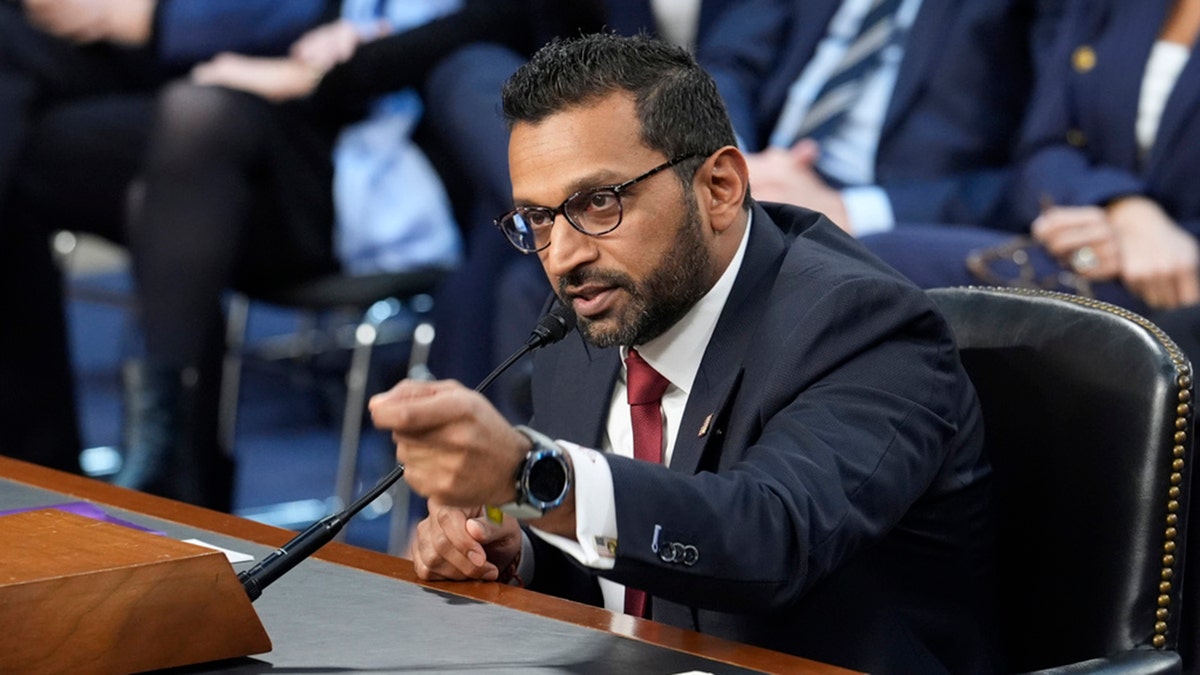
Inside the FBI, the atmosphere reportedly shifted. A congressional report described an organization gripped by “fear and paralysis,” where agents hesitated to pursue certain lines of inquiry amid concerns about professional repercussions.
Operational priorities also appeared to change. A significant portion of investigative resources was redirected away from areas such as counterterrorism and serious crime, toward supporting immigration enforcement activities, altering the bureau’s traditional focus.
For observers, the implications extended beyond individual cases. The situation raised broader concerns about whether institutional independence could withstand sustained political and legal pressure during a period of heightened national tension.
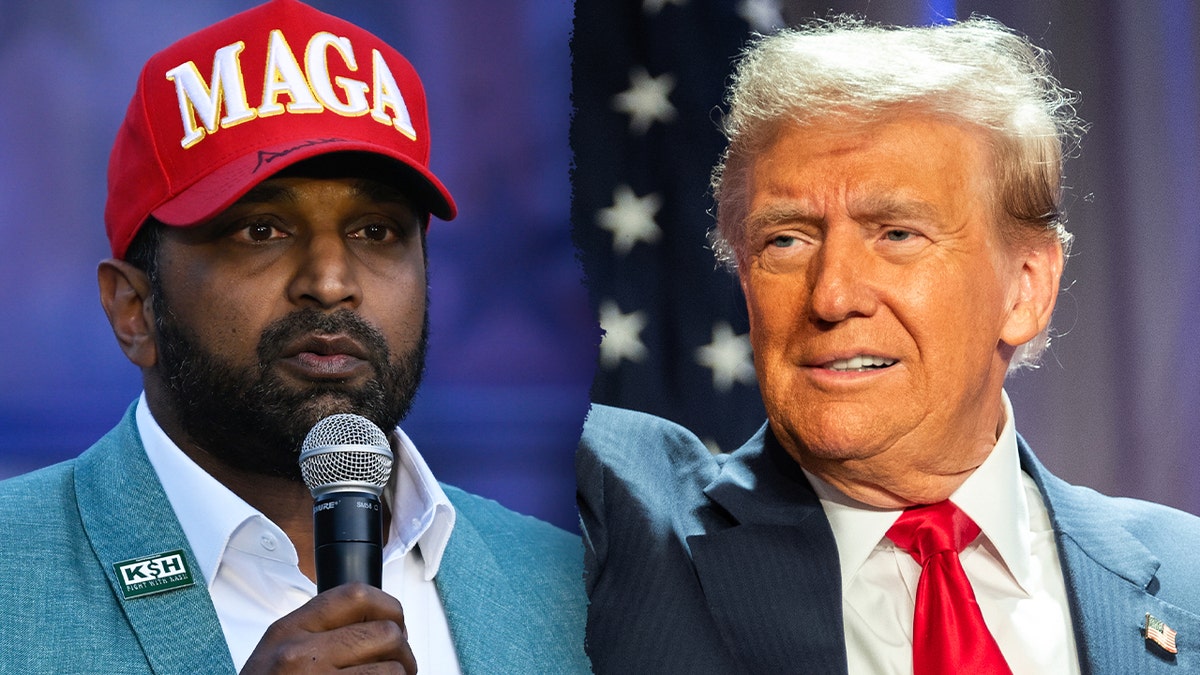
At the same time, the controversy created a complex dilemma for Donald Trump. Supporting Patel risked deeper legal entanglement, while distancing himself could trigger unpredictable consequences from a key ally.
This delicate balance underscored the interconnected nature of the unfolding crisis. Decisions taken at one level appeared to ripple outward, influencing legal strategies, political calculations, and institutional credibility simultaneously.
As investigations expanded, the focus shifted toward accountability. Courts, lawmakers, and legal experts began examining not only specific actions, but the broader framework governing authority within federal agencies.
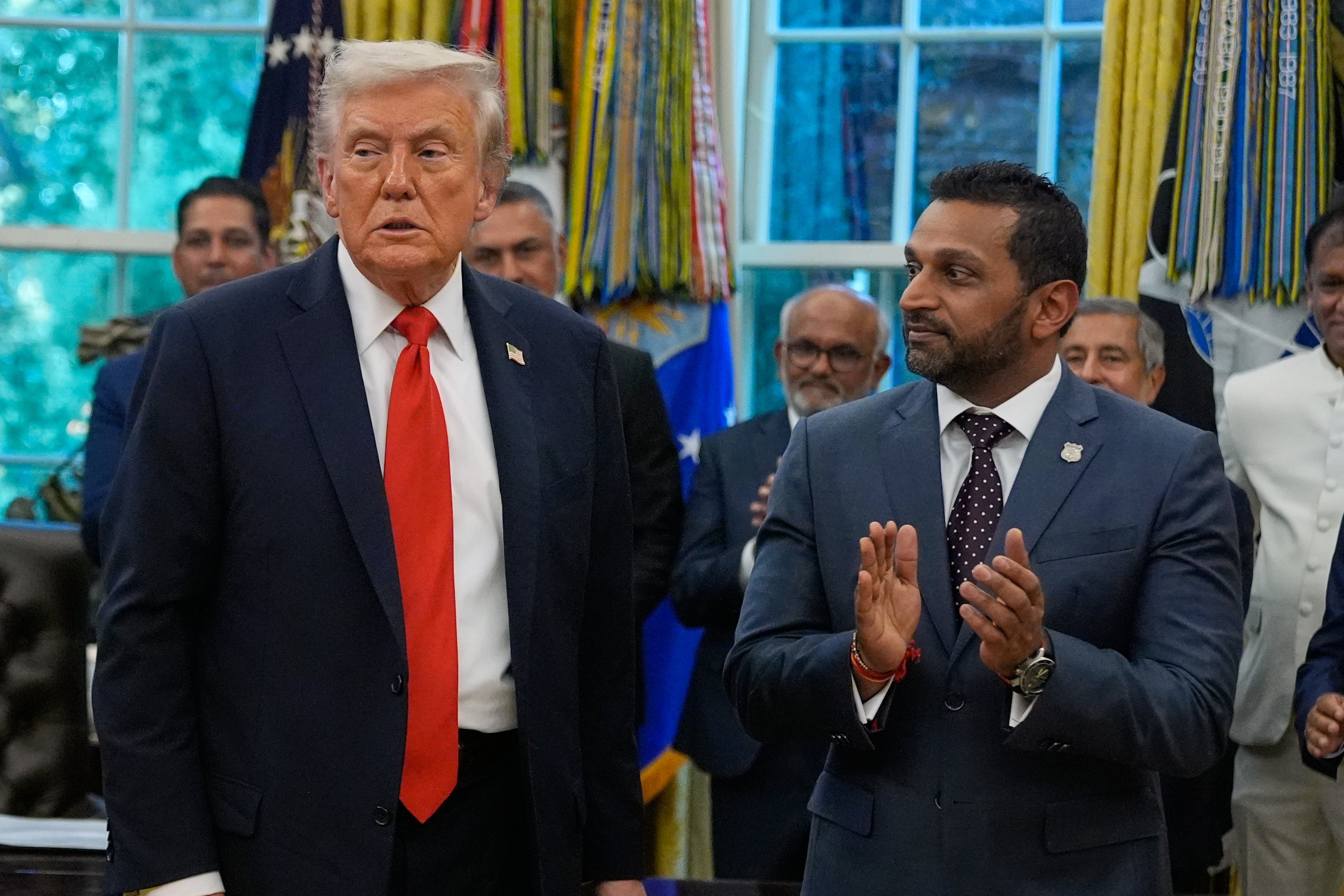
The episode highlighted a deeper tension within American governance: the challenge of maintaining checks and balances when legal disputes intersect with political loyalty and executive power.
For many watching closely, the question was no longer limited to Patel’s future. It had evolved into something more fundamental—whether the systems designed to ensure accountability could function effectively under sustained strain.
In the end, this was not merely a legal battle. It was a test of institutional resilience, unfolding in real time, with consequences that could shape public trust in the rule of law for years to come.