A Constitutional Clash Unfolds: Trump and the Supreme Court Enter Open Conflict
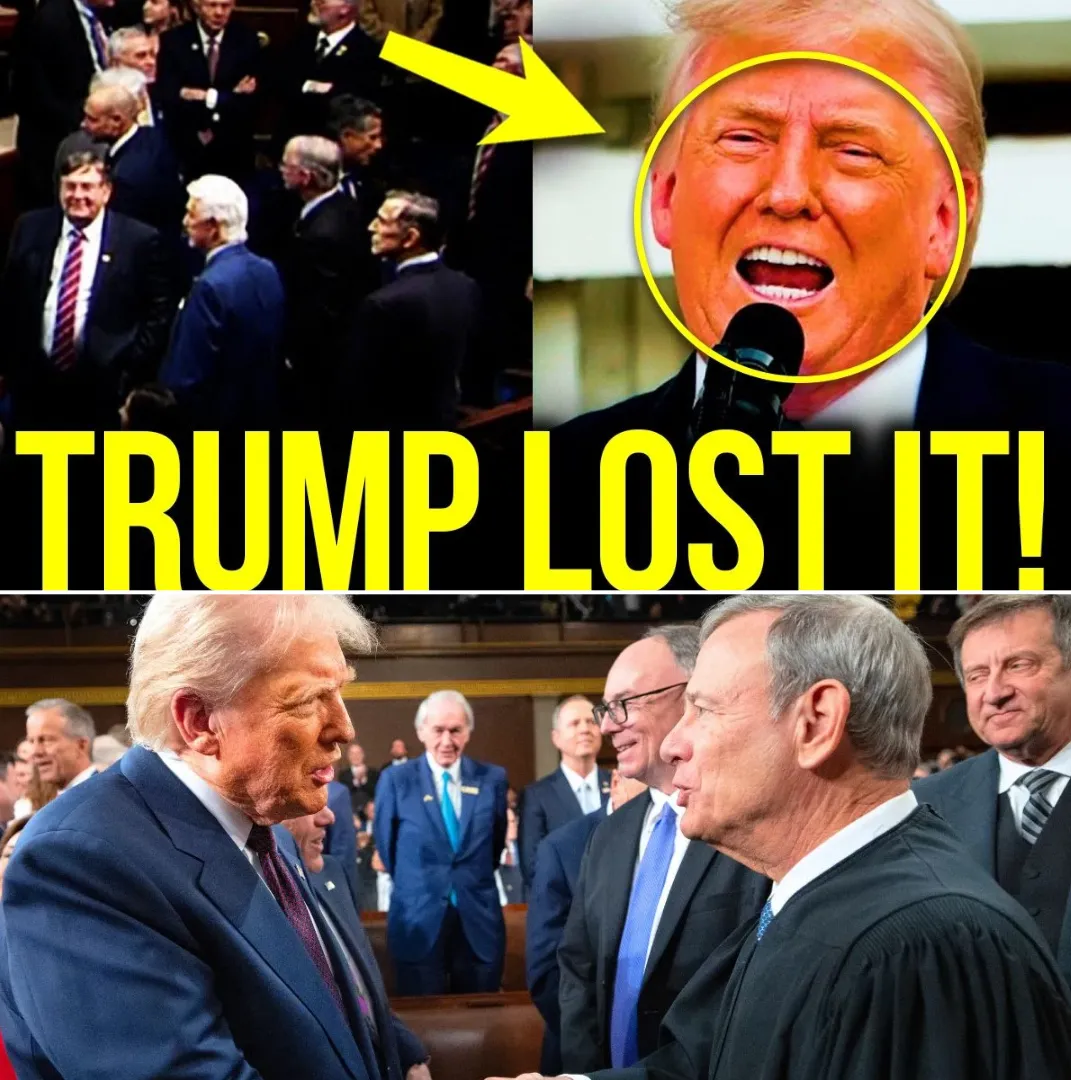
In an extraordinary escalation of tensions, Donald Trump has found himself locked in a public and increasingly hostile confrontation with the very judicial system he once helped shape, raising profound questions about the balance of power in America.
The latest flashpoint came after Trump sharply criticized federal judges, calling them “corrupt” and even suggesting impeachment over rulings that blocked elements of his administration’s immigration policies, igniting alarm across legal and political circles.
In response, John Roberts issued a rare and pointed statement, emphasizing that impeachment is not an appropriate reaction to judicial disagreement and reaffirming the importance of appellate review in resolving disputes.

Such direct intervention from the Chief Justice is almost unheard of, underscoring the severity of the moment. It signaled that the judiciary viewed Trump’s rhetoric not merely as political criticism, but as a challenge to institutional integrity.
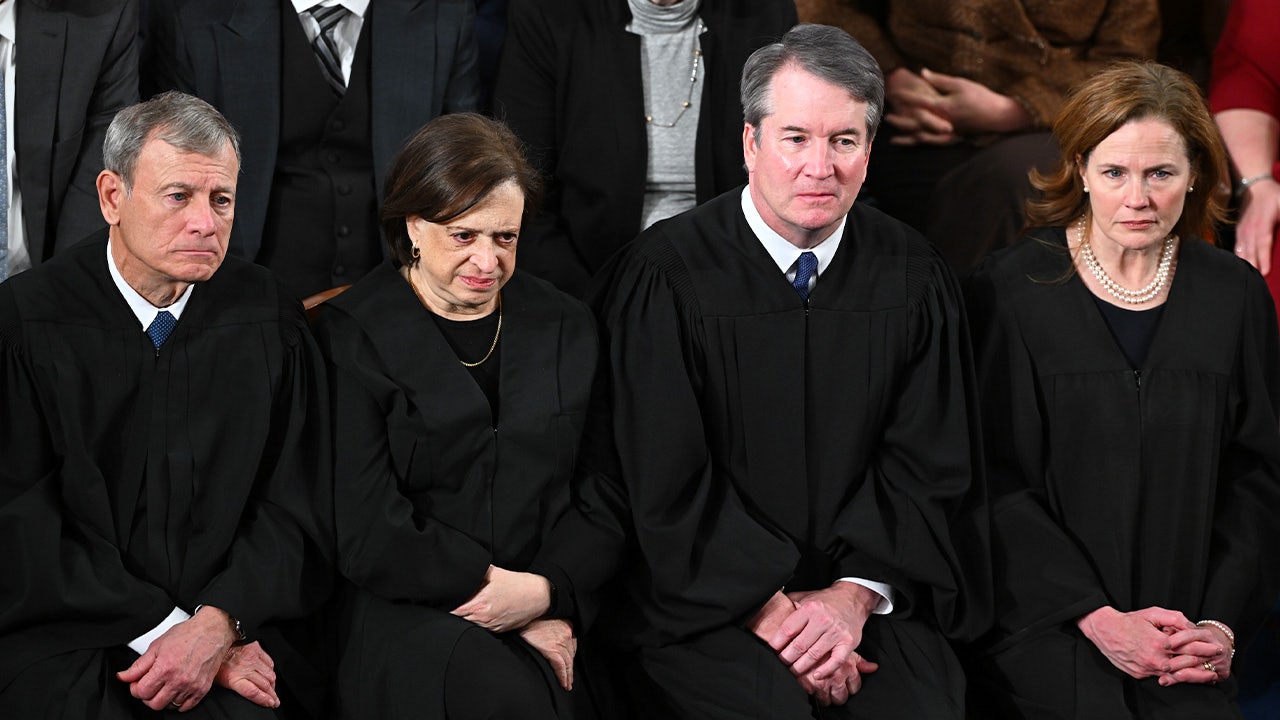
The strain became even more visible during the 2026 State of the Union address. In a striking display, a majority of Supreme Court justices chose not to attend, an act widely interpreted as a silent but powerful protest.
Among those absent were both conservative and liberal members of the Court, including Neil Gorsuch and Sonia Sotomayor, highlighting that concern over the situation transcended ideological divisions.

The rupture deepened following a landmark ruling in which the Supreme Court rejected Trump’s proposed global tariff strategy. In a 6–3 decision, the Court reaffirmed that authority over tariffs rests with Congress, not the presidency in peacetime.
Trump’s reaction was swift and unusually personal. He publicly criticized even those he had appointed, accusing certain justices of betrayal and using language that further inflamed an already volatile relationship between the executive and judicial branches.
Encounters that followed did little to ease tensions. Reports described interactions between Trump and attending justices as cold and distant, reflecting a breakdown in the customary decorum that typically governs such high-level engagements.

Meanwhile, criticism has not been confined to the Supreme Court. At the federal district level, at least one judge described the administration’s stance toward the judiciary as “breathtaking” in its implications, warning of authoritarian tendencies.
These developments point to a broader and more troubling pattern. What was once a series of isolated legal disputes has evolved into a sustained and visible conflict over the limits of presidential authority and judicial independence.
Legal experts now warn that this confrontation could have lasting consequences. The judiciary, long seen as a stabilizing force, is being drawn into a political storm that threatens to reshape public perceptions of its role.
At the heart of the crisis lies a fundamental question: can the system of checks and balances withstand sustained pressure from within? The answer may determine not only the outcome of current disputes, but the future of American governance.
As tensions continue to mount, one thing is clear—this is no longer a routine clash between branches of government. It is a defining moment, where the resilience of constitutional norms is being tested in real time.