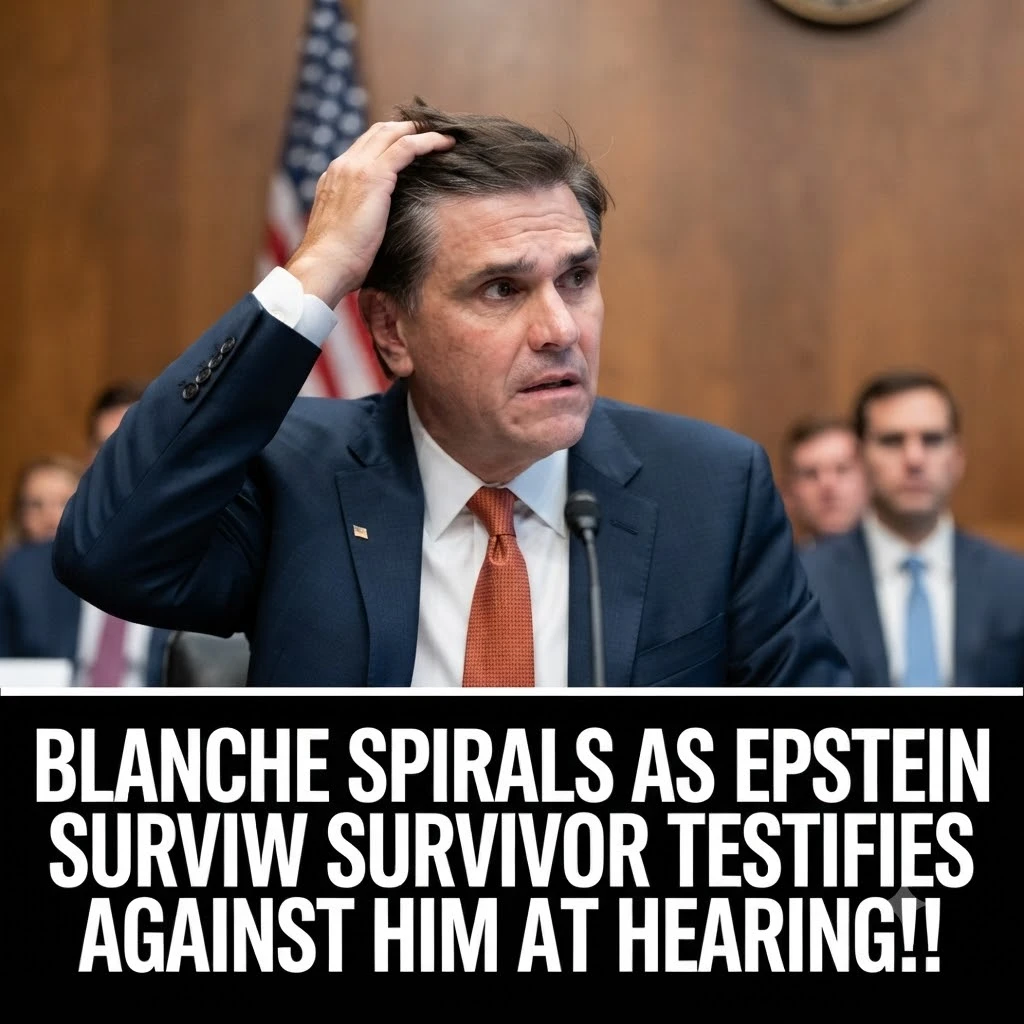
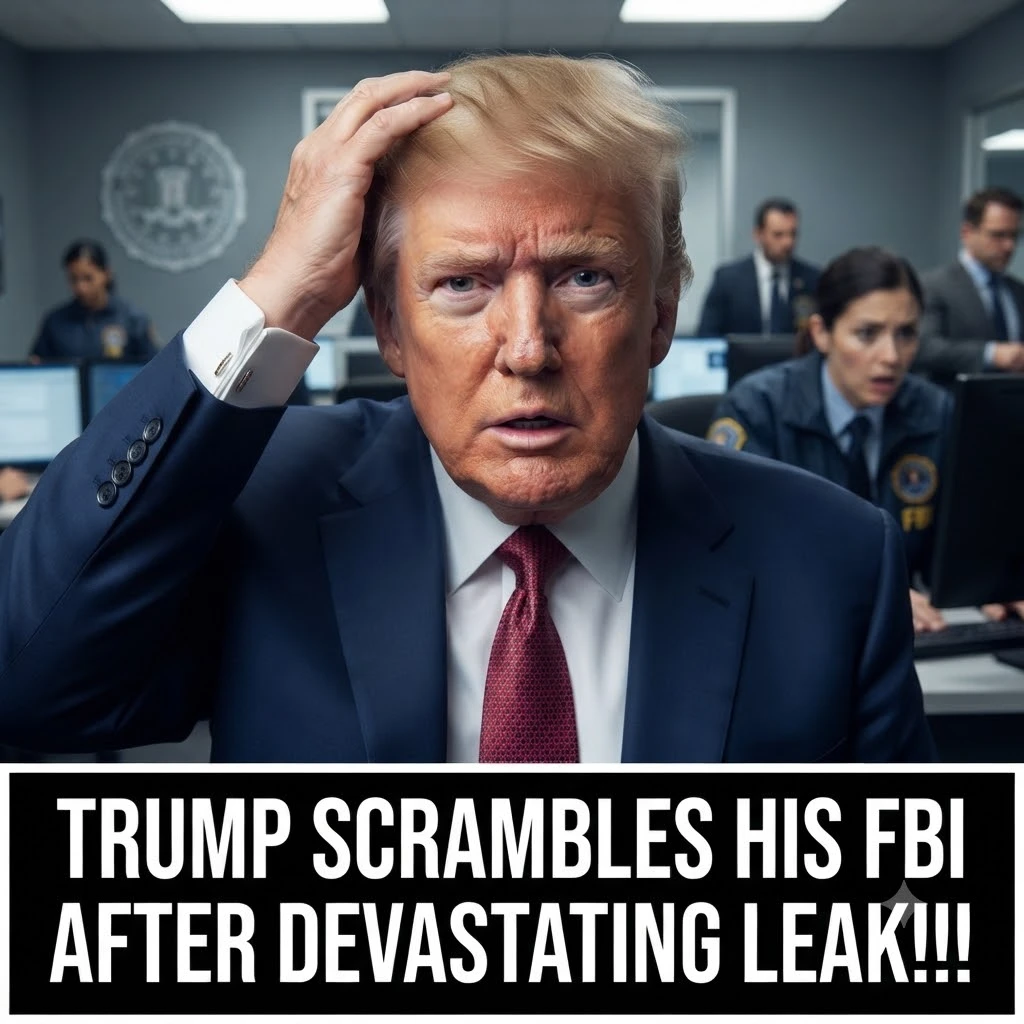
When Tragedy Meets Politics: The Controversy Surrounding Claims About the “Minab School Strike”
In the digital age, news spreads faster than ever. A single claim—whether accurate or not—can circle the world in minutes, shaping public opinion long before facts are fully verified. Recently, a viral narrative began circulating online involving former U.S. president Donald Trump, political commentator Pete Hegseth, and a tragic alleged missile strike on a girls’ school in Minab, a city in southern Iran.
The story spread rapidly across social media platforms, claiming that a school in Minab had been struck by a Tomahawk cruise missile, causing the deaths of dozens—sometimes even hundreds—of young students. According to the narrative, Trump allegedly dismissed the incident as a staged event orchestrated by Iran, while Hegseth supposedly took several steps that exposed the truth.
But when journalists and analysts began examining the claims more closely, the situation appeared far more complicated.
The origins of the viral story
The first versions of the story appeared on several politically charged blogs and video platforms. The posts described a devastating attack on what they called “Minab Elementary School,” claiming that 165 girls had been killed in a precision missile strike.
Within hours, the posts accumulated thousands of shares. Commentators framed the story as evidence of political deception, suggesting that U.S. officials were attempting to hide responsibility for the tragedy.
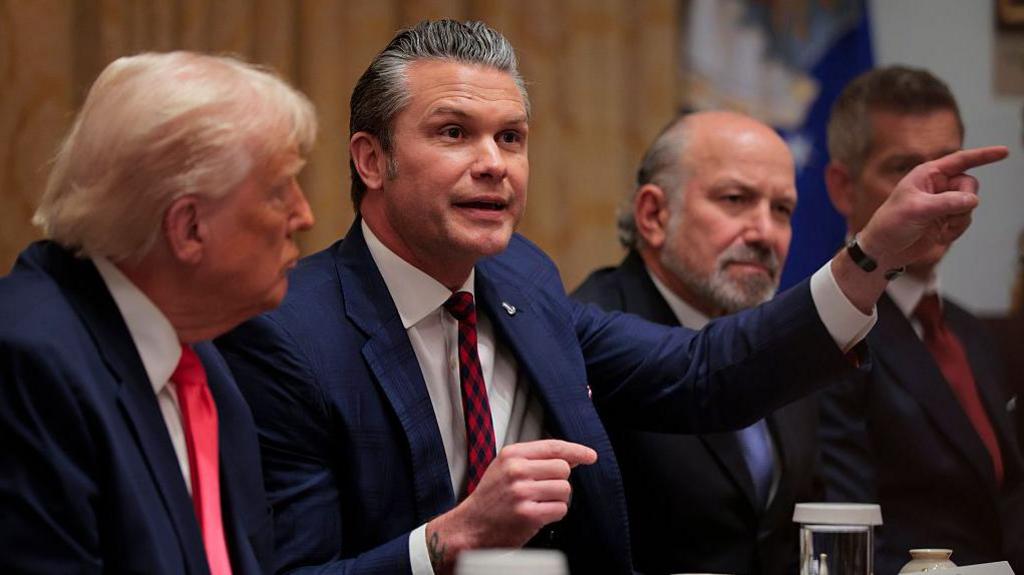
In the narrative circulating online, Trump allegedly shifted blame for the incident and suggested that the attack had been staged. At the same time, the story claimed that Hegseth took several dramatic steps—such as releasing internal Pentagon footage—to contradict that explanation.
Yet as the story spread, one major question quickly emerged: Where was the evidence?
Lack of confirmation from credible sources
Major international news organizations began searching for confirmation of the alleged strike.
However, there were no verified reports from established outlets documenting a missile strike on a girls’ primary school in Minab matching the description circulating online.
Local Iranian media, international wire services, and independent conflict monitoring organizations also did not report an event with the specific details being claimed.
That absence of verification raised serious doubts among journalists and fact-checkers.
When incidents of this magnitude occur—especially those involving large numbers of civilian casualties—they are typically documented by multiple sources, including satellite imagery, hospital reports, and eyewitness accounts.
None of those forms of confirmation appeared in connection with the viral story.
Understanding the weapon mentioned

Another key detail in the circulating narrative was the claim that a Tomahawk missile had struck the school.
The Tomahawk cruise missile is a long-range precision weapon used by the United States military. It is typically launched from naval vessels or submarines and programmed to strike predetermined targets such as military facilities, radar installations, or infrastructure.
Because of its strategic nature, any confirmed use of Tomahawk missiles is normally widely reported and analyzed by defense experts around the world.
Military launches are often detected by radar systems, satellites, and intelligence agencies, making them difficult to conceal.
For that reason, the absence of corroborating evidence in the Minab story raised further questions among analysts.
The role attributed to Pete Hegseth
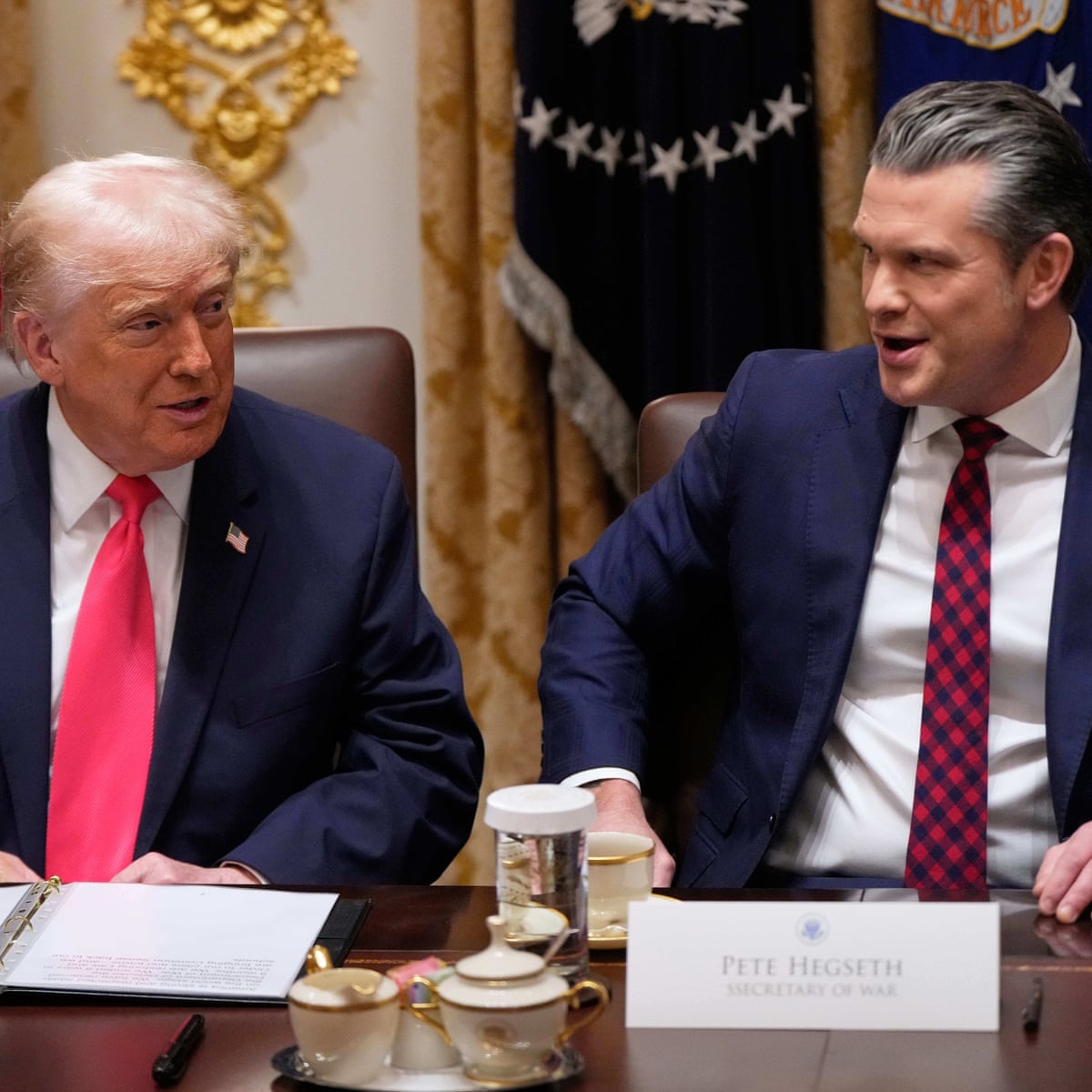
The viral posts also described dramatic actions taken by Pete Hegseth.
According to the narrative, he allegedly released internal video footage of the missile’s flight and organized an emergency meeting at the Pentagon to discuss details of the strike.
However, Hegseth is not a Pentagon official with authority to release classified operational footage or convene high-level military strategy meetings.
His career includes military service and media commentary, but decisions about releasing operational evidence typically involve senior defense officials and intelligence agencies.
Because of this discrepancy, experts noted that the scenario described in the viral posts appeared unlikely.
How misinformation spreads
The Minab story illustrates a broader phenomenon that has become increasingly common in modern media environments: the rapid spread of unverified claims during politically sensitive moments.
When geopolitical tensions are high—particularly between countries such as the United States and Iran—audiences often encounter dramatic narratives designed to provoke emotional reactions.
These narratives may mix fragments of real information with speculation, rumors, or entirely fabricated details.
Once such stories gain traction online, they can become difficult to correct because people often share them before verifying the facts.
The importance of verification

Professional journalists rely on multiple layers of verification before publishing major claims.
These include:
-
Confirmation from multiple independent sources
-
Official statements from relevant authorities
-
Evidence such as satellite imagery or physical documentation
-
On-the-ground reporting from eyewitnesses
Without those elements, responsible news organizations generally avoid presenting dramatic allegations as established facts.
In the case of the Minab story, the lack of such verification led many analysts to treat the claims as unconfirmed or misleading.
Why critical thinking matters
The speed of modern information networks means readers play an increasingly important role in evaluating what they see.
Before accepting or sharing dramatic political claims, experts recommend asking a few key questions:
-
Which sources are reporting this story?
-
Are reputable news organizations confirming it?
-
Is there physical evidence supporting the claims?
-
Do the details align with known facts?
These questions help readers distinguish between reliable reporting and narratives that may be exaggerated or fabricated.
A lesson in the digital era
The story about the alleged Minab school strike serves as a reminder of how quickly misinformation can circulate—especially when it involves emotionally powerful themes such as war, children, and political conflict.
Whether discussing global politics or humanitarian crises, accuracy matters.
Behind every headline are real people and real consequences.
In a world where information moves at lightning speed, the responsibility to seek the truth belongs not only to journalists but also to readers everywhere.