Uncertainty at the Top: Growing Questions Surround Trump’s Leadership and Decision-Making
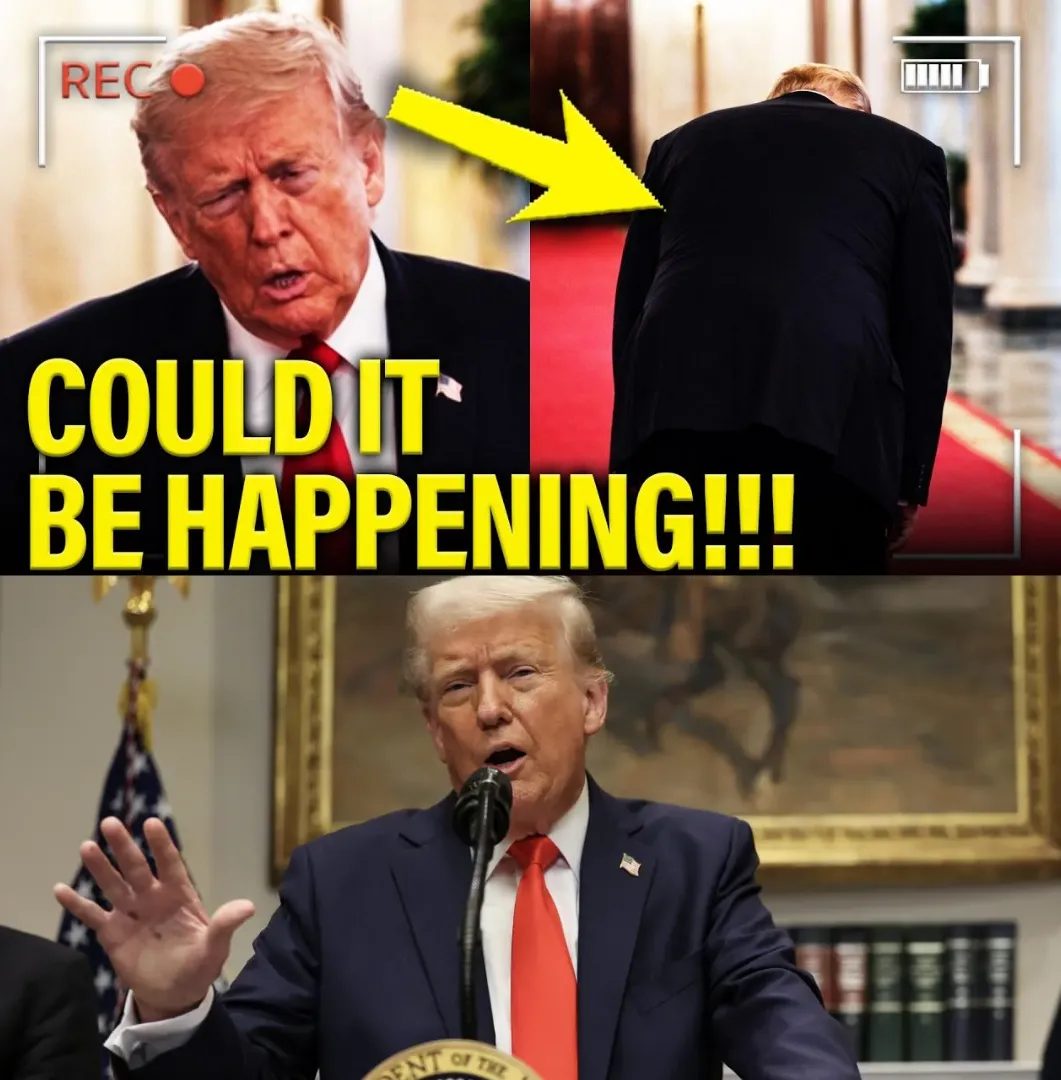
In recent weeks, a wave of unease has begun to ripple through Washington, fueled by mounting questions about former President Donald Trump and his public behavior. What once appeared as routine political controversy now feels increasingly complex, drawing attention from critics and allies alike.
Observers point to a series of unusual moments during Trump’s public appearances, highlighting remarks that seemed inconsistent or confusing. While such incidents are not unprecedented in modern politics, the frequency and tone of these moments have intensified scrutiny across media and political circles.
At the same time, concern is no longer limited to speeches or rallies. Inside Congress, lawmakers have begun pressing for clarity on decision-making processes tied to national defense. The issue has become particularly sensitive amid ongoing international tensions and evolving geopolitical risks.

During a recent House hearing, Elbridge Colby faced pointed questions regarding a temporary pause in weapons shipments to Ukraine. His responses, however, offered little resolution, relying heavily on abstract references to “decision frameworks” rather than identifying clear authority.
The lack of direct answers appeared to frustrate lawmakers from both parties, many of whom sought a straightforward explanation. Their concerns centered not only on the specific policy decision, but also on a broader question: who is ultimately responsible for critical military actions?
This uncertainty arrives at a delicate moment. As global conflicts continue to evolve, particularly involving regions such as Eastern Europe and the Middle East, the clarity of leadership within the United States becomes more than a domestic concern—it carries international consequences.
Trump himself has continued to make assertive statements on foreign policy, including comments on negotiations with Iran and the trajectory of ongoing conflicts. His rhetoric remains confident and direct, yet critics argue that it often lacks the consistency expected in high-stakes diplomacy.

Supporters, however, dismiss these concerns as politically motivated attacks, suggesting that Trump’s unconventional style has long been a defining feature rather than a liability. They argue that his unpredictability can serve as a strategic advantage on the global stage.
Still, the intersection of perceived personal decline and institutional ambiguity has created a narrative that is difficult to ignore. For many observers, the issue is not solely about one individual, but about the systems that surround and support executive decision-making.
As debates continue, one reality remains clear: in moments of geopolitical tension, even subtle uncertainties can carry significant weight. Whether these concerns will translate into lasting political consequences—or fade into the rhythm of partisan conflict—remains to be seen.
For now, Washington watches closely, aware that in a world defined by rapid change, clarity at the highest level of leadership is not merely desirable. It is essential.