Capitol Erupts as Calls Grow for Trump’s Removal: A New Political Storm in Washington
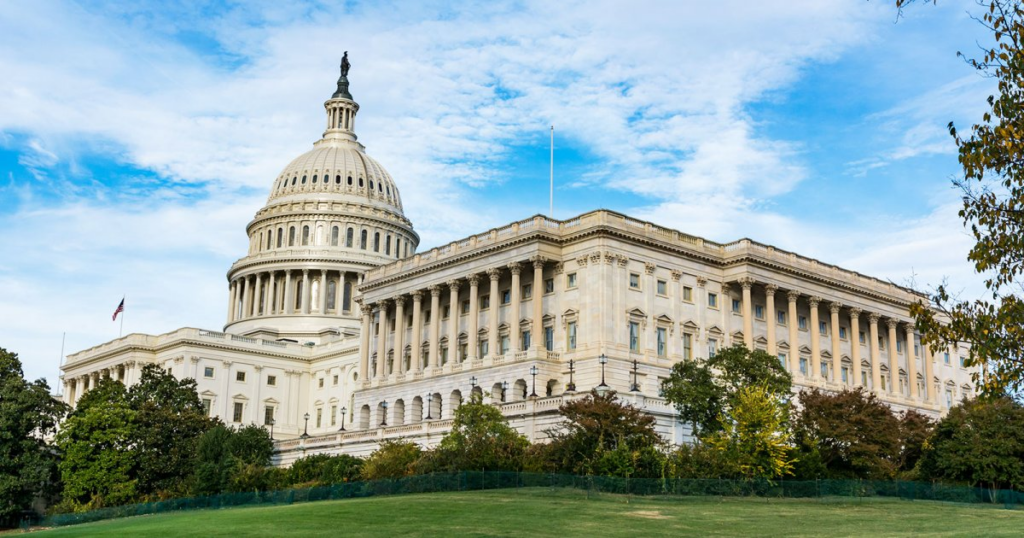
The atmosphere in Washington has grown increasingly tense as calls intensify for the removal of President Donald Trump. What began as political criticism has now evolved into a serious constitutional debate, with lawmakers openly discussing whether drastic action should be taken to remove a sitting president from office. The growing controversy has sparked heated reactions across Capitol Hill, raising questions about the limits of presidential power and the stability of American democratic institutions.
A Political Crisis Unfolds
The situation escalated after reports surfaced that several members of Congress were exploring options to remove Trump from office. According to political insiders, around 38 U.S. senators have expressed support for pursuing measures that could force the president out, either through impeachment or by invoking the Twenty-Fifth Amendment to the United States Constitution.
Both options represent extraordinary constitutional mechanisms. Impeachment is a formal process used when lawmakers believe a president has committed “high crimes and misdemeanors.” The 25th Amendment, however, allows the vice president and a majority of the cabinet to declare a president unable to carry out the duties of the office.
The mere fact that these discussions are taking place has sent shockwaves through Washington, highlighting the deep divisions currently shaping American politics.
The Trigger: Court Orders and Immigration Policy
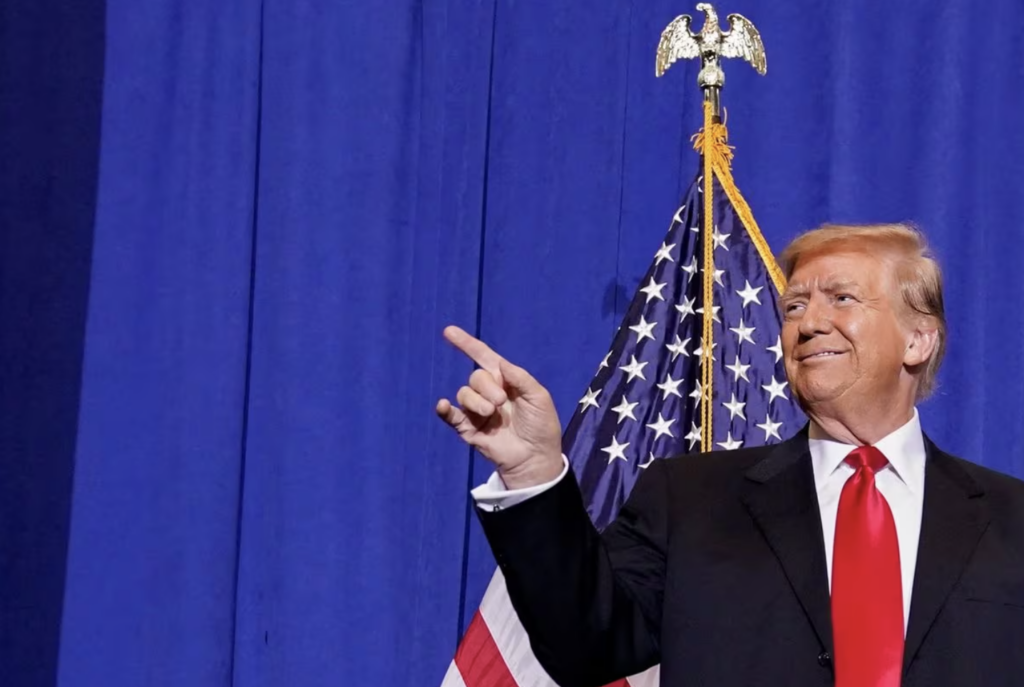
The controversy surrounding Trump’s presidency has intensified following accusations that he ignored federal court orders related to immigration enforcement and mass deportation policies. Critics claim that defying judicial rulings threatens the constitutional principle of separation of powers, which is designed to prevent any single branch of government from becoming too powerful.
Supporters of Trump argue that the president has broad authority over immigration enforcement and national security. However, opponents insist that even the president must obey the rulings of federal courts.
Legal scholars warn that a president openly defying the judiciary could create a dangerous precedent. The U.S. Constitution relies on a delicate balance between the executive, legislative, and judicial branches. If one branch refuses to respect the authority of another, the entire system could be destabilized.
Pressure from Political Leaders
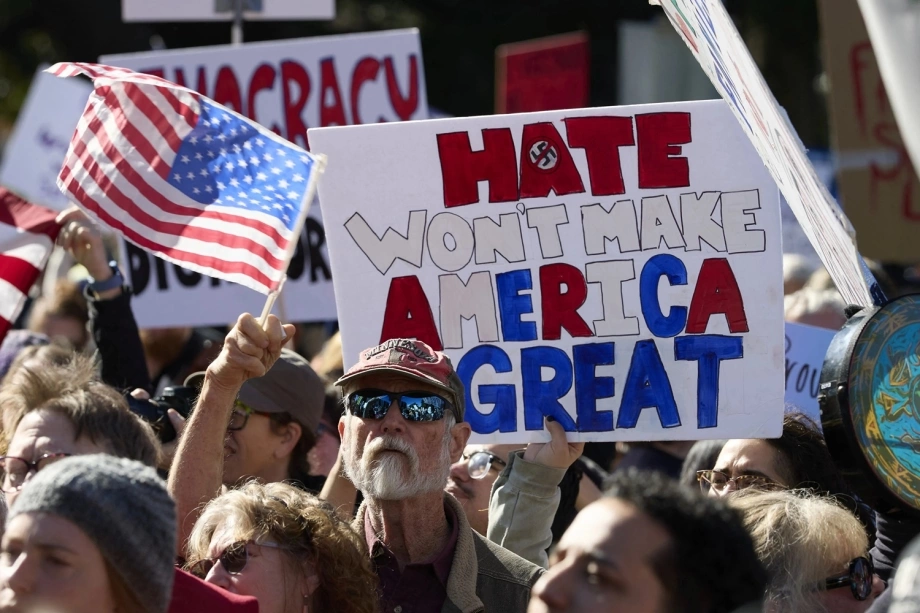
Several prominent political figures have added their voices to the debate. Former House Speaker Nancy Pelosi and Senate Majority Leader Chuck Schumer have both publicly called for action, urging officials to consider whether the president should step down or face constitutional consequences.
Their statements have amplified the national conversation, turning what might have been a quiet internal debate into a full-scale political confrontation. Critics argue that allowing a president to ignore court orders could undermine the rule of law, while supporters claim the calls for removal are politically motivated.
The political divide in Washington has rarely been this sharp. On one side are lawmakers who believe the situation represents a constitutional crisis. On the other are those who see the removal efforts as a partisan attempt to weaken the presidency.
Public Pressure Builds
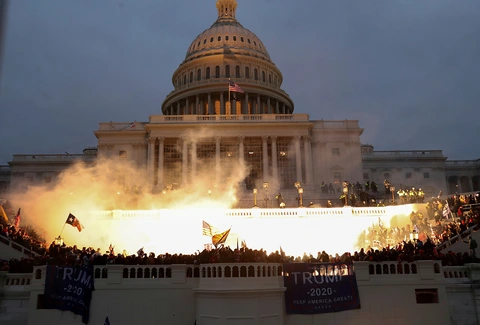
While the battle rages inside Congress, pressure from the public has also been growing. Reports indicate that nearly one million citizens have signed petitions demanding Trump’s removal from office.
Online activism, protests, and heated debates across social media platforms have transformed the issue into a national conversation. Americans across the political spectrum are weighing in, reflecting the deep polarization that has defined modern U.S. politics.
For many citizens, the controversy goes beyond any single policy decision. Instead, it has become a larger debate about presidential accountability and the limits of executive authority.
The Difficult Path of Impeachment
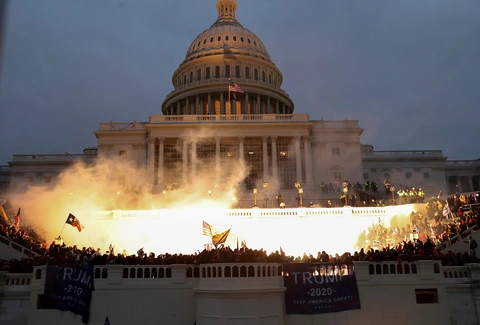
Despite the rising calls for action, removing a president through impeachment remains extremely difficult. The process begins in the House of Representatives, where lawmakers must approve articles of impeachment. If those articles pass, the case moves to the Senate for trial.
To remove a president from office, two-thirds of the Senate—67 votes—must agree to convict. In a politically divided Senate, reaching that threshold is notoriously challenging.
Historically, only a few presidents have been impeached, and none have been removed from office through Senate conviction. As a result, many political analysts believe that even if impeachment proceedings begin, the chances of removal remain uncertain.
The 25th Amendment Debate
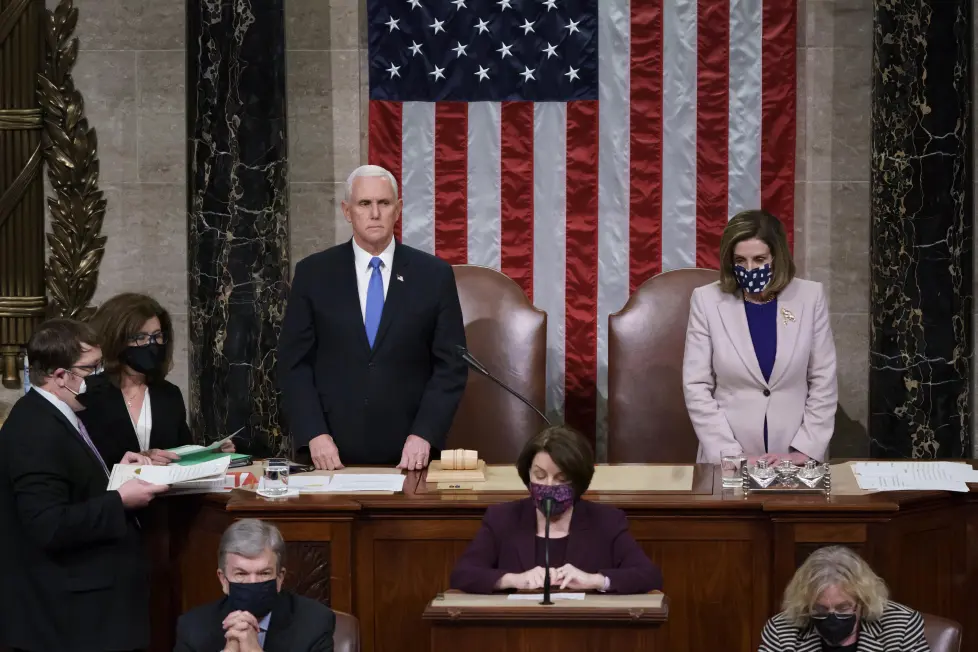
The other option being discussed is the Twenty-Fifth Amendment, which was ratified in 1967 after the assassination of President John F. Kennedy. This amendment allows the vice president and a majority of the cabinet to declare that the president is unable to perform the duties of the office.
If such a declaration is made, the vice president immediately becomes acting president. However, the process does not end there. Congress must ultimately decide the issue if the president challenges the decision.
Using the 25th Amendment to remove a president against his will would be unprecedented in American history. Because of this, many experts believe it would trigger an intense constitutional and political battle.
A Nation Watching Closely
The unfolding drama has captured the attention of Americans and observers around the world. Political commentators describe the situation as one of the most dramatic constitutional confrontations in modern U.S. history.
For supporters of Trump, the removal efforts represent an attack on a democratically elected president. For critics, they represent a necessary defense of constitutional principles.
Either way, the stakes are extremely high. The outcome could shape not only Trump’s presidency but also the future balance of power within the American political system.
What Happens Next?
In the coming months, several key developments could determine the direction of the crisis. Congressional investigations, court rulings, and internal political negotiations will all play a role in deciding whether removal efforts gain momentum or fade away.
If more lawmakers join the call for impeachment or the 25th Amendment, the pressure on the administration could increase dramatically. At the same time, political alliances within Congress could shift as leaders calculate the risks and consequences of such an unprecedented move.
For now, Washington remains on edge. Behind closed doors, lawmakers continue debating the options available to them. Outside the halls of power, the American public watches closely, aware that the decisions made in the capital could shape the nation’s political future.
One thing is certain: the struggle unfolding in Washington is far from over. Whether it leads to impeachment, constitutional confrontation, or political compromise, the conflict has already become a defining moment in contemporary American politics. ⚡