A Resignation That Echoes: Intelligence Chief’s Exit Deepens Washington’s War Divide
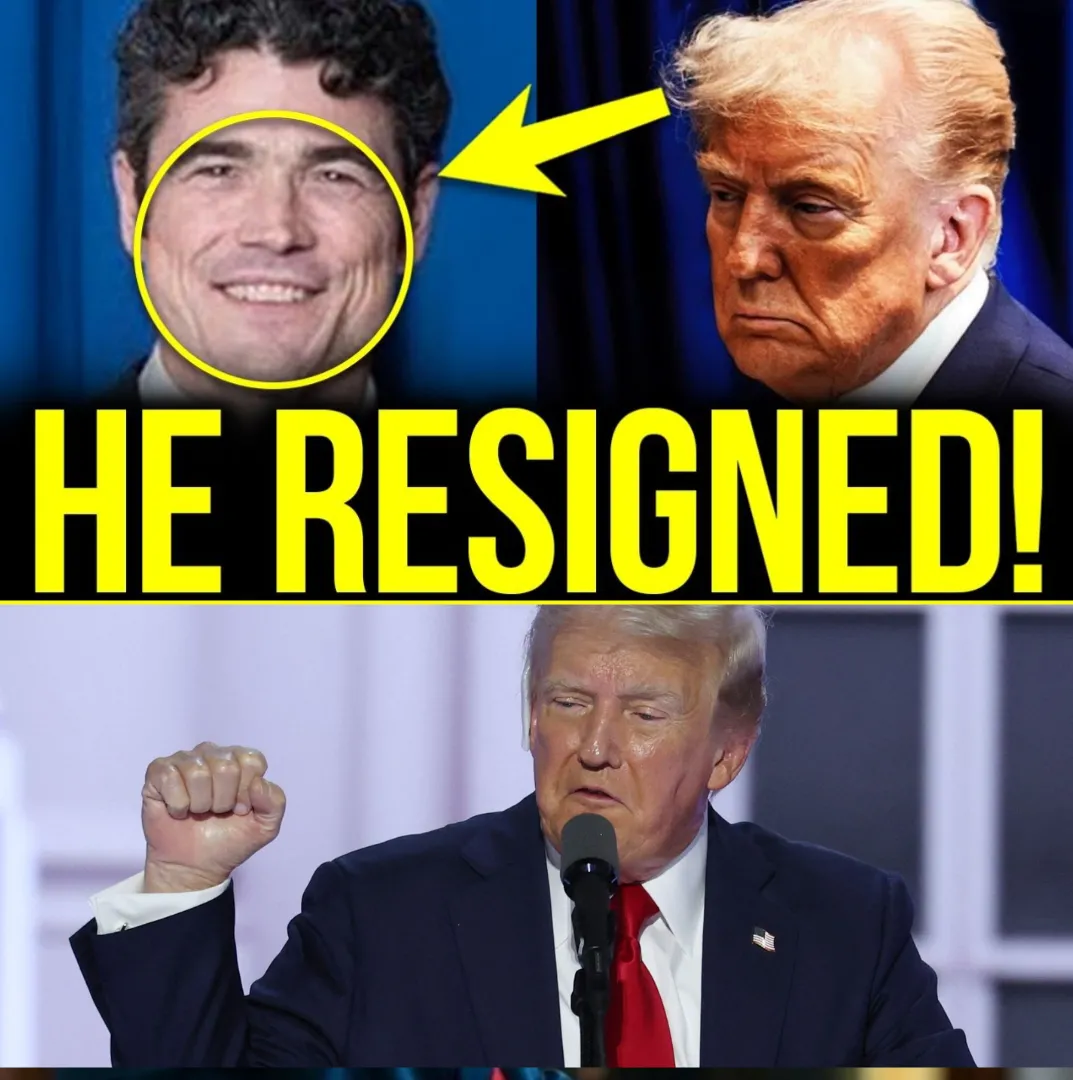
In Washington, departures rarely pass unnoticed—but some carry a weight that lingers far beyond the moment. The sudden resignation of Joe Kent has done precisely that, sending ripples through an already tense political landscape.
Kent was no ordinary official. A decorated veteran and former Green Beret, he was appointed under Donald Trump’s administration and entrusted with access to some of the nation’s most sensitive intelligence assessments.
His departure, however, was not framed as routine. In a public statement, Kent cited a matter of conscience, declaring he could no longer support the administration’s military approach toward Iran—a decision that immediately drew national attention.

What elevated the moment further were the implications behind his words. Kent suggested that the justification for conflict lacked the urgency typically required to authorize military force, raising questions about how threats were being interpreted—or presented.
In Washington, such distinctions matter. The line between imminent danger and strategic positioning is not merely semantic; it forms the legal foundation for decisions that can lead a nation into war.
The reaction from Trump was swift and pointed. The president dismissed Kent’s stance, describing him as weak on national security—a stark contrast to earlier praise when Kent was first appointed to lead counterterrorism efforts.
This shift in tone did not go unnoticed. For observers, it highlighted a recurring pattern in political alliances: loyalty is often valued until it diverges from policy, at which point narratives can change rapidly.

Beyond personal dynamics, the resignation has intensified broader concerns about oversight. Lawmakers are now examining whether existing war powers were exercised within constitutional bounds, particularly in the absence of clear congressional authorization.
The debate is not confined to legal circles. Public discourse has begun to reflect deeper uncertainty—about transparency, decision-making, and the extent to which intelligence informs policy, rather than being shaped by it.
Adding to the complexity is the political dimension. The event has exposed subtle fractures within Trump’s support base, particularly between those favoring strong international alliances and those advocating a more restrained, domestic-focused approach.
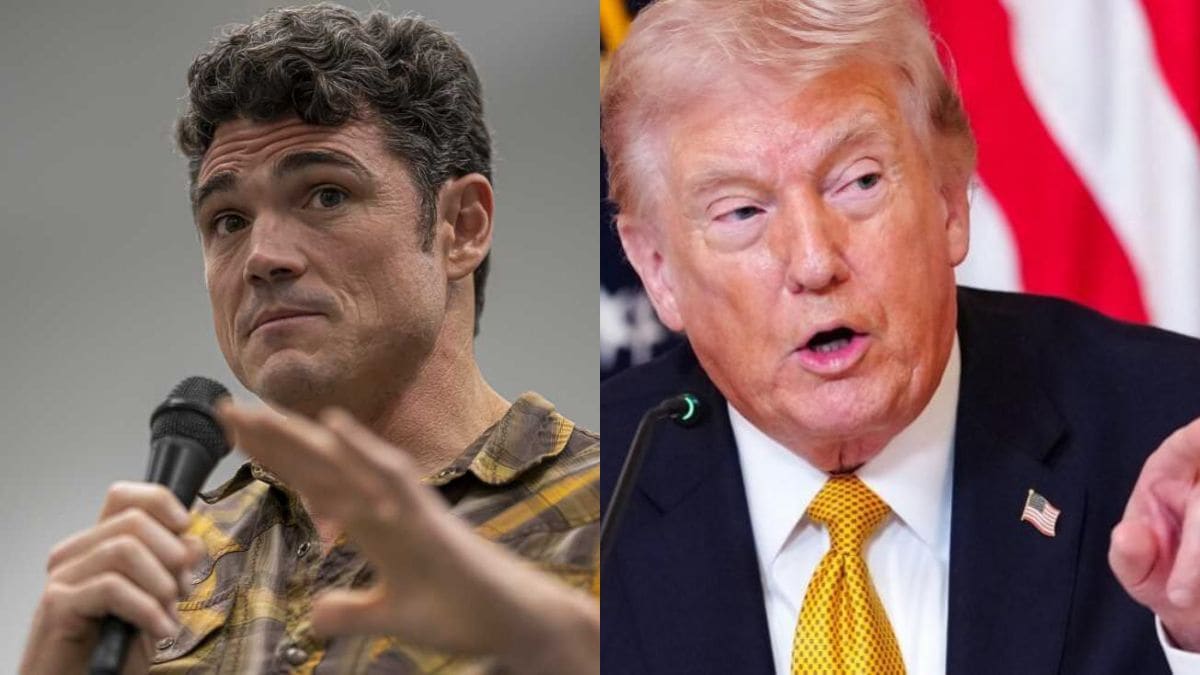
Historically, moments like this can act as catalysts. When a senior official steps down on principle, it can encourage others—previously silent—to reconsider their positions, potentially triggering a chain reaction within institutions.
Meanwhile, the geopolitical backdrop continues to evolve. Tensions in the Middle East remain high, and discussions of further military actions have only amplified the sense that events are moving faster than consensus can form.
For audiences in both the United States and the United Kingdom, the significance lies not only in the resignation itself, but in what it represents: a rare public fracture between intelligence leadership and executive authority.
Ultimately, the story is still unfolding. Whether Kent’s departure becomes an isolated moment or the beginning of a broader shift will depend on what follows—and on how institutions respond under mounting pressure.
Because in times like these, it is not just decisions that define a presidency. It is how those decisions are questioned, challenged, and remembered long after the moment has passed.