When loyalty meets the Constitution: how a Supreme Court moment quietly challenged Trump’s criticism
In Washington, criticism between political leaders is nothing new. But when that criticism reaches the nation’s highest court, the stakes become something much larger than partisan debate.
That is exactly what happened recently when former president Donald Trump publicly criticized the Supreme Court of the United States, accusing it of lacking courage and suggesting that some of the justices he had appointed failed to stand firm at a critical moment.
The remarks sparked immediate attention across the political and legal world.
Yet less than half a day later, one response—measured, restrained, and deeply rooted in constitutional language—shifted the conversation in an unexpected direction.
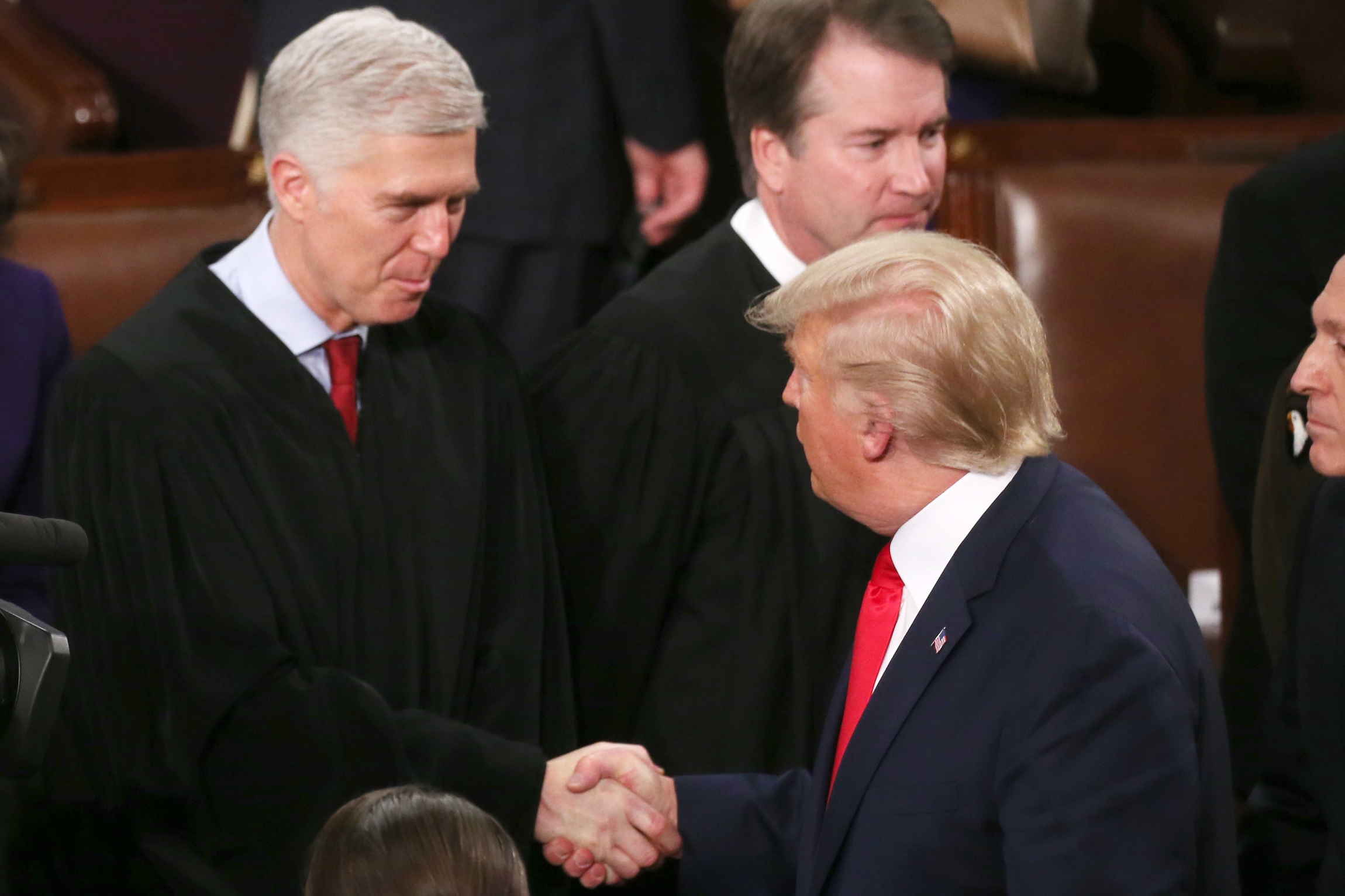
The response came from Supreme Court justice Neil Gorsuch.
Rather than engage in political confrontation, Gorsuch addressed the issue through something far more traditional for the court: a written judicial opinion.
And in doing so, he reminded Americans of a principle that has defined the country’s legal system for more than two centuries.
A president’s frustration with the court
Trump has long been vocal about his expectations of the judiciary.
During his presidency, he appointed three justices to the Supreme Court—Gorsuch, Brett Kavanaugh, and Amy Coney Barrett—appointments that significantly reshaped the ideological balance of the court.
Supporters praised those nominations as historic.
Critics warned they could politicize the judiciary.
In the years since, the court has issued decisions that both pleased and frustrated Trump’s allies. When rulings have not aligned with his expectations, Trump has sometimes spoken bluntly about his disappointment.
His latest comments were among the most direct yet, suggesting that the court had backed down when strength was required.
For many legal scholars, however, the remarks raised a deeper concern: whether political leaders should expect loyalty from judges they appoint.
Gorsuch’s first response: loyalty to the Constitution
Justice Gorsuch’s opinion did not mention Trump by name.
Instead, it focused on the role of a judge in the American system of government.
He wrote that a justice’s ultimate duty lies not with any president, party, or political movement—but with the Constitution itself.
The statement may have sounded simple, yet it carried enormous historical weight.
From the earliest days of the republic, American courts have emphasized that judges must remain independent from political influence.
The framers of the Constitution designed the judiciary precisely to resist pressure from both elected officials and public opinion.
By restating that principle, Gorsuch reframed the criticism in a subtle but powerful way.
What Trump described as weakness, the opinion suggested, might actually represent the judiciary doing exactly what it was designed to do.
A second message: defending the balance of power
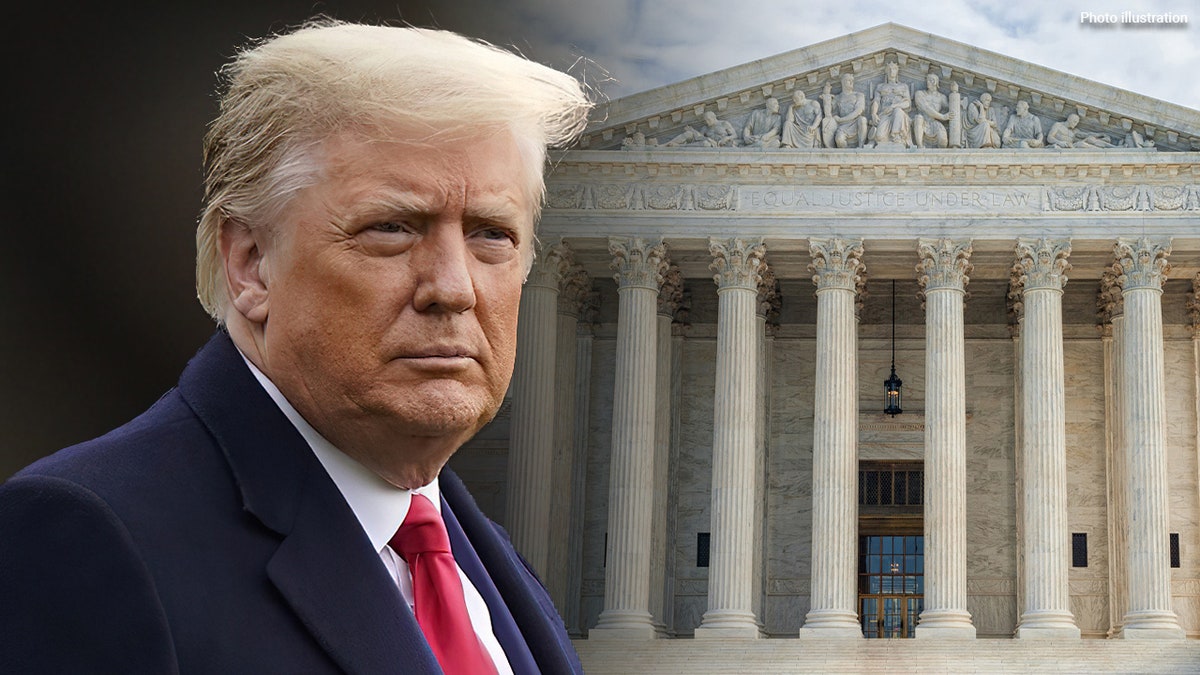
The tone of the court’s response also reflected another constitutional principle—the system of checks and balances.
In the American government, no single branch holds absolute authority.
Congress writes the laws.
The president enforces them.
And the courts interpret them.
This structure was created intentionally to prevent any one institution from dominating the others.
Gorsuch’s language echoed that tradition.
Legal analysts noted that by emphasizing the court’s independence, the opinion served as a reminder that the judiciary cannot become an instrument of political goals—no matter which party holds power.
For many observers, this shifted the public conversation.
Instead of focusing on Trump’s frustration with the decision, attention turned toward the broader importance of judicial independence.
The third and most powerful gesture: restraint

Perhaps the most striking aspect of the moment was what Gorsuch did not do.
He did not respond with personal criticism.
He did not escalate the conflict.
He did not turn the issue into a political spectacle.
Instead, he continued the court’s longstanding tradition of letting written opinions speak for themselves.
In a political culture often defined by rapid-fire responses and heated exchanges, that restraint stood out.
For legal professionals, the message was clear: the strength of the judiciary lies in its refusal to enter political battles directly.
The court’s authority rests on the perception that its decisions come from legal reasoning rather than political loyalty.
Why this moment resonated with older Americans
For readers in the United States and the United Kingdom aged 45 and above, the episode carries echoes of earlier moments in constitutional history.
Many remember the Watergate era, when the Supreme Court ordered President Richard Nixon to release the White House tapes.
Others recall major decisions during the civil rights movement, when courts intervened to enforce constitutional protections.
In each case, the judiciary’s independence became a defining feature of the American system.
Those memories shape how many people view modern conflicts between political leaders and the courts.
They understand that such tensions are not new.
But they also understand why the Constitution placed the judiciary outside the reach of political loyalty.
The challenge of appointing independent judges
Presidents often face a difficult paradox when appointing Supreme Court justices.
They hope their nominees share similar legal philosophies.
At the same time, the legitimacy of the court depends on those justices acting independently once they take the bench.
History is filled with examples of presidents surprised by the decisions of their own appointees.
Justices appointed by conservative presidents have sometimes issued liberal rulings.
Justices chosen by liberal presidents have occasionally sided with conservative arguments.
That unpredictability is not a flaw in the system.
Many constitutional scholars argue that it is precisely the point.
A moment that highlights the Constitution itself
Ultimately, the episode between Trump and Gorsuch says less about personal disagreement and more about the enduring structure of American government.
The Constitution was written with the expectation that conflicts between branches of power would occur.
The founders believed that such tensions would actually strengthen the republic by forcing each institution to defend its role.
Moments like this—when criticism from political leaders meets quiet constitutional reaffirmation—are part of that design.
They remind citizens that the system was built to withstand pressure.
The quiet power of the court
Unlike presidents or members of Congress, Supreme Court justices rarely speak publicly about political controversies.
Their influence comes through legal reasoning rather than speeches or rallies.
Because of that, even brief statements in written opinions can carry enormous significance.
Gorsuch’s reminder about fidelity to the Constitution may have seemed simple on the surface.
But in a polarized political climate, those words carried a powerful message about the nature of American democracy.
Beyond the headlines
Political controversies often dominate news cycles for days or weeks.
But the deeper principles behind them endure much longer.
The argument between Trump and the court may fade from headlines.
What will remain is the reminder that the American system depends on institutions willing to stand apart from political expectations.
For more than two centuries, the Supreme Court has operated under that principle.
Not loyalty to presidents.
Not loyalty to parties.
But loyalty to the Constitution.
And in moments of tension, that principle is often tested—and reaffirmed—in the quiet language of the law.