A Controversial Proposal: Rethinking Eligibility for America’s Highest Offices
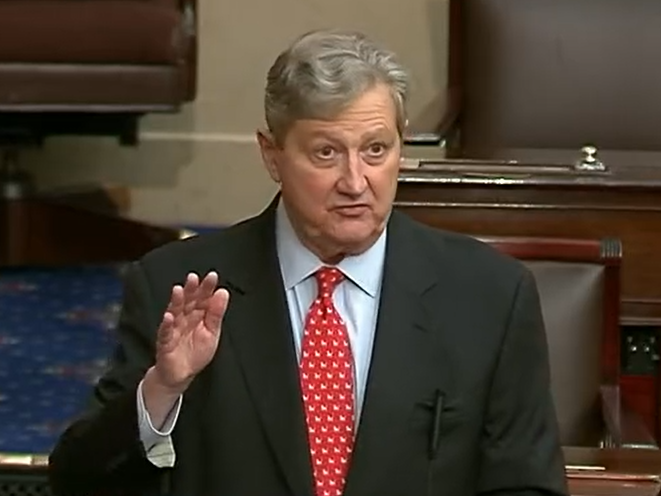
In a political climate already marked by deep divisions and ongoing debates about identity, citizenship, and national values, a new proposal has entered the spotlight—one that could fundamentally reshape who is eligible to hold power in the United States. Senator John Neely Kennedy has introduced a bill that seeks to limit eligibility for the presidency and seats in Congress to individuals born on U.S. soil. Framed by supporters as a move to strengthen national identity and loyalty, the proposal has quickly ignited intense discussion across political, legal, and public spheres.
At its core, the bill is rooted in a simple but powerful idea: that those who lead the country should have an unbroken, lifelong connection to it. Proponents argue that being born in the United States fosters a deeper cultural understanding, a more personal stake in the nation’s future, and a stronger allegiance to its founding principles. In their view, such requirements would help ensure that America’s leaders are fully grounded in the country’s history, values, and constitutional framework.
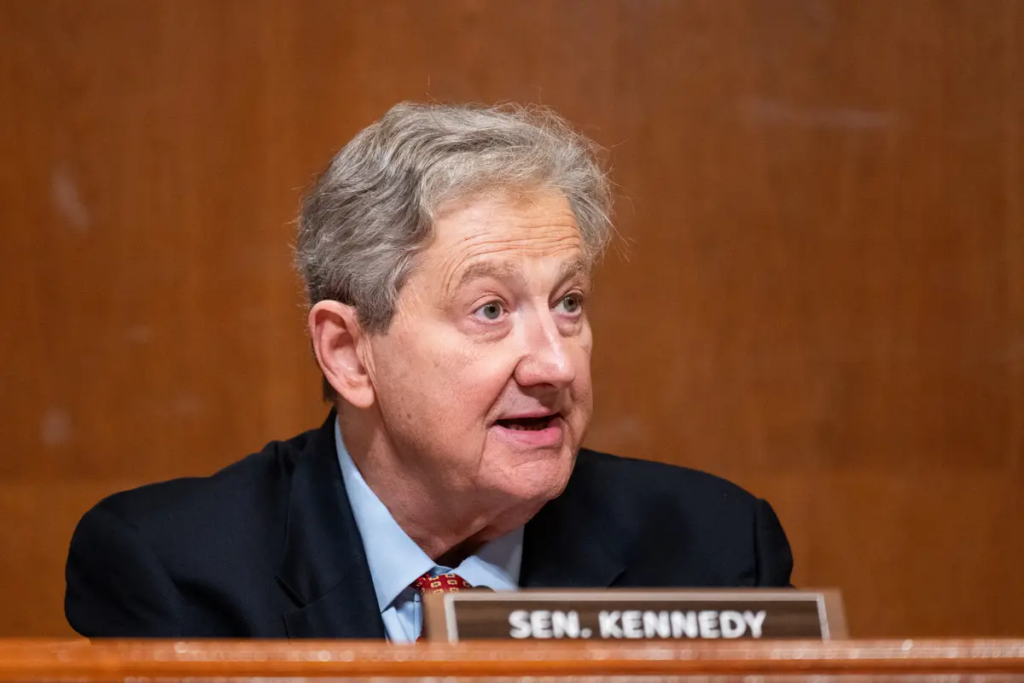
However, while the concept may resonate with some, it also raises significant constitutional and philosophical questions. The United States already has eligibility requirements for its highest offices, carefully outlined in the Constitution. For example, the presidency requires that a candidate be a “natural-born citizen,” at least 35 years old, and a resident of the United States for 14 years. Members of Congress, meanwhile, must meet age and citizenship duration requirements—but there is no stipulation that they must be born on U.S. soil.
This distinction is crucial. The Constitution’s framers debated eligibility extensively, balancing concerns about foreign influence with the desire to remain open and inclusive. The current requirements for Congress reflect a belief that individuals who have become citizens—regardless of birthplace—can still demonstrate loyalty, competence, and commitment to the nation. Changing these standards would not be a simple legislative tweak; it would likely require a constitutional amendment, a process that is intentionally difficult and demands broad consensus across states and political factions.

Critics of the proposal argue that it risks undermining one of America’s defining ideals: that it is a nation of immigrants, where people from diverse backgrounds can rise to positions of leadership. They contend that birthplace alone is not a reliable measure of loyalty or effectiveness. History offers numerous examples of naturalized citizens who have made significant contributions to the country in public service, the military, science, and beyond. For these critics, restricting eligibility could send a message that some Americans are inherently less “qualified” than others based solely on where they were born.
There are also practical implications to consider. In an increasingly globalized world, many Americans are born abroad to U.S. citizen parents—military families, diplomats, and expatriates among them. Would such individuals be excluded under the proposed rule? If so, the policy could inadvertently penalize families who are serving or representing the country overseas. These edge cases highlight the complexity of translating a seemingly straightforward idea into workable law.
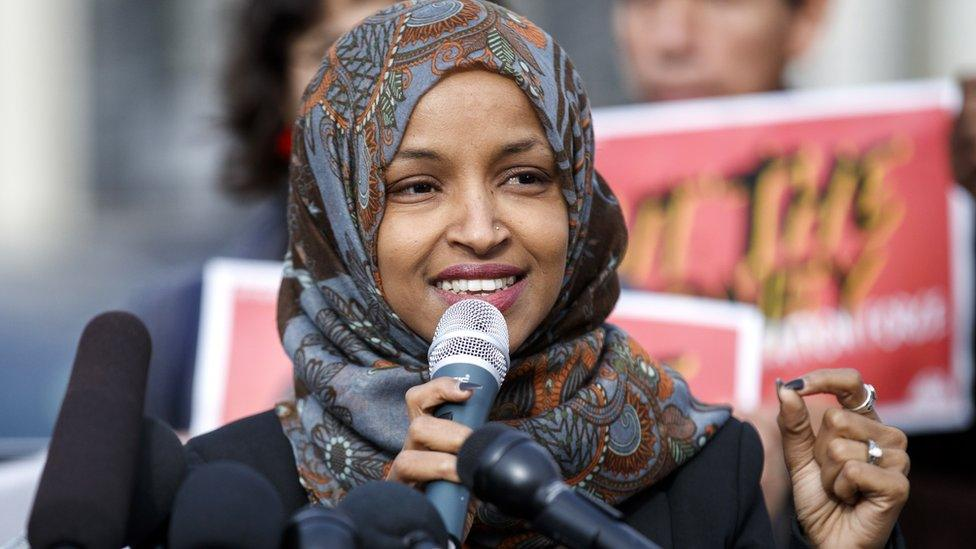
Supporters, however, maintain that the proposal is less about exclusion and more about safeguarding national sovereignty. They argue that in an era of geopolitical competition and rapid information exchange, ensuring that leaders have deep-rooted ties to the country is more important than ever. For them, the bill represents a proactive step to prevent potential conflicts of interest or divided loyalties, even if such concerns are largely theoretical.
The debate also reflects broader tensions in American society about identity, belonging, and the meaning of citizenship. What does it truly mean to be “American”? Is it a matter of birthplace, shared values, legal status, or some combination of these factors? These questions have no easy answers, and they often reveal deeper ideological divides between those who prioritize tradition and continuity and those who emphasize inclusivity and opportunity.

From a legal standpoint, the proposal faces an uphill battle. Amending the Constitution requires approval by two-thirds of both the House of Representatives and the Senate, followed by ratification from three-fourths of the states. This high threshold ensures that only proposals with widespread support can succeed. Given the contentious nature of this issue, achieving such consensus would be extremely challenging.
Public reaction has been swift and varied. Some view the bill as a bold and necessary measure to protect the integrity of American leadership. Others see it as an unnecessary and potentially divisive step that could alienate large segments of the population. Social media platforms have amplified these reactions, with heated discussions, viral posts, and sharply contrasting opinions dominating the conversation.
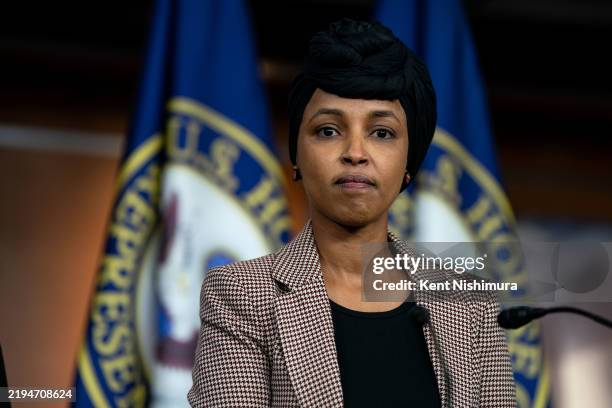
It’s also worth noting that proposals like this often serve a broader political purpose beyond their immediate legislative prospects. By introducing such a bill, lawmakers can signal their priorities, appeal to specific voter bases, and shape the national conversation. Whether or not the proposal ultimately becomes law, it has already succeeded in drawing attention and sparking debate.
In the end, the question raised by this proposal goes far beyond the technicalities of eligibility requirements. It touches on the very identity of the United States as a nation. Is America defined primarily by its borders and birthplace, or by its ideals and the people who choose to embrace them? The answer to that question will continue to evolve, shaped by ongoing dialogue, political action, and the lived experiences of millions of Americans.
As the discussion unfolds, one thing is clear: proposals like this have the power to challenge assumptions, provoke reflection, and force a closer examination of the values that underpin American democracy. Whether viewed as a necessary safeguard or an overreach, the bill introduced by John Neely Kennedy ensures that the conversation about who gets to lead—and why—remains as relevant as ever.