Spain Strikes Back: How Pedro Sánchez Turned Trump’s Trade Threat Into a Diplomatic Showdown

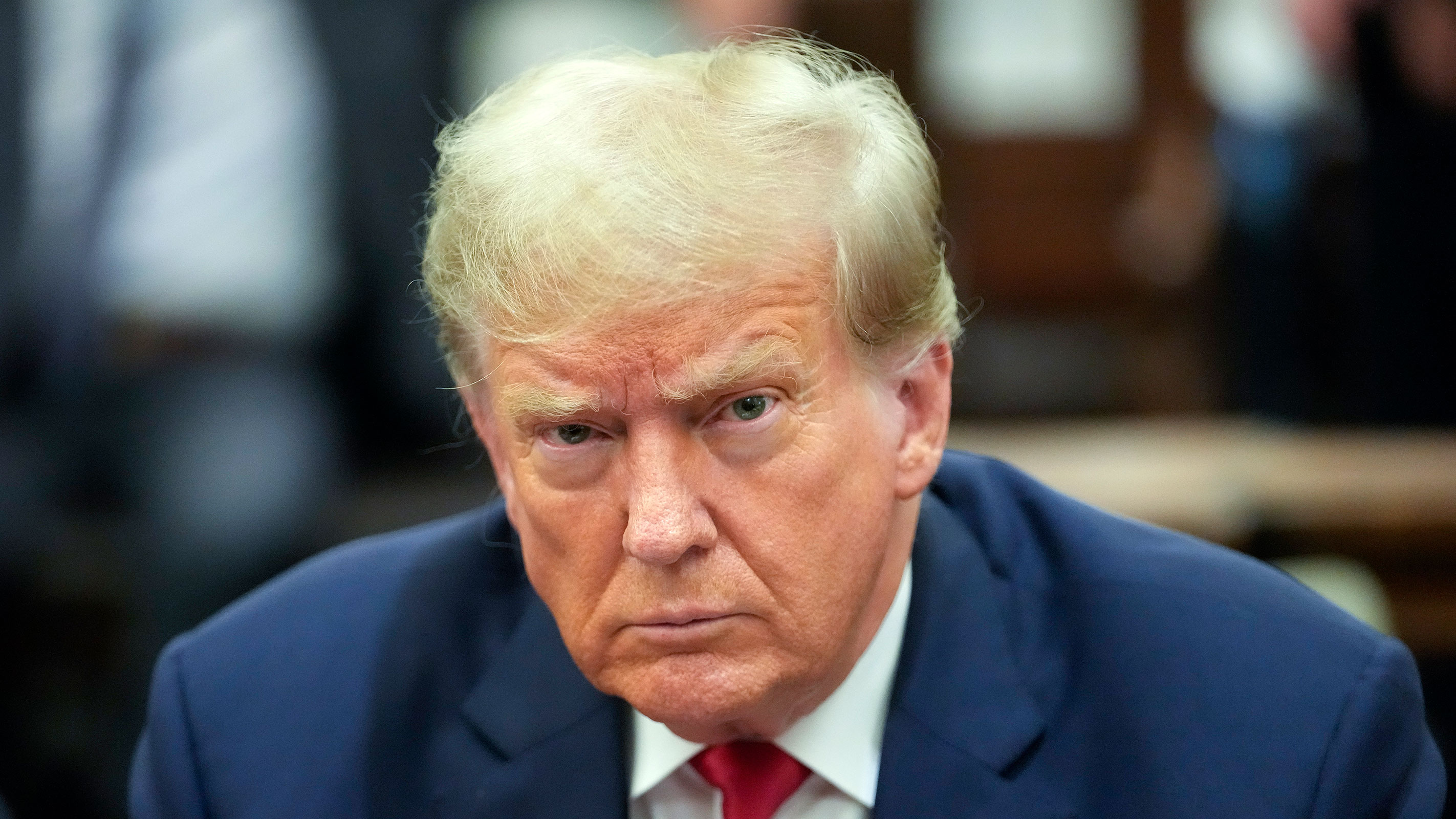
In international politics, threats often travel faster than facts. When Donald Trump hinted at severing trade ties with Spain, the shock rippled across diplomatic circles. Yet within hours, Madrid responded — calmly, strategically, and far more forcefully than many expected.
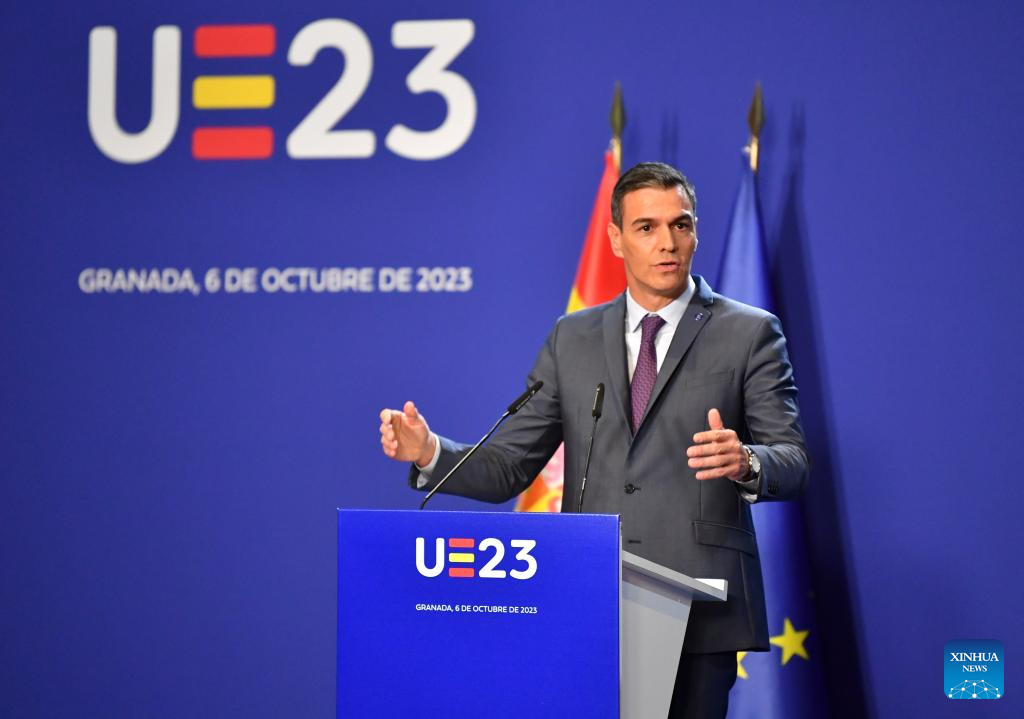
Less than twenty-four hours after Trump’s warning circulated, Spanish Prime Minister Pedro Sánchez stepped forward with a firm message. The response was not emotional or impulsive. It was calculated, direct, and designed to challenge the very foundation of Trump’s threat.
Sánchez’s first move was to dismantle the premise itself. Trade policy, he reminded reporters, is not controlled by individual European nations. It is negotiated and governed collectively through the European Union.
That distinction mattered.
If Washington attempted to impose trade sanctions against Spain alone, Sánchez argued, it would not simply provoke Madrid — it would trigger a dispute with the entire European bloc. In diplomatic language, the warning was unmistakable: Spain would not stand alone.
But Sánchez did not stop there.
He moved quickly to challenge the economic logic behind Trump’s remarks. According to Spanish officials, the United States currently enjoys a trade surplus with Spain — meaning American exports to Spain exceed Spanish exports to the United States.
In other words, a sudden rupture in trade would not only damage Spanish businesses.
It would also hit American companies selling into Spanish markets.
For analysts watching the exchange unfold, this point carried a quiet sting. If trade truly collapsed, Sánchez suggested, the first economic shock might land in the United States itself.
The second counterattack was more strategic.
Spain activated internal financial safeguards designed to cushion the potential impact of economic disruption. These mechanisms — rarely discussed publicly — are meant to stabilize industries if trade conditions suddenly deteriorate.
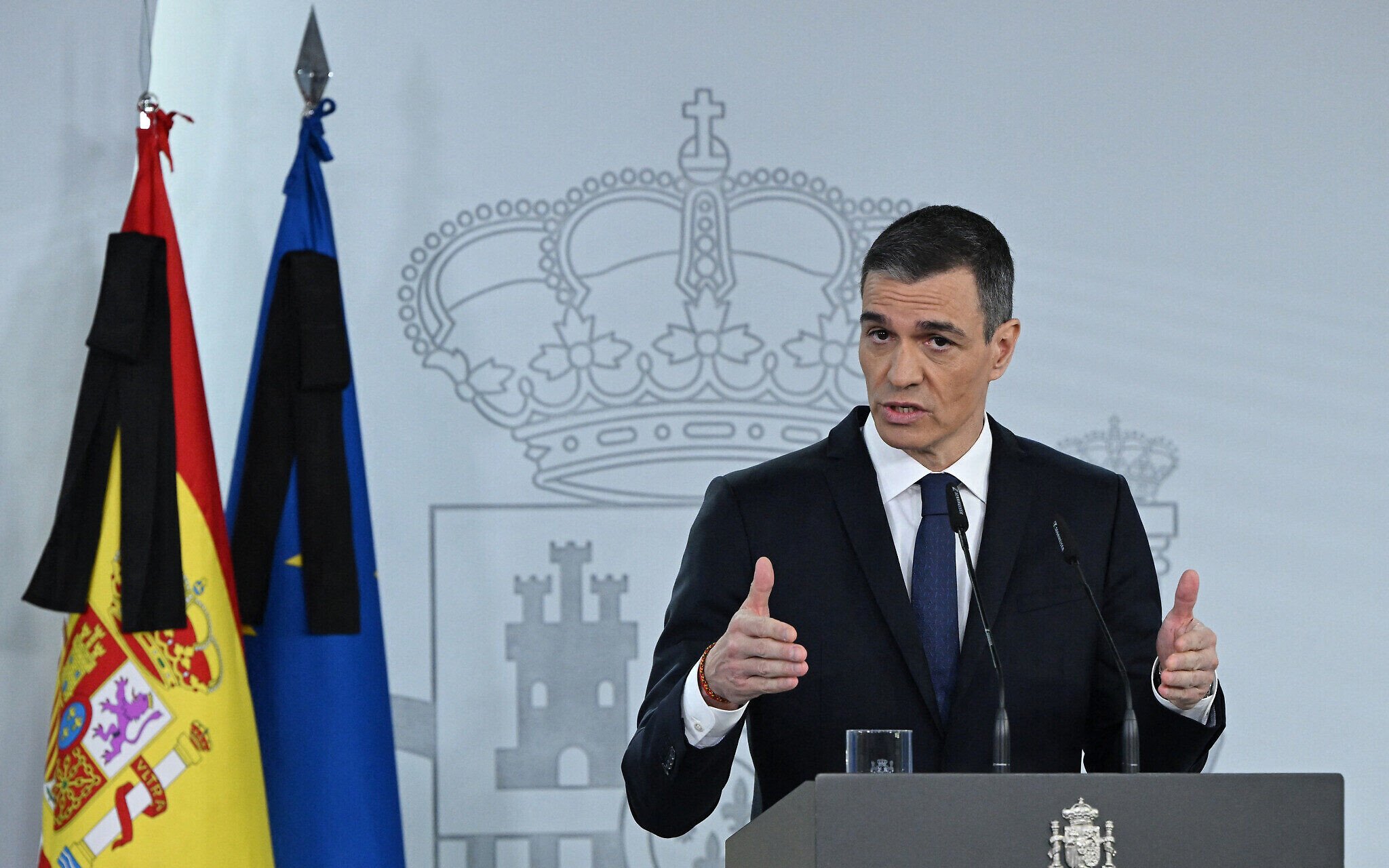
Sánchez assured reporters that Spain had “sufficient resources” to absorb the pressure of a trade confrontation.
It was a message aimed as much at markets as it was at Washington.
Investors were being told not to panic.
And the United States was being told Spain would not be easily pressured.
The third response carried the strongest political undertone. Sánchez framed Trump’s threat as part of a broader concern about the erosion of international norms. In carefully chosen words, he criticized what he described as the “collapse of international legal frameworks.”

While he did not escalate into personal attacks, the implication was clear: unilateral economic punishment of allies undermines the rules that have governed global trade for decades.
For many European observers, that message resonated deeply.
The transatlantic alliance has weathered disagreements before, but rarely with such public friction over economic policy.
What made this confrontation unusual was its speed.
Within a single day, a presidential threat had transformed into a multi-layered diplomatic rebuttal. Spain did not simply respond — it reframed the debate entirely.
By the time the dust settled, the narrative had shifted.
Instead of Spain appearing vulnerable to American pressure, the conversation had become about whether Washington had underestimated both European unity and Spain’s readiness to defend its position.
And that shift left an unexpected image lingering in the political air.
A superpower issued a warning.
A European government answered with three calculated moves.
And suddenly, the balance of the conversation looked very different.