A System Under Strain: Legal Fault Lines Emerge in Washington
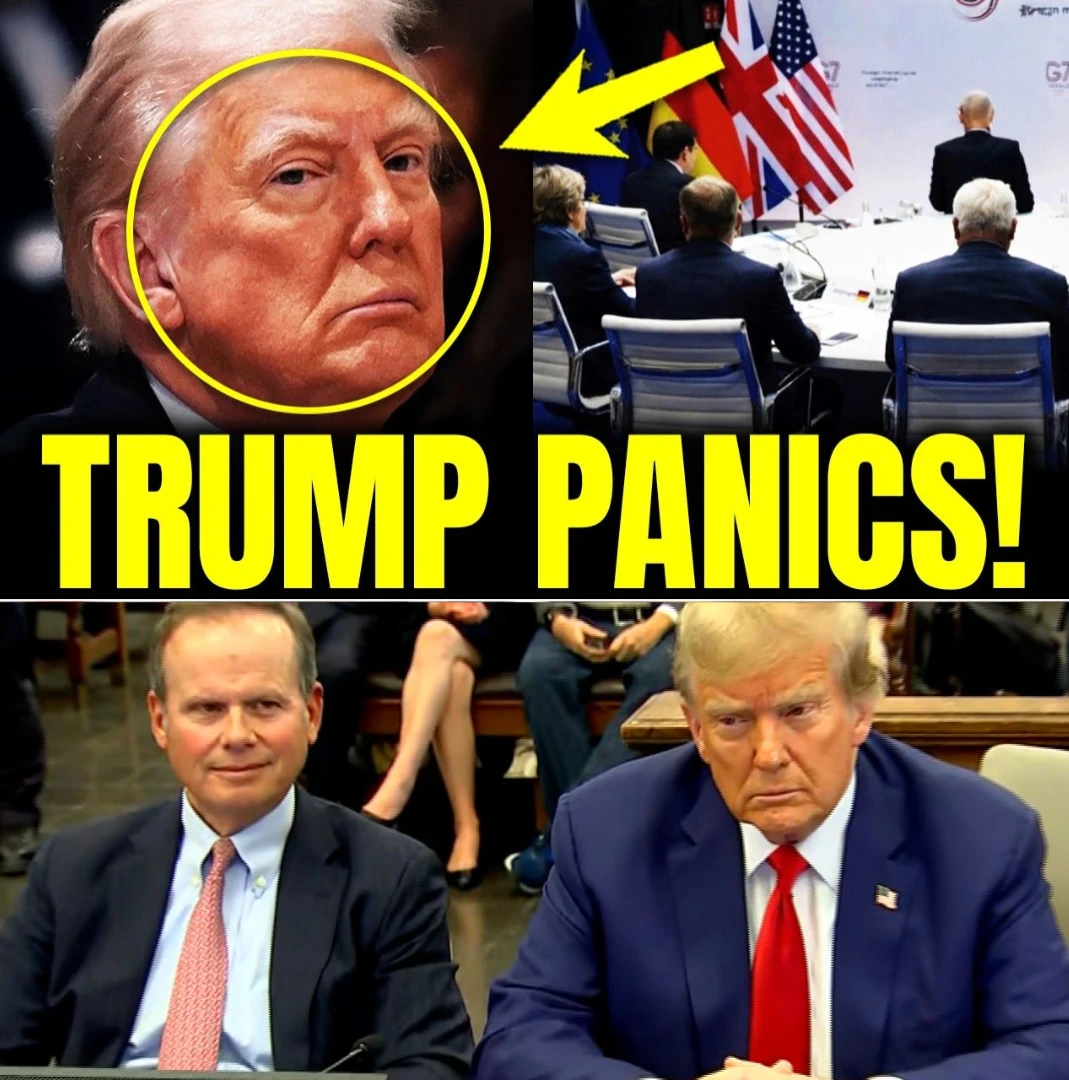
In late March 2026, a series of legal developments began converging into what many observers described as a defining institutional test. At the center stood Donald Trump, facing intensifying scrutiny across multiple fronts.
The first signal came from the Supreme Court. A request to appoint a special master to review sensitive documents linked to Mar-a-Lago was denied, allowing federal investigators to proceed without additional barriers or delay.
While procedural on the surface, the decision carried weight. It cleared a path for evidence already gathered to remain active within ongoing inquiries, reinforcing the judiciary’s willingness to maintain momentum in complex investigations.

Attention quickly shifted to a separate controversy—one involving disputed figures tied to military operations abroad. Official estimates placed costs at $8.2 billion, yet independent reviews suggested a significantly higher total.
The discrepancy, approaching $4 billion, raised immediate questions. Analysts pointed to categories that appeared underreported, including operational expenses, long-term care obligations, and intelligence-related costs embedded within broader budgets.
More consequential than the figures themselves was the implication. Internal communications, cited in reports, indicated that certain costs may have been excluded deliberately, potentially to limit political fallout and avoid heightened oversight.
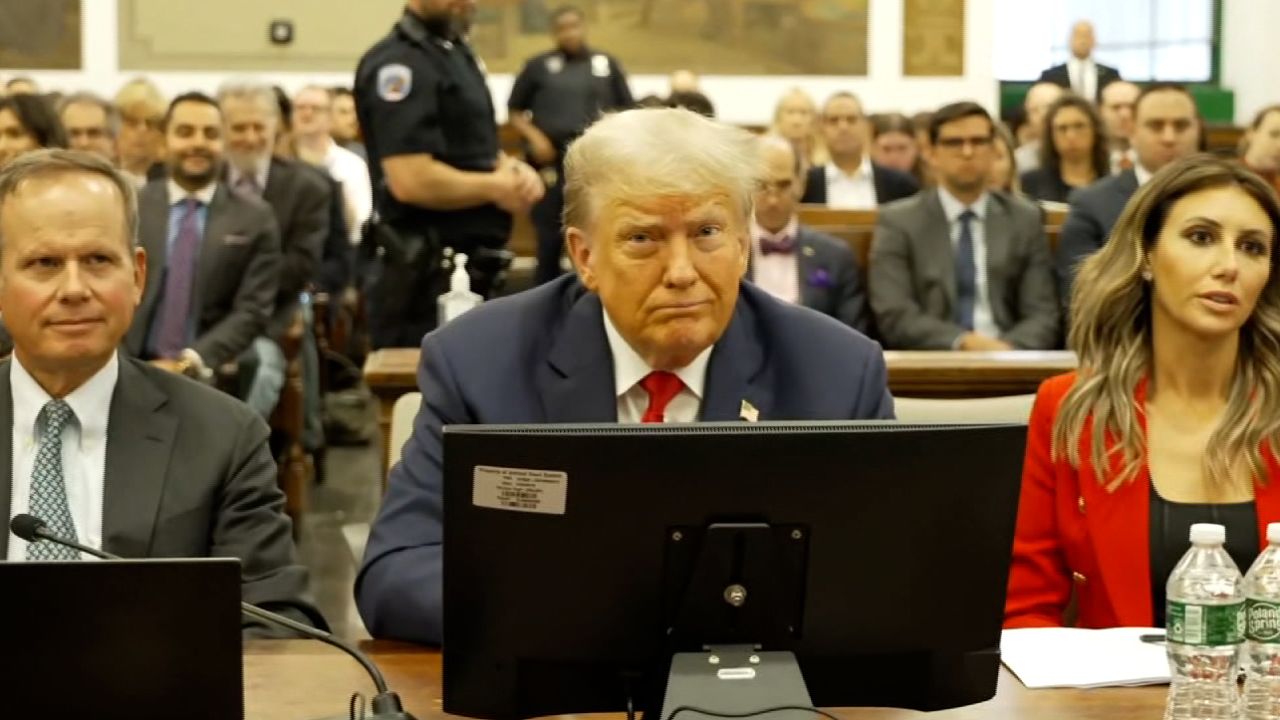
This transformed what might have been a technical accounting issue into something far more serious—an inquiry into transparency, responsibility, and the boundaries of executive authority in matters of national expenditure.
Judicial response followed swiftly. James Boasberg issued warnings regarding compliance with court directives, citing concerns about the accuracy and completeness of information provided to the court.
Allegations of misleading statements introduced the possibility of legal consequences extending beyond policy disputes. The issue was no longer confined to interpretation, but to whether obligations to the court had been fully met.
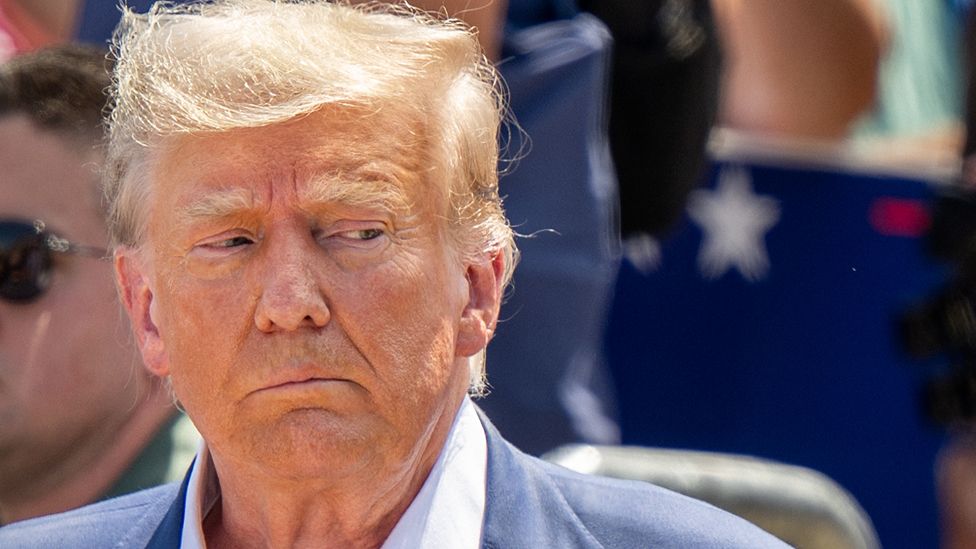
The tone across the judiciary appeared to shift. Reports suggested growing impatience among federal judges, with multiple cases nationwide highlighting repeated challenges in enforcing court orders related to government actions.
This broader pattern began to attract attention in Washington. Lawmakers and legal analysts increasingly viewed these developments not as isolated disputes, but as part of a larger tension between institutional roles.
Political implications followed naturally. Legal findings began intersecting with ongoing legislative processes, shaping debates and influencing the trajectory of discussions taking place within Congress.
For observers, the situation raised fundamental questions. Could established checks and balances function effectively under sustained pressure, particularly when legal, political, and administrative concerns converge so visibly?
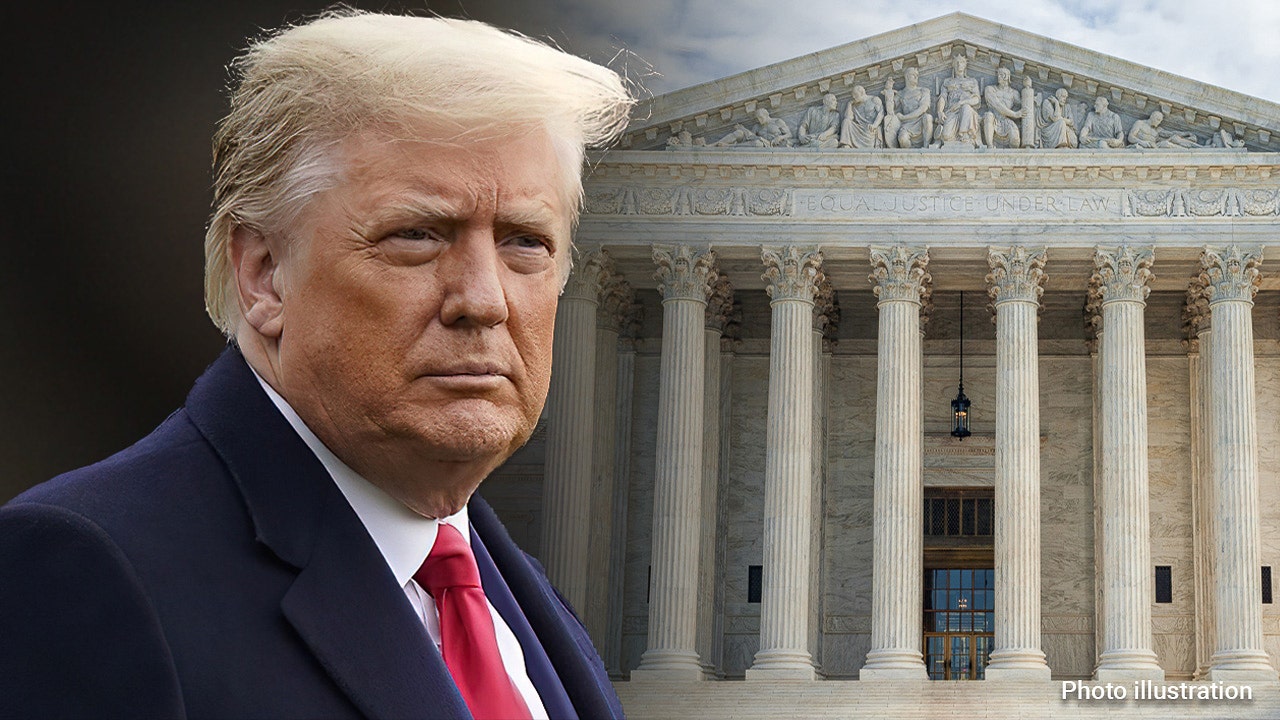
The answer remained uncertain. What was clear, however, was that the stakes extended far beyond individual cases or figures, touching the underlying principles that define accountability within the system.
In moments like these, the strength of institutions is tested not by routine decisions, but by how they respond to strain. The coming weeks promised further clarity—and potentially, further escalation.
As events continued to unfold, one reality stood out. This was no longer simply a legal matter. It had become a reflection of how power is exercised, challenged, and ultimately constrained within a modern democracy.