Warnings Ignored: Inside the Strategic Rift Between Donald Trump and America’s Military Command
In the early stages of the conflict with Iran, the divide between political leadership and military judgment became increasingly visible. At its center stood Donald Trump and a growing chorus of warnings that would soon prove difficult to dismiss.
Among the most striking elements were the forecasts issued by senior military officials. Dan Kaine outlined specific risks—clear, measurable outcomes that, at the time, appeared to be treated as cautious hypotheticals rather than imminent realities.
One prediction concerned the Strait of Hormuz, a vital artery for global energy flows. When disruption finally occurred, it sent immediate shockwaves through supply chains, validating earlier concerns about vulnerability and escalation.
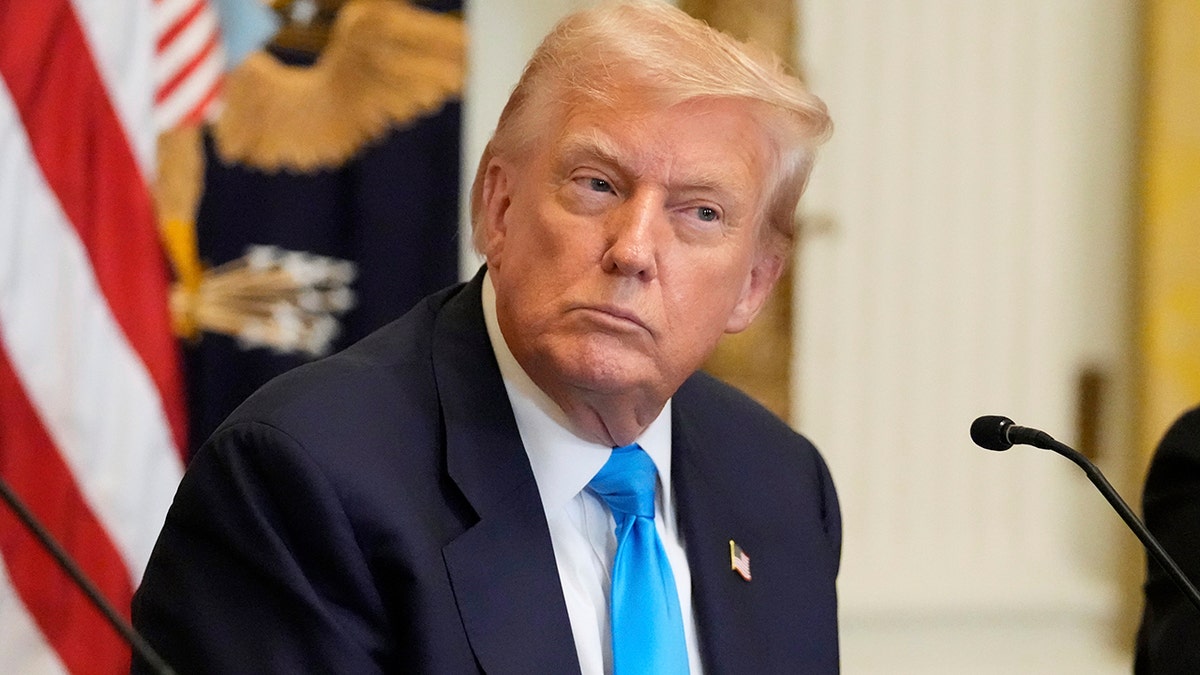
Another warning focused on resource sustainability. The rapid deployment of high-cost precision weapons quickly raised questions about long-term capacity, as usage rates began to outpace expectations in ways few had anticipated.
Equally consequential was the issue of allied support. Expectations of coordinated backing did not fully materialise, leaving the United States navigating a complex operational environment with fewer partners than initially assumed.
Meanwhile, Iran’s strategic posture revealed a different approach to modern conflict. Rather than relying on centralised command, it employed a decentralised framework designed to maintain resilience even under sustained pressure.
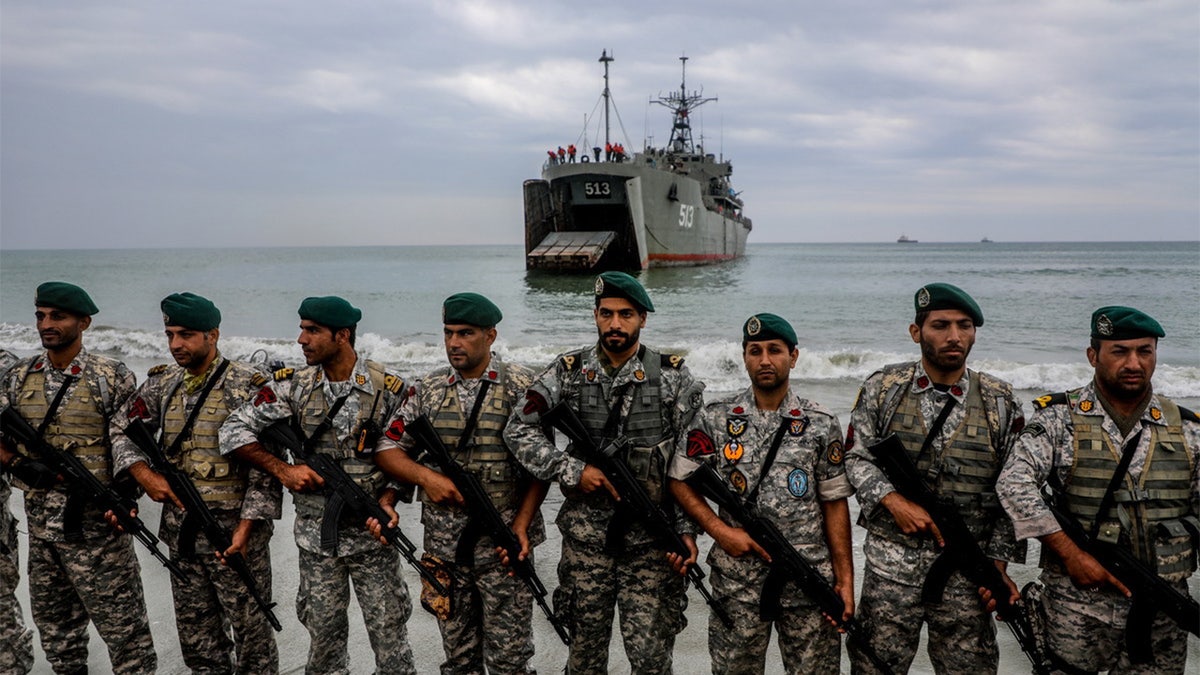
This “mosaic” structure allowed regional units to operate independently, complicating traditional targeting strategies and ensuring that disruption at one level did not necessarily translate into systemic collapse.
Retaliatory actions added another layer of complexity. Precision strikes targeting critical infrastructure signalled both capability and intent, reinforcing the idea that escalation would not remain confined to a single domain.
At home, questions emerged about preparedness. Decisions affecting cybersecurity staffing, made prior to the escalation, came under renewed scrutiny as digital threats intensified alongside physical operations.
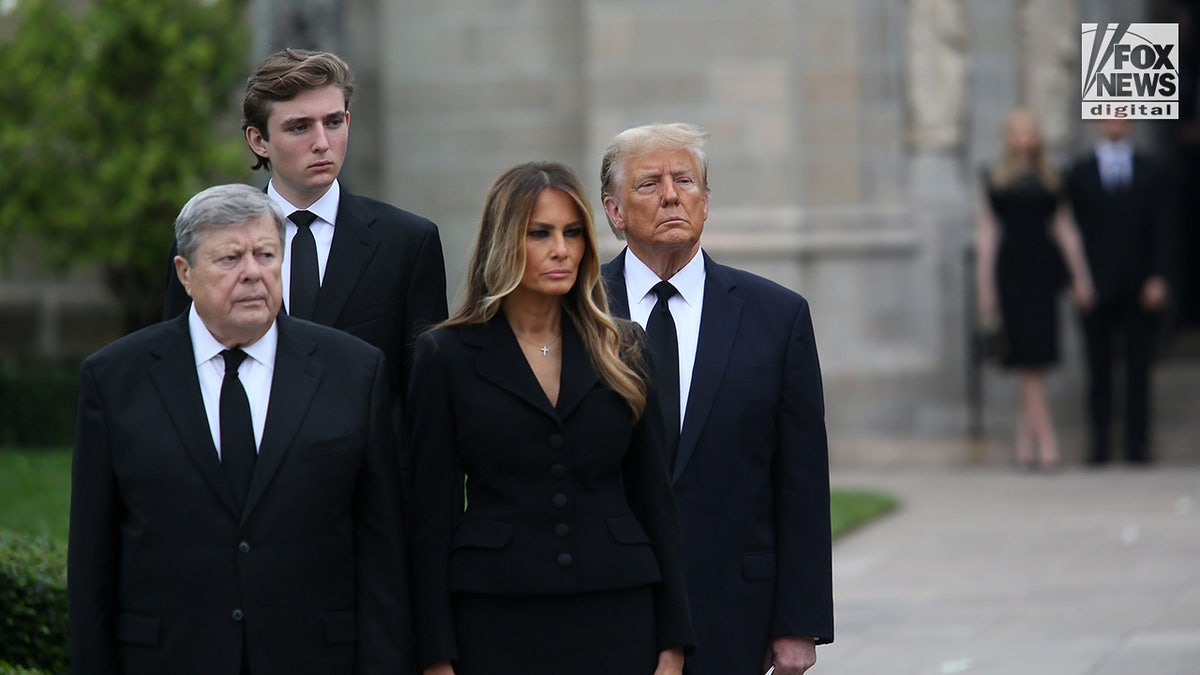
Leadership dynamics also entered the spotlight. Reports suggested internal shifts that prioritised alignment over dissent, raising concerns about whether critical perspectives were being sufficiently integrated into decision-making processes.
Strategic objectives appeared to narrow over time. Efforts increasingly centred on restoring stability to areas impacted by the conflict itself, highlighting a circular challenge—addressing consequences that stemmed directly from earlier choices.
Within this evolving landscape, perceptions of engagement became a topic of discussion. Accounts suggesting a waning focus at the highest levels contrasted sharply with the ongoing demands placed on military personnel in the field.

For analysts, the situation illustrated a broader tension: the gap that can emerge between strategic planning and political instinct, particularly in fast-moving, high-stakes environments.
The consequences were not confined to immediate outcomes. They extended into questions about readiness, alliance structures, and the adaptability of institutions under pressure.
As events continue to unfold, the central issue remains unresolved. When warnings are issued but not fully absorbed, their relevance does not diminish—it often returns, amplified by the realities they sought to prevent.