42 Days of Silence: Inside Washington’s Shutdown Spiral
Washington rarely moves quietly, but this time the noise masked something deeper. After a crucial funding bill collapsed in the House, the United States entered its 42nd day of government shutdown—an impasse exposing fractures within power itself.
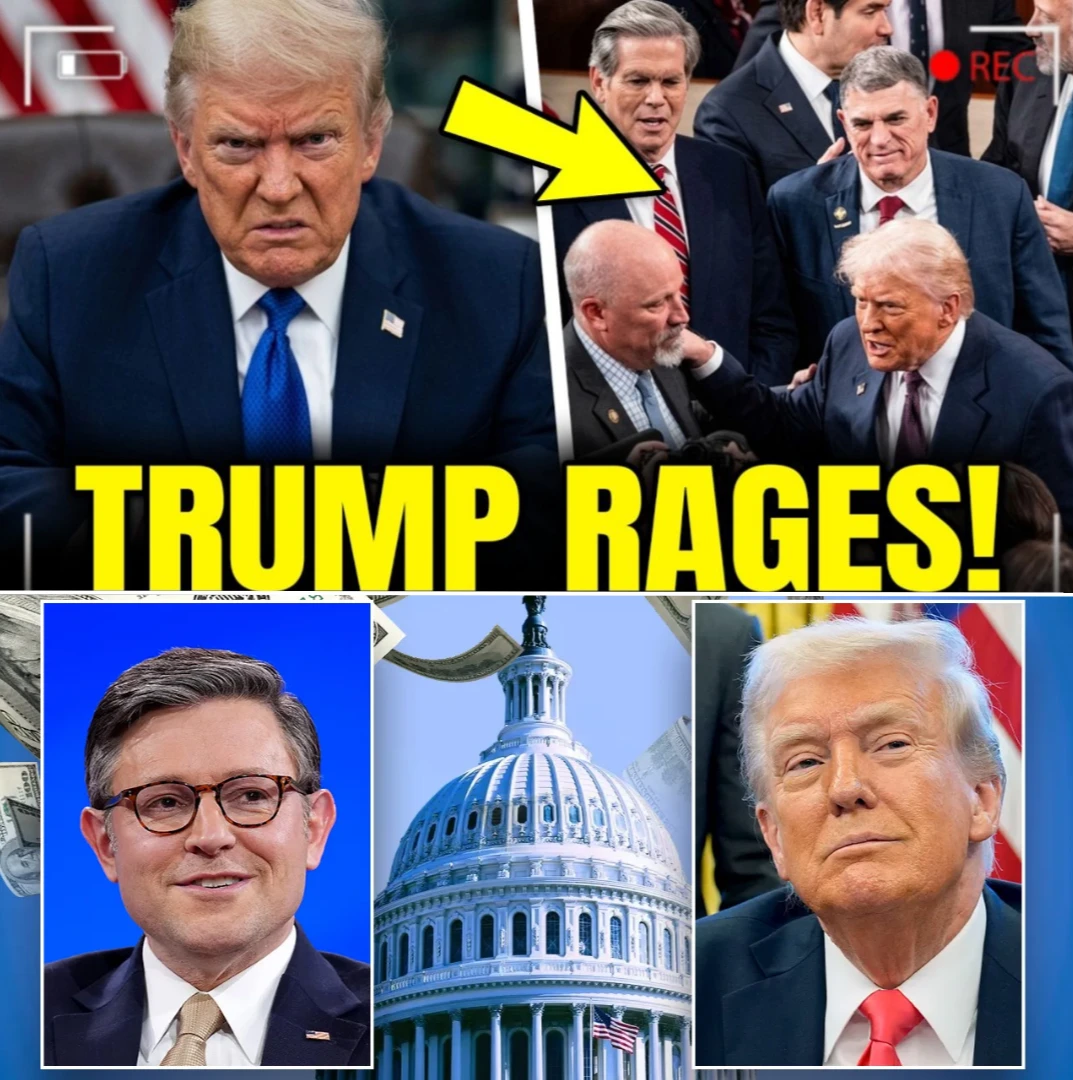
At the center stood Mike Johnson, who publicly condemned the Senate’s proposal as unacceptable. His remarks were sharp, urgent, and aimed squarely at what he described as dangerous policy concessions.
Yet the contradiction was immediate. The same bill had already passed the Senate with backing from Republicans, under the leadership of John Thune, revealing a breakdown not between parties, but within one.
When pressed for clarity, Johnson sidestepped. Instead of addressing the divide, he redirected attention toward Chuck Schumer, repeating his name as blame rather than explanation—an answer that raised more questions than it resolved.
The bill itself became a flashpoint. Sections suggested dramatic funding reductions for border enforcement agencies, including ICE and Customs and Border Protection, intensifying concerns about both policy direction and legislative coherence.
But beyond the chamber, consequences were no longer theoretical. The shutdown, now among the longest in U.S. history, began to reshape daily life for thousands of federal employees caught in the deadlock.
For Transportation Security Administration workers, the impact was immediate and personal. Many reported working without pay for weeks, while others simply left. Some turned to extreme measures just to meet basic living expenses.
Airports reflected the strain. Security lines stretched for hours, with wait times climbing to three, sometimes five hours. What had once been inconvenience edged closer to disruption, affecting travel, business, and public confidence alike.
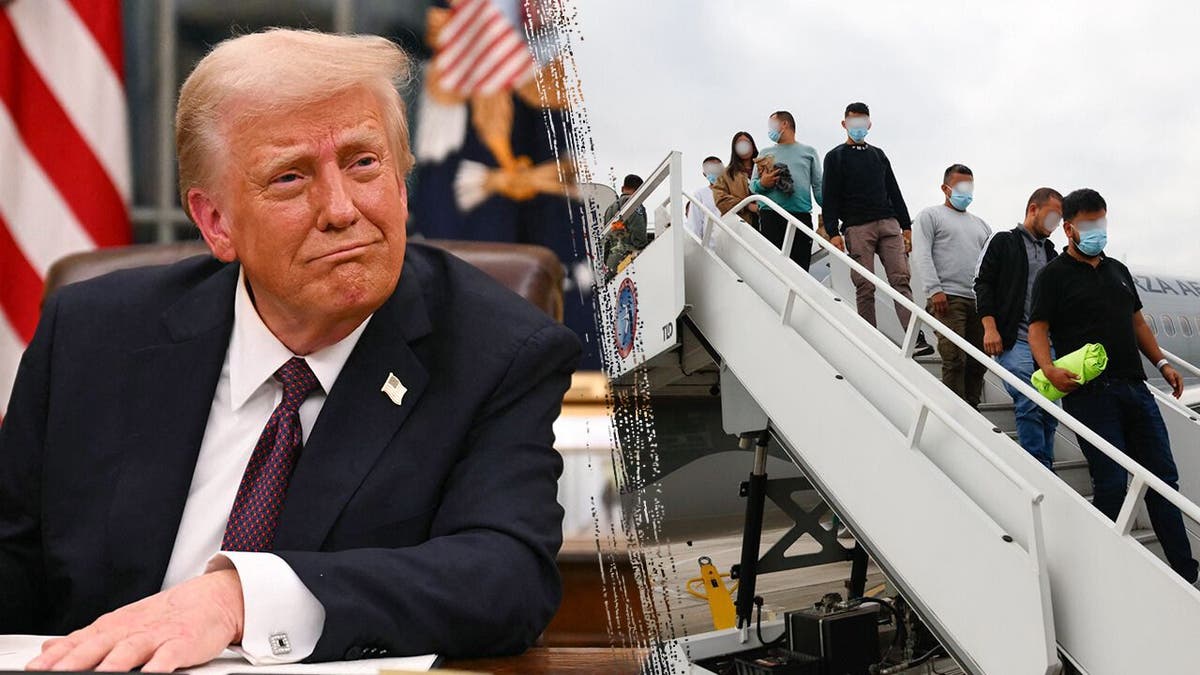
As pressure mounted, Donald Trump intervened with an executive order designed to restore pay for TSA employees. It was a temporary solution—but one that raised deeper constitutional concerns.

Traditionally, spending authority rests with Congress. By acting unilaterally, the executive branch signaled both urgency and dysfunction, highlighting how legislative paralysis was forcing unconventional—and controversial—workarounds.
Even then, the measure addressed only a fraction of the problem. TSA represented just one agency within the Department of Homeland Security, leaving others—from disaster response teams to coast guard units—still operating under strain.
The broader picture was unsettling. Instead of convergence, leaders appeared entrenched, focusing on political narratives rather than compromise. The longer the stalemate persisted, the more visible its human and institutional costs became.

Observers began to question whether the system itself was under stress. Not from a single event, but from a sustained inability to reconcile internal divisions at critical moments of governance.
After 42 days, the shutdown had become more than a budget dispute. It was a test of coordination, accountability, and resilience—one playing out not only in legislative halls, but in airports, households, and daily routines.
And as Washington continued to circle the problem, one reality stood firm: the cost of inaction was no longer abstract. It was measurable, visible, and growing with each passing day.