“No Kings” and the Power of Response: When Protest Meets Performance in Modern Politics
A recent video from Signal Feed explores a rapidly growing protest movement across the United States, raising questions not only about political messaging, but about how leaders respond in an age shaped by attention and amplification.
At the center of the story is Donald Trump, whose reaction to the “No Kings” demonstrations has drawn widespread notice. Rather than ignoring the movement, his response has been highly visible and deliberately provocative.
In several instances, Trump shared AI-generated images and videos portraying himself in exaggerated, symbolic roles. These posts appeared designed to counter the protest’s message while simultaneously drawing attention to it.

The strategy reflects a broader pattern. Instead of disengaging from criticism, Trump often meets it head-on, using bold or unexpected content to reshape the narrative and dominate the public conversation.
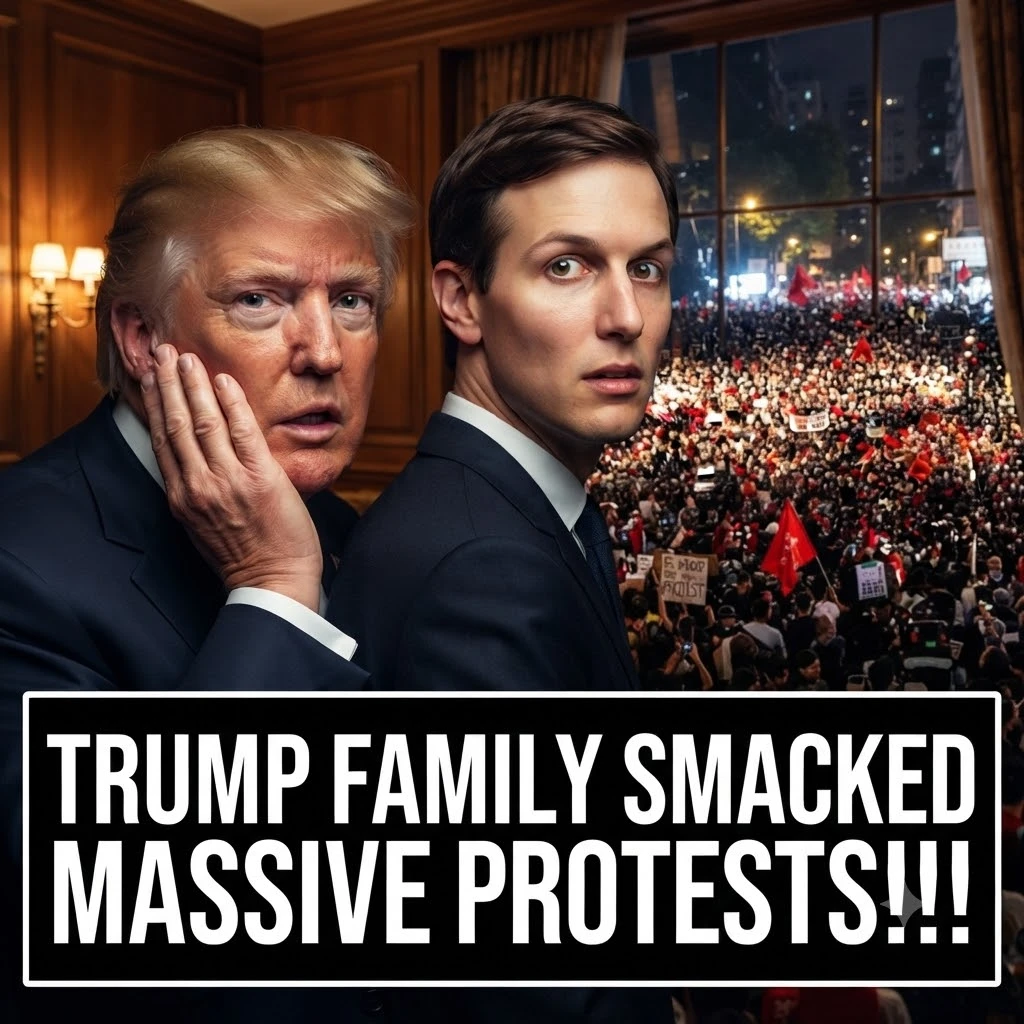
Meanwhile, the “No Kings” movement itself has expanded quickly. Demonstrations have taken place in thousands of locations, ranging from major cities to smaller communities, signaling a wide geographic spread of engagement.
Participants have framed their message around constitutional values, expressing concern over leadership style and policy direction. The phrase “No Kings” has become shorthand for a broader call emphasizing democratic accountability.

Reactions from political figures have varied. Some leaders have criticized the protests, while others have pointed to them as evidence of active civic participation. The divide reflects deeper disagreements about interpretation rather than the events themselves.
Adding another dimension, the John F. Kennedy Presidential Library and Museum awarded its 2026 Profile in Courage honor not to a public official, but to community members in Minnesota.
This departure from tradition highlighted the role of everyday citizens in shaping civic life. By recognizing grassroots efforts, the award underscored the idea that influence is not limited to formal positions of power.
Analysts suggest that the interaction between protest movements and political responses can create a feedback loop. As one side intensifies its message, the other responds in kind, increasing overall visibility and engagement.

In this case, heightened reactions from leadership may have contributed to expanding awareness of the movement. What might have remained localized instead became a national conversation, amplified across media platforms.
For lawmakers, such developments carry practical implications. Public attention can influence priorities, messaging, and decision-making, particularly when issues resonate across diverse communities.
For audiences in the US and UK, the situation offers a clear example of how modern political dynamics operate. Communication is no longer one-directional—it is interactive, immediate, and often shaped by reaction as much as intention.
As the movement continues and responses evolve, one question lingers: in a landscape driven by visibility, does reacting amplify opposition—or redefine it on entirely new terms?