Inside the Narrative Battle: How Airport Chaos Became a Political Flashpoint
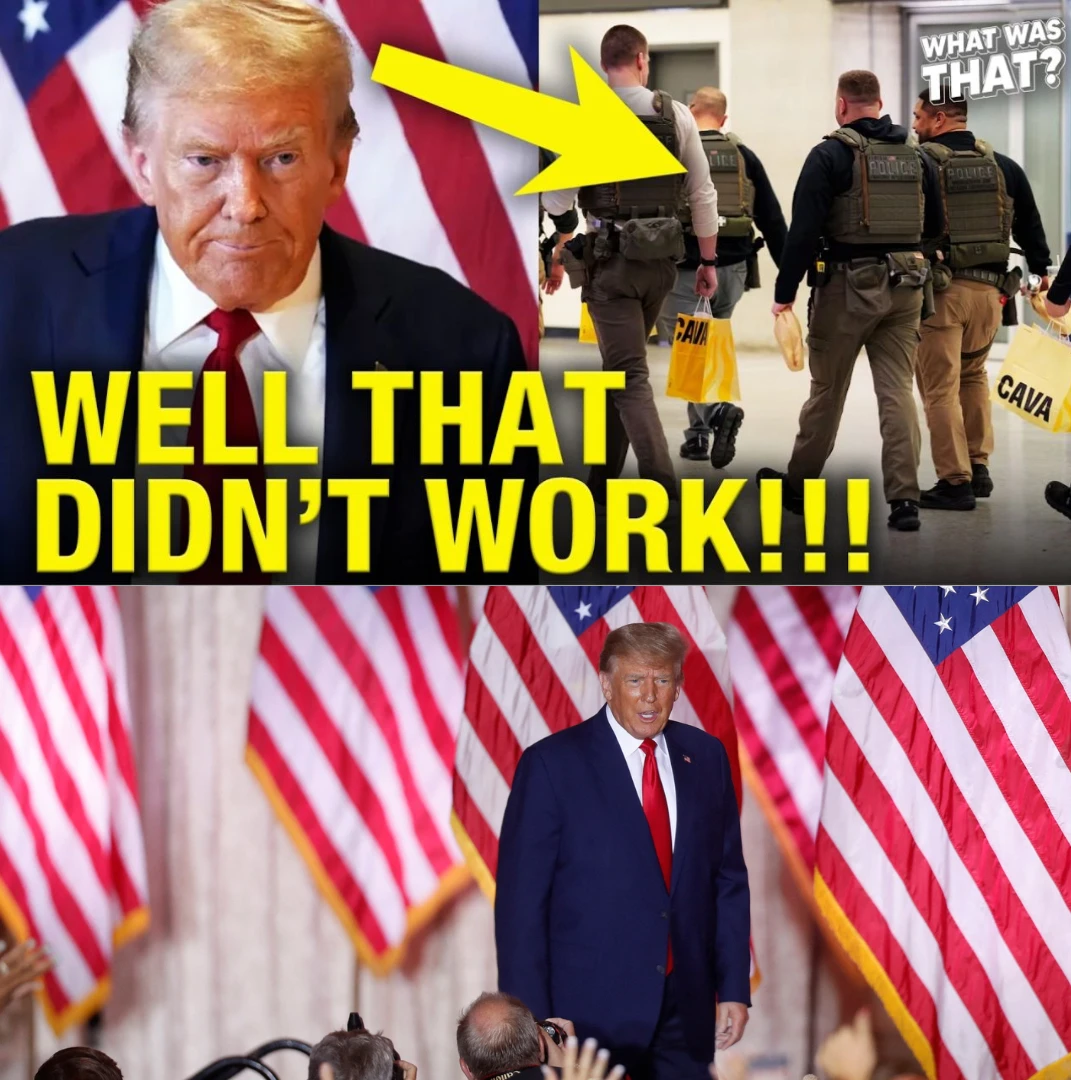
A recent video from MeidasTouch, hosted by Gabe Sanchez, has ignited debate by alleging a coordinated effort to reshape public perception during a moment of national disruption.
At the center of the claims lies a striking premise: that ongoing airport disruptions are not merely logistical failures, but part of a broader communication strategy tied to the administration of Donald Trump.
According to the video, staffing shortages within the Transportation Security Administration have led to unprecedented delays. Long lines and mounting frustration, it argues, created the perfect stage for a carefully timed intervention.
That intervention allegedly came in the form of expanded visibility for Immigration and Customs Enforcement. Agents appeared not in enforcement roles, but assisting travelers, offering guidance, and projecting a calmer, more approachable presence.
The video frames this shift as intentional. Rather than addressing systemic issues within airport security, it suggests resources were redirected to elevate a different narrative—one centered on reassurance, order, and human connection in a high-stress environment.
Images circulated online appeared to reinforce this tone. Clips of agents smiling, engaging with passengers, and providing support spread quickly, amplified across media ecosystems and social platforms with remarkable consistency.
One particularly viral story involved an alleged rescue of a child in distress at JFK Airport. However, the video raises questions about the lack of independent verification, noting the absence of widely shared eyewitness accounts.
Beyond individual moments, the broader implication is more strategic. The video argues that such portrayals may serve to recalibrate public perception of enforcement agencies long associated with more controversial operations.
In this interpretation, visibility becomes influence. By embedding agents in everyday civilian spaces under positive circumstances, the narrative shifts from authority to assistance—subtle, but potentially powerful in shaping opinion over time.
The discussion then extends into electoral implications. Referencing remarks attributed to Steve Bannon, the video suggests these deployments could function as a form of institutional rehearsal for future domestic roles.
Specifically, it raises concerns about the potential presence of federal agents in proximity to voting environments. While framed as preventative or protective, critics argue such visibility could carry unintended psychological effects on voters.
Legal tensions have also surfaced. Larry Krasner publicly warned that unauthorized actions within state jurisdiction could trigger consequences, emphasizing the limits of federal authority in local contexts.
All of this unfolds against a backdrop of shifting public sentiment. Economic pressures and foreign policy debates have contributed to fluctuating approval dynamics, intensifying scrutiny over every visible move by federal institutions.
For observers across the US and UK, the situation underscores a familiar reality: modern politics is not only shaped by policy, but by perception—where optics, timing, and narrative can carry as much weight as decisions themselves.
As airport lines stretch and cameras keep rolling, one question lingers beneath the surface—where does governance end, and storytelling begin?