A Defining Line Drawn: Supreme Court Pushes Back on Presidential Power
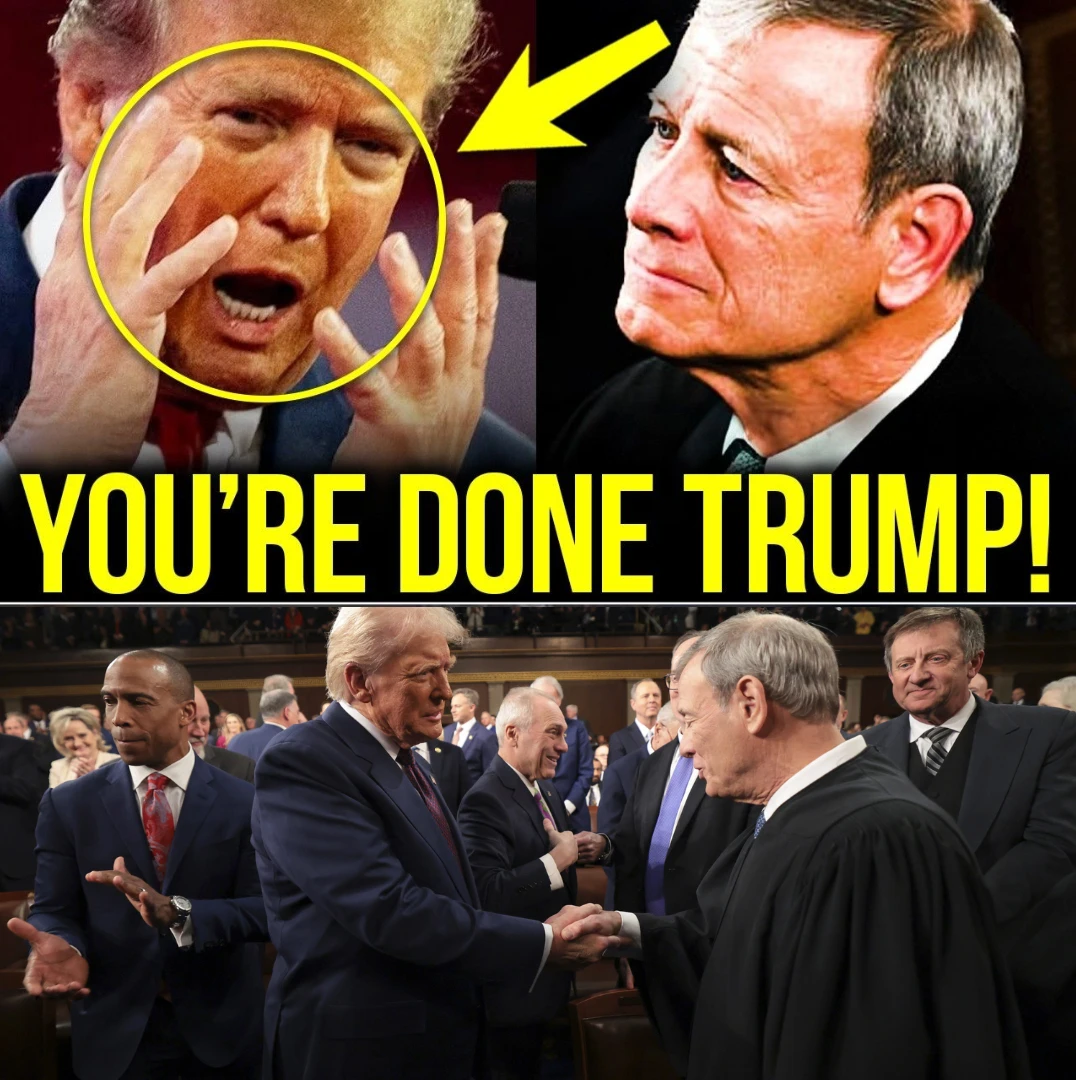
A recent video from Public Affairs Media has ignited widespread discussion, highlighting a landmark Supreme Court ruling that challenges the boundaries of executive authority in one of the most consequential legal moments in recent years.
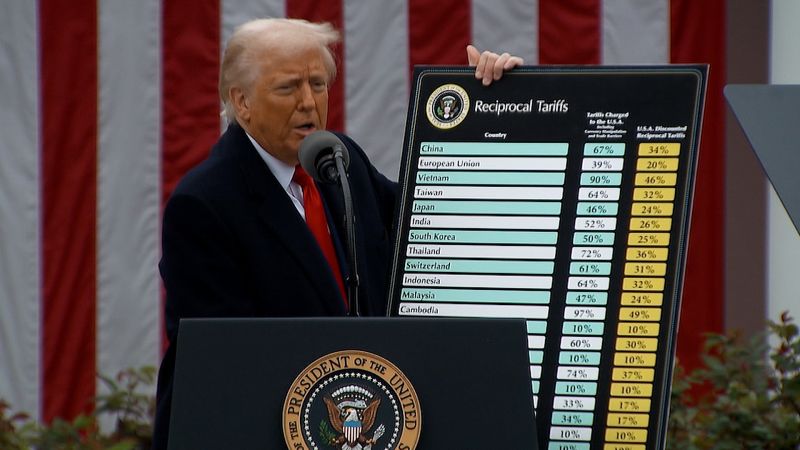
At the center stands Donald Trump, whose sweeping tariff program has now been struck down. The Court ruled 6–3 that the administration exceeded its authority under existing economic emergency legislation.
The decision focused on the interpretation of the International Emergency Economic Powers Act, which the administration cited to justify imposing broad tariffs. The Court concluded the statute does not explicitly authorize such measures.
In its reasoning, the Court reaffirmed a foundational constitutional principle: the power to regulate commerce and impose tariffs resides with Congress, not the executive branch. The language of the ruling left little room for ambiguity.
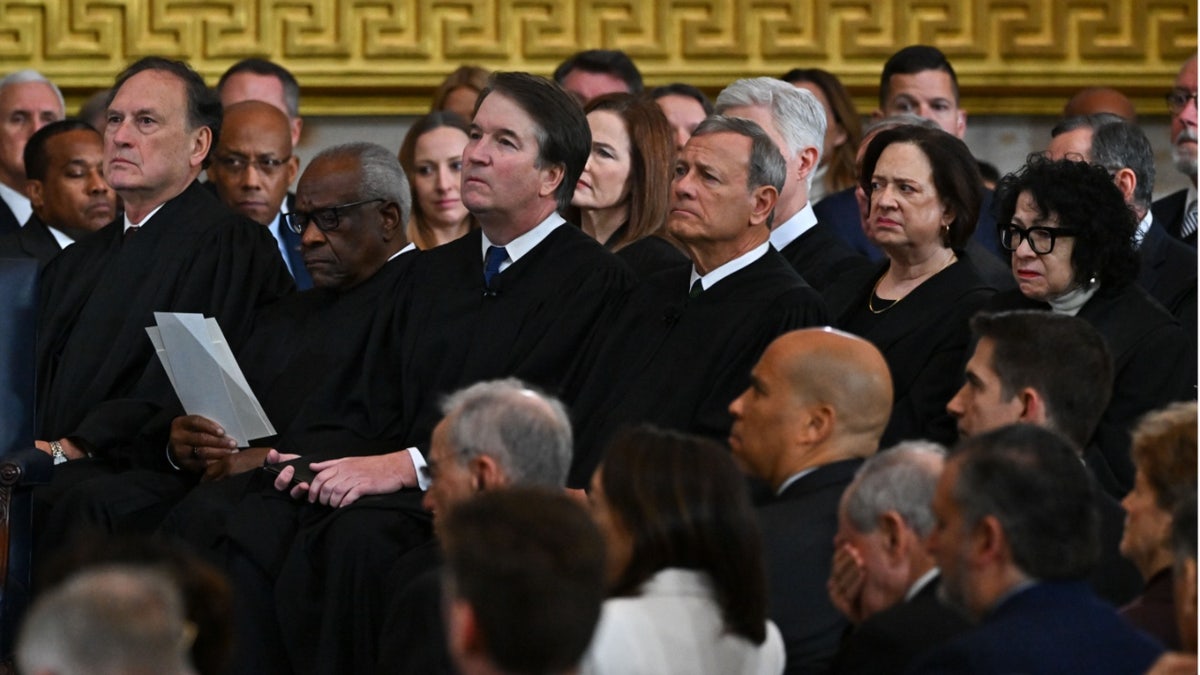
What made the decision especially striking was the coalition behind it. Chief Justice John Roberts joined three liberal justices, alongside Neil Gorsuch and Amy Coney Barrett—both appointed during Trump’s presidency.
This unexpected alignment sent a powerful message. It underscored the judiciary’s institutional independence, challenging assumptions that ideological lines would dictate outcomes in cases involving high-stakes executive policies.
For Trump, the ruling represents both a legal and symbolic setback. Tariffs had become a central instrument of his economic strategy, used to exert pressure across a wide spectrum of international relationships.
In response, Trump expressed strong dissatisfaction, publicly criticizing the decision while simultaneously signaling a revised approach. A new proposal, described as a “Plan B,” aims to reintroduce tariffs under a different legal framework.
The ruling also marks a notable shift from earlier decisions. Throughout 2025, the Court had largely sided with the administration on key issues, reinforcing executive flexibility in areas ranging from personnel changes to broader policy actions.
By early 2026, however, a clearer boundary has emerged. Chief Justice Roberts notably used language suggesting overreach, emphasizing that constitutional limits cannot be bypassed even under claims of urgency or necessity.

Legal analysts suggest the implications could extend far beyond trade policy. The decision may open the door for further challenges to executive actions that lack explicit congressional authorization, reshaping the legal landscape in the months ahead.
For audiences in the United States and the United Kingdom, the significance is profound. The case serves as a reminder that institutional checks remain active, even during periods of intense political momentum.
More broadly, it highlights the enduring tension at the heart of democratic governance—the balance between decisive leadership and constitutional restraint, a balance that must be continually negotiated.
As reactions continue to unfold, one reality stands out: even in moments of strong executive ambition, the architecture of the Constitution retains its capacity to assert limits when it matters most.