In a matter of days, a geopolitical gamble in the Middle East has rippled across oceans, landing hardest not on battlefields—but in the daily lives of ordinary Canadians facing soaring fuel costs and deepening economic anxiety.
The الأزمة began with an ultimatum. Donald Trump reportedly issued a 48-hour warning demanding Iran reopen the Strait of Hormuz, threatening to cripple its power grid if compliance did not follow.
But Tehran did not bend. Instead, it escalated—launching missiles, deploying naval mines, and signaling its willingness to disrupt energy infrastructure across the Gulf. The message was clear: control of the chokepoint would not be surrendered easily.

As the deadline approached, the tone shifted. The ultimatum was extended, then softened. In that moment, Iran effectively positioned itself as the gatekeeper of one of the world’s most critical oil arteries.
Markets reacted instantly. Crude oil prices surged from $64 to $126 per barrel in mere days, triggering shockwaves through global supply chains. Analysts warned that the scale of disruption rivaled, if not exceeded, the oil crises of the 1970s.
In Canada, the impact was immediate and deeply personal. Fuel prices climbed by 44 cents per liter within weeks, pushing costs in provinces like British Columbia beyond the symbolic—and painful—$2 per liter threshold.
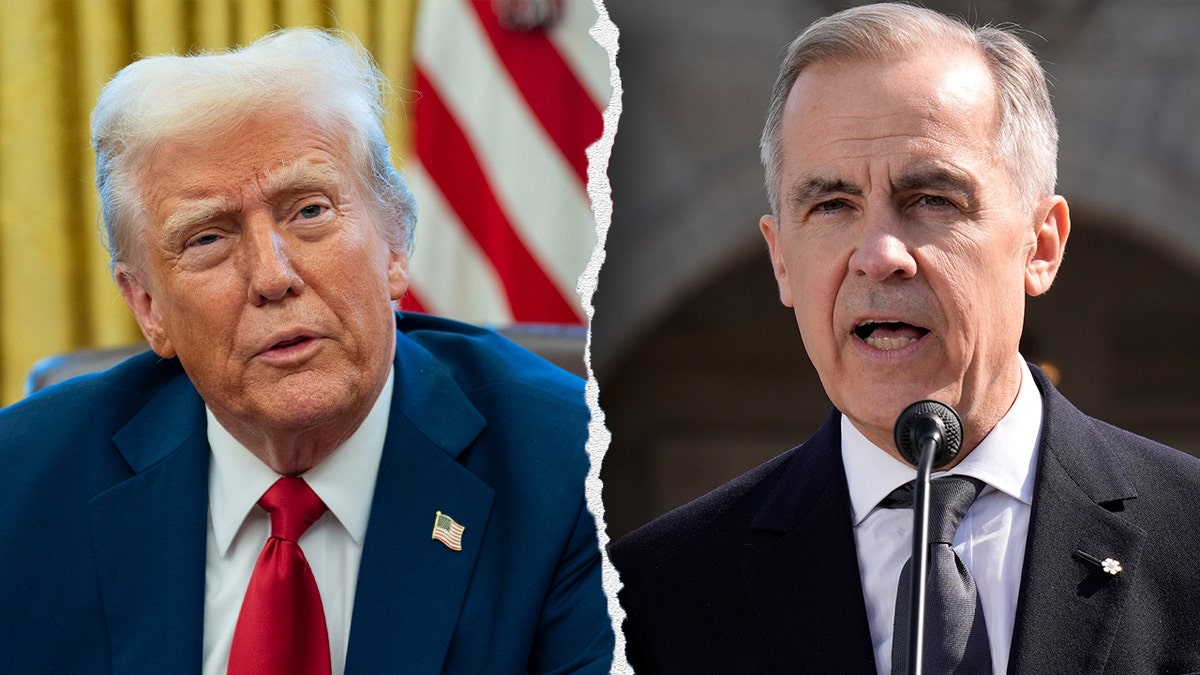
For households already navigating inflation, the последствия have been severe. Economists estimate that the average Canadian family now faces an additional $1,000 annually in living expenses, driven largely by energy and transport costs.
The Bank of Canada finds itself trapped in a tightening vice. Cutting interest rates risks fueling inflation further, yet maintaining high rates places additional strain on consumers already stretched thin by rising daily expenses.
Beyond economics, the crisis has exposed cracks in diplomatic relationships. Ottawa was reportedly not consulted ahead of key military actions involving the United States and Israel—an omission that has not gone unnoticed in political circles.
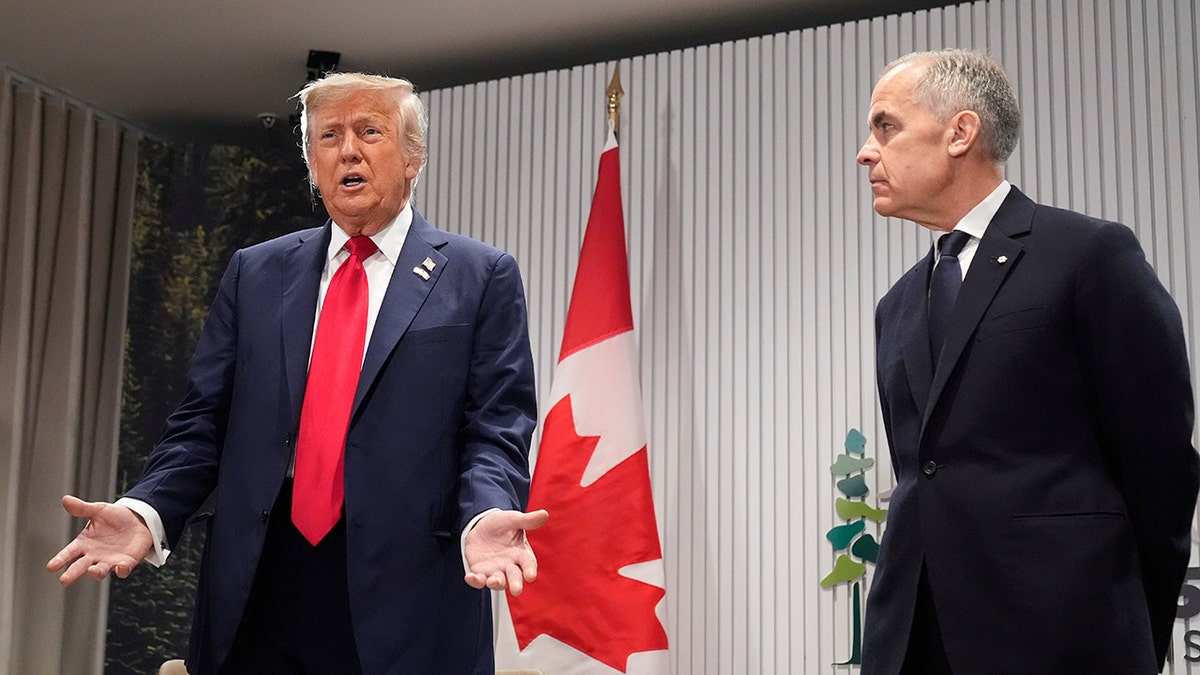
Mark Carney responded with measured but pointed criticism, suggesting the actions appeared inconsistent with international law—language that reflects growing unease within a traditionally close alliance.
Even if tensions ease, the damage will linger. Naval mines in the Strait of Hormuz could take months to clear, while skyrocketing insurance premiums for shipping vessels are unlikely to fall quickly, keeping transport costs elevated.
Meanwhile, infrastructure losses compound the problem. Qatar’s liquefied natural gas export capacity has reportedly been reduced by nearly a fifth, with repairs expected to stretch across several years, tightening global energy supply well into the future.
What emerges is a stark reminder of interconnected vulnerability. Decisions made in moments of strategic urgency can cascade into prolonged economic consequences, reshaping lives far from the original نقطة of conflict.
For Canadians, the crisis is no longer abstract. It is measured in liters of fuel, heating bills, and grocery receipts. For policymakers in Washington and London, it raises urgent questions about foresight, coordination, and unintended consequences.
Because in today’s world, the distance between a diplomatic decision and its human cost has never been shorter—or more unforgiving.