A Resignation That Echoed Through Washington: Inside the Rift Over War, Power, and Loyalty
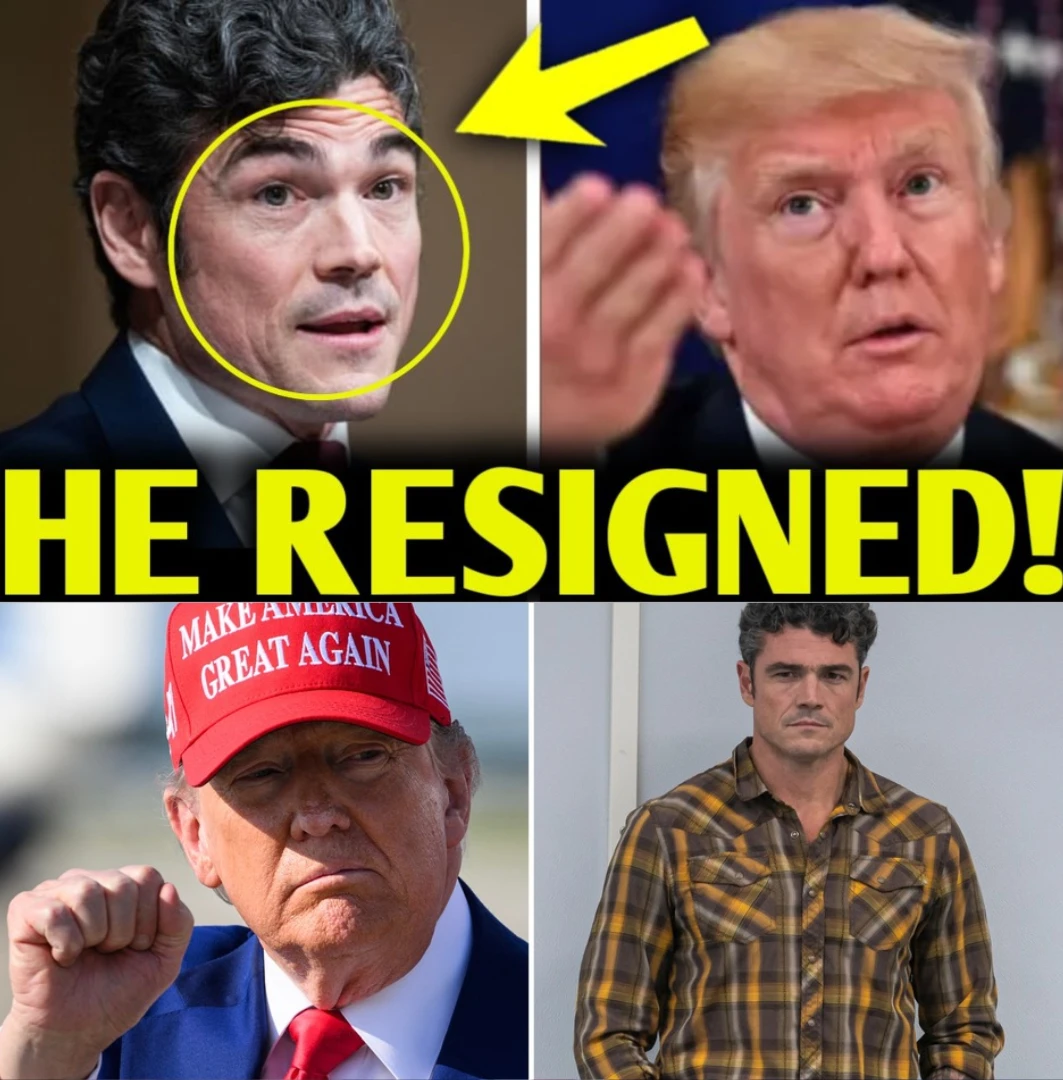
At first, it seemed like another turbulent afternoon in Washington. Then Joe Kent resigned. Within minutes, what began as a personnel change spiraled into a political shockwave, reverberating through Capitol corridors already tense with uncertainty.
Kent was no ordinary official. A former Green Beret with deep counterterrorism credentials, he had been trusted with one of the most sensitive roles in national security. His sudden departure carried weight far beyond symbolism.
In his resignation letter, Kent did something few insiders dare to do—he challenged the very premise of an ongoing military conflict. He argued that Iran posed no imminent threat to the United States, undercutting the central justification for action.
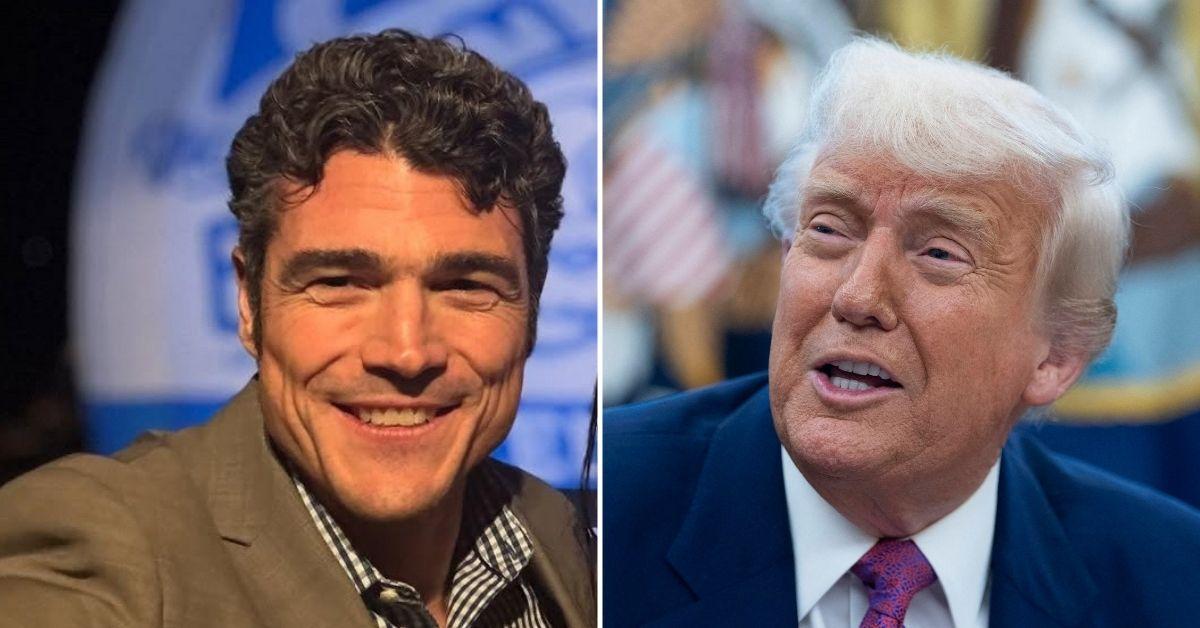
That claim alone would have sparked debate. But Kent went further, alleging that the push toward confrontation was influenced by external pressure, including powerful pro-Israel lobbying forces. The accusation landed like a political grenade in Washington.
The White House moved quickly to contain the fallout. Officials dismissed Kent’s statements as baseless and offensive, attempting to reframe the narrative before it could gain traction among lawmakers or the public.
Yet the damage had already begun. Legal scholars and policymakers seized upon Kent’s assertion, raising urgent questions about the War Powers Resolution and whether constitutional limits on executive authority had been quietly overstepped.

Inside Congress, murmurs grew louder. Some Democratic lawmakers began exploring whether Kent’s revelations could form the basis of impeachment discussions, signaling a potential escalation from political controversy to constitutional confrontation.
Meanwhile, the reaction from Donald Trump added another layer of volatility. Once a vocal supporter of Kent, Trump now publicly condemned him as weak on national security, a sharp reversal that underscored the fluid nature of political loyalty.
This abrupt shift did not go unnoticed. For many observers, it highlighted a deeper fracture within Trump’s political base—between those who favor assertive military engagement and those increasingly wary of foreign entanglements.
Beyond Washington, the implications spread quickly. Allies questioned the stability of U.S. strategy, particularly as tensions with NATO partners intensified over their reluctance to support operations in the Persian Gulf.
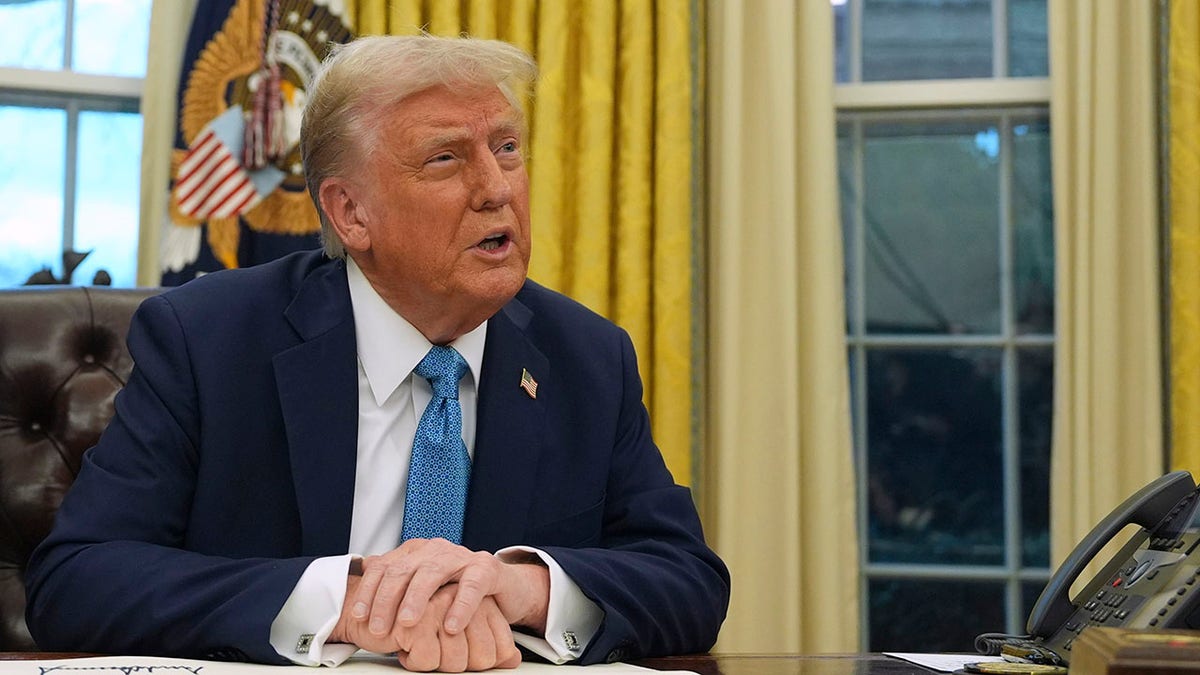
At the same time, an unexpected warning toward Cuba introduced a new variable into an already volatile geopolitical landscape. The suggestion of another potential flashpoint only heightened concerns about strategic overreach.
Markets, though often insulated from political rhetoric, showed signs of unease. Investors watched closely as uncertainty mounted, aware that geopolitical instability can ripple into economic consequences with startling سرعت.
But beneath the headlines lies a more enduring question. Kent’s resignation was not merely an act of dissent—it was a signal that internal consensus, once assumed in matters of national security, may be fracturing in real time.
For readers on both sides of the Atlantic, the episode offers a stark reminder. Power, when exercised without broad agreement, invites scrutiny. And in moments like these, a single voice from within can reshape the entire conversation.