Shockwaves in the Gulf: How a Sudden Military Shift Is Testing America’s Global Power

In the space of days, a series of coordinated strikes has shaken the foundations of America’s military posture in the Middle East, forcing officials to confront a reality few anticipated: the region’s long-standing strategic balance is no longer stable.
At least seventeen U.S. military facilities across the Gulf have reportedly suffered significant damage, with losses estimated beyond $800 million. Precision attacks—widely attributed to Iran—targeted critical infrastructure, disrupting operations that once defined American dominance in the region.
In Kuwait, the port of Shuiba and nearby bases became flashpoints, with fuel depots and maintenance hubs struck directly. Reports of casualties, including American personnel, underscore the severity of an escalation that has moved beyond symbolic confrontation.
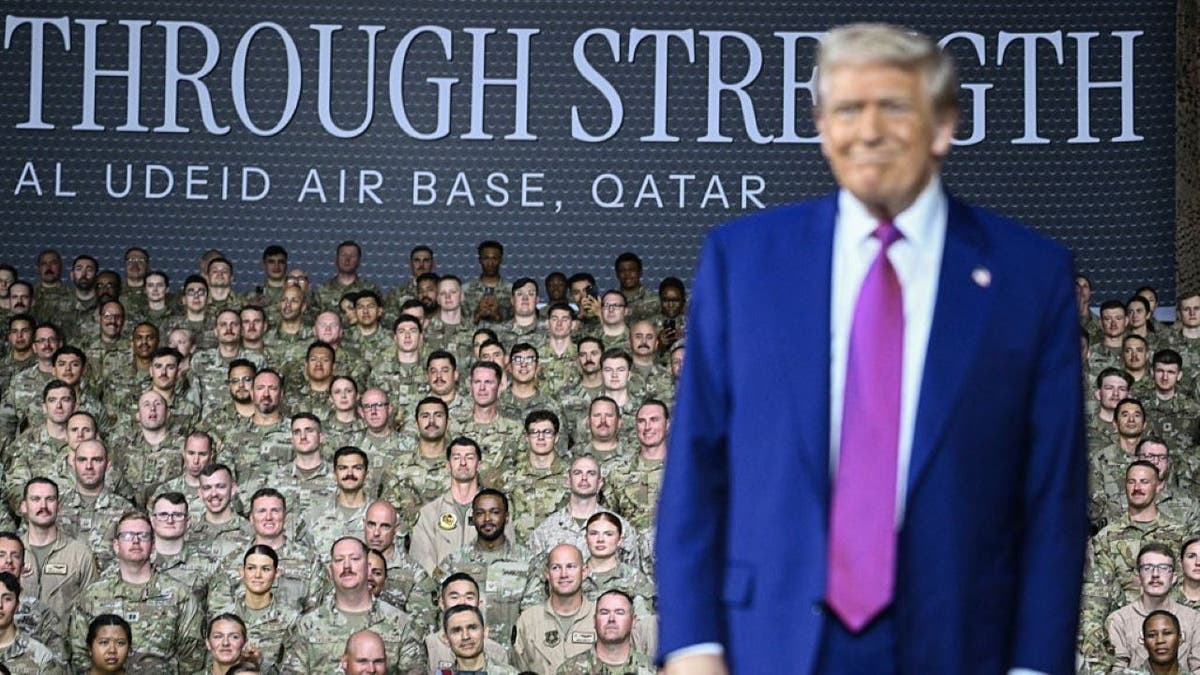
Further south, Qatar’s Al-Udeid Air Base—home to U.S. Central Command—faced damage to its advanced radar systems. In Bahrain and Saudi Arabia, strikes on communications equipment and aerial refueling assets have complicated coordination across air and naval operations.
The consequences have been immediate and deeply unsettling. Portions of the U.S. command structure have been forced to relocate, in some cases operating temporarily from commercial hotels and civilian office spaces—an extraordinary adjustment for a military accustomed to fortified installations.
Behind the scenes, a broader geopolitical layer is emerging. Reports from major Western outlets suggest Russia may have provided intelligence support to Iran, including high-resolution satellite data and drone technology, amplifying the precision and impact of the attacks.
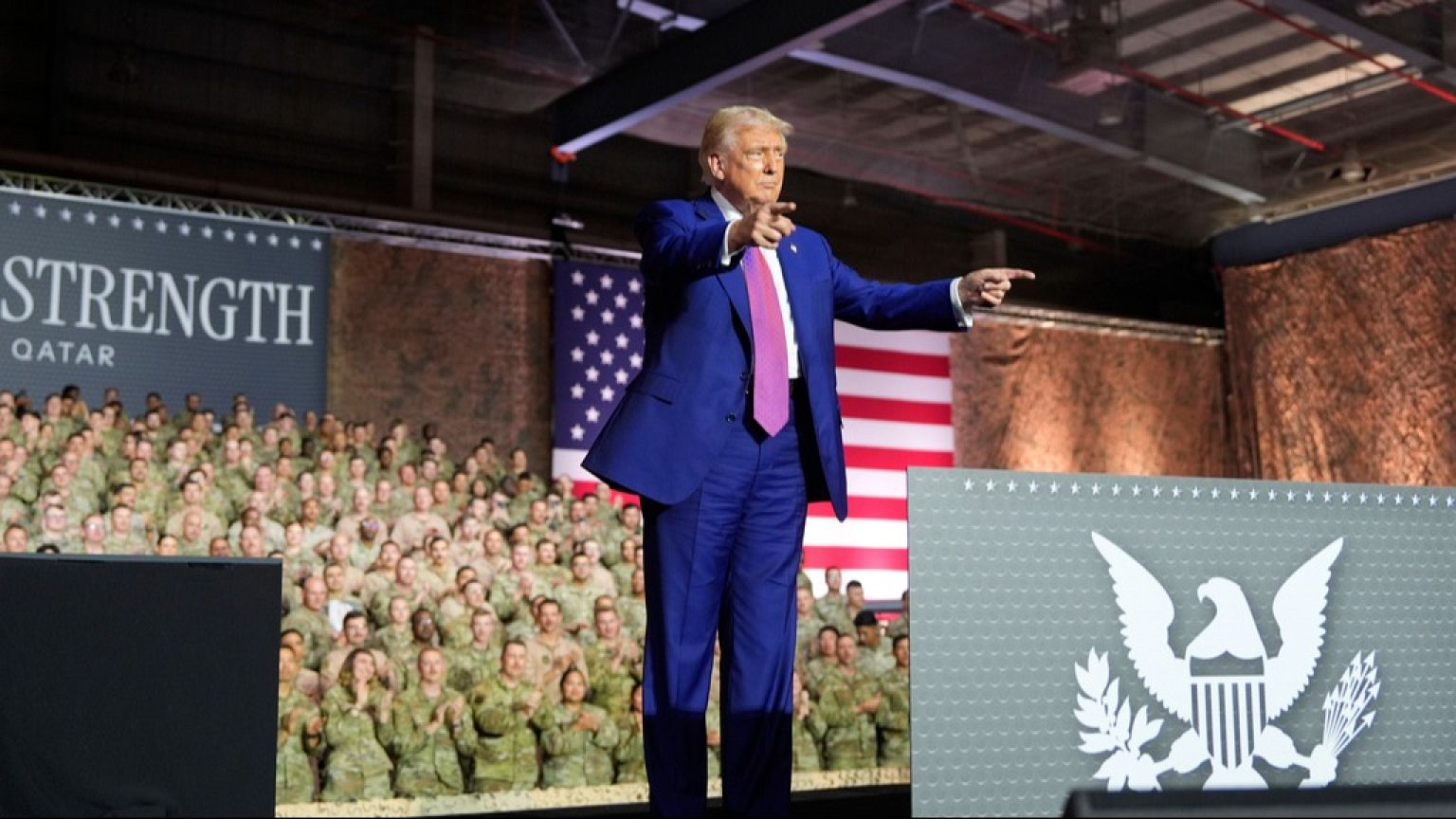
:max_bytes(150000):strip_icc():focal(749x0:751x2)/trump-troops-051525-b41d9a9dfd064852a20a43ca3536f6bb.jpg)
The Caspian Sea corridor has reportedly served as a discreet supply route, enabling the transfer of equipment while avoiding traditional surveillance channels. Allegations of conditional bargaining—linking Middle East support to U.S. policy in Ukraine—have further complicated the narrative.
Meanwhile, the ripple effects are being felt far beyond the battlefield. Instability in the Strait of Hormuz has triggered energy disruptions, with fuel shortages reported as far away as Australia, and concerns rising in Taiwan over dwindling liquefied natural gas reserves.
The crisis is also exposing fractures within U.S. foreign policy. Critics argue that earlier decisions, including shifts in sanctions policy, may have inadvertently strengthened adversarial capabilities, raising difficult questions about long-term strategic coherence.
Diplomatic tensions are intensifying. Regional allies including Saudi Arabia, the United Arab Emirates, and Bahrain have issued strong condemnations of Iranian actions, while Iraq’s government has taken a more ambiguous stance, permitting retaliatory measures against U.S. positions.
At the same time, political developments elsewhere are adding layers of complexity. High-level visits within Europe, particularly to nations with closer ties to Moscow, are being closely watched as indicators of shifting alliances within traditionally unified blocs.
What emerges is not a single crisis, but a convergence of pressures—military, اقتصادی, and diplomatic—testing the resilience of American influence. The familiar architecture of power in the Middle East appears increasingly fragile, its assumptions under strain.
For observers in Washington, London, and beyond, the question is no longer whether change is underway—but how far it will go. Because in moments like this, history rarely pauses.
It accelerates.