After the Ruling: How a Supreme Court Defeat Triggered a Legal Chain Reaction Around Trump’s Administration
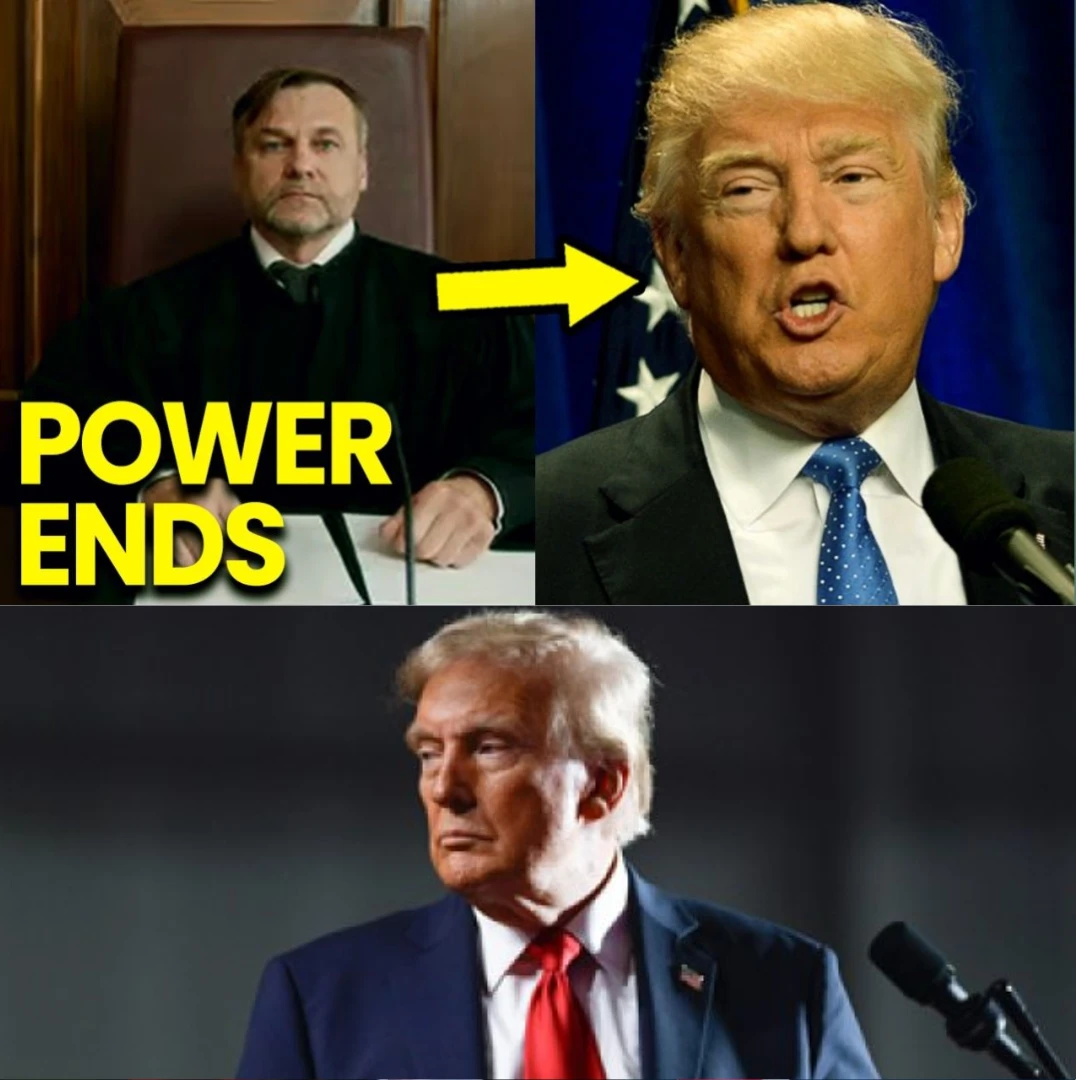
When the U.S. Supreme Court struck down sweeping emergency tariffs imposed by Donald Trump, the decision did more than halt a controversial policy—it ignited a legal chain reaction now rippling across courts, corporations, and global institutions.
In a rare and decisive 6–3 ruling, the Court concluded that the administration had overstepped its authority, rejecting the argument that the tariffs were justified under emergency powers. The judgment was widely seen as a sharp constitutional rebuke.
For Neal Katyal, who led the challenge, the victory was not personal but structural. It reaffirmed a foundational principle: that even the most powerful office in the country remains bound by law.
The plaintiffs were not corporate giants, but small businesses—companies forced to absorb unpredictable tariff costs that disrupted supply chains and threatened survival. Their legal challenge transformed private strain into a public constitutional test.
Yet the ruling did not end the matter. Instead, it opened a far more complex chapter. Within days, 24 states filed fresh lawsuits, arguing that alternative tariff measures still violate the same constitutional boundaries the Court had just reinforced.
At the same time, corporations including FedEx initiated refund litigation over more than $130 billion in collected tariffs. These cases carry extraordinary implications, as they force administration officials to testify under oath during discovery proceedings.
This process may prove pivotal. Unlike public hearings or political messaging, discovery exposes internal communications, revealing how decisions were made and whether officials knowingly operated within legally questionable frameworks.
Beyond economic policy, the legal scrutiny is expanding into national security. Scholars have warned that a potential Supreme Court case on presidential war powers could extend accountability beyond the president to senior cabinet officials directly involved in decision-making.
Such a development would mark a profound shift. It would place not only executive authority under review, but the collective actions of defense, intelligence, and advisory leadership—raising the stakes from policy disputes to systemic constitutional evaluation.

Adding to the tension is growing discussion within international legal circles. Reports indicate that U.S. officials are actively seeking assurances against potential prosecution at the International Criminal Court, reflecting concern over broader accountability risks.
Whether these concerns materialize remains uncertain, but their existence underscores the expanding scope of scrutiny. What began as a domestic legal challenge is increasingly intersecting with global legal frameworks and diplomatic considerations.
At its core, this moment is not solely about tariffs or trade policy. It is about the boundaries of power—how it is exercised, how it is constrained, and how institutions respond when those limits are tested.
For audiences in the United States and United Kingdom alike, the implications are significant. The unfolding developments offer a rare, real-time examination of how democratic systems correct themselves under pressure.
As multiple legal fronts converge, the question is no longer whether the courts will intervene—but how far their reach will extend. In that answer lies the future balance between authority and accountability in modern governance.