A Nation in Motion: Why the “No Kings” Protests Are Emerging as a Defining Challenge to Trump’s Political Narrative
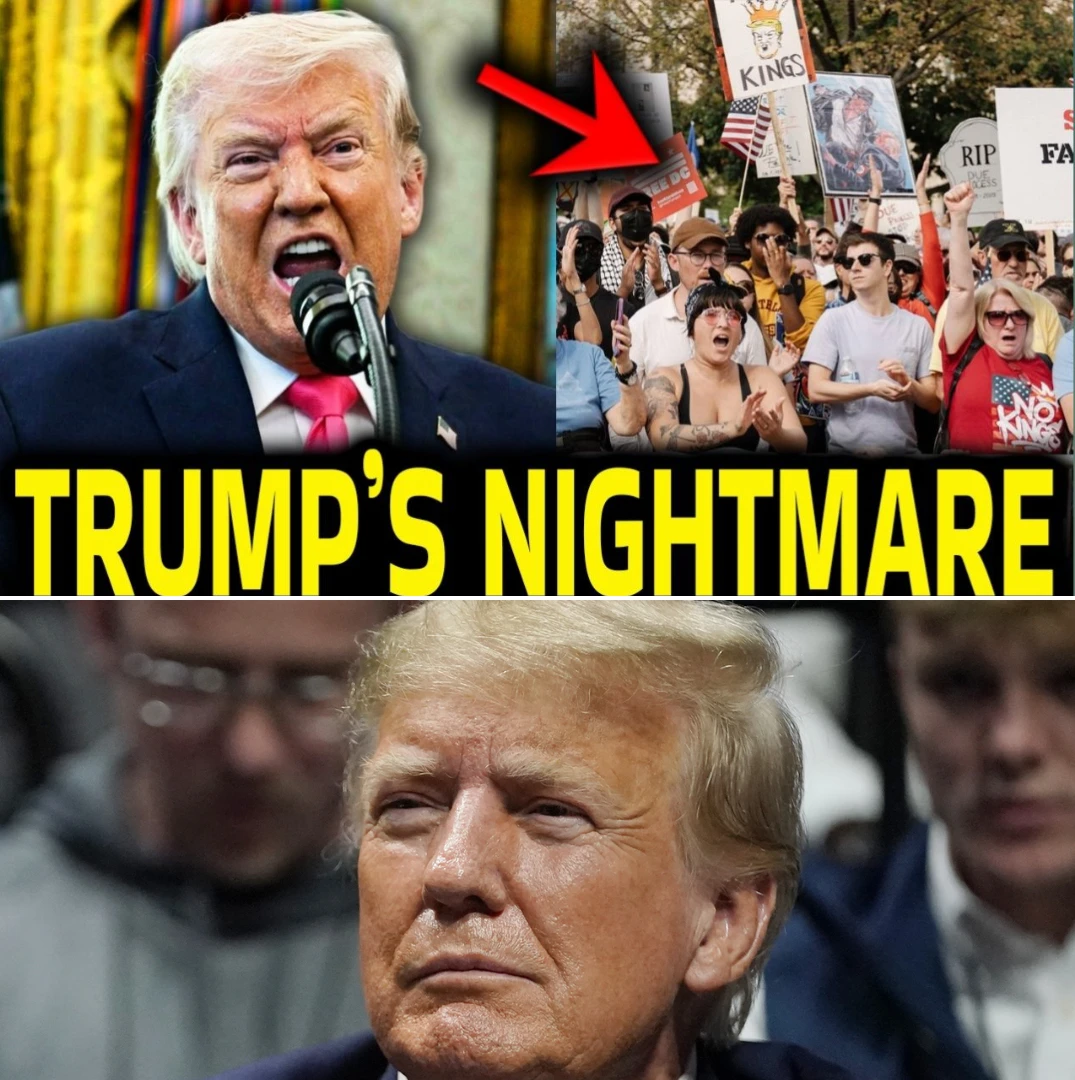
The United States is no stranger to protest movements, but the latest wave of “No Kings” demonstrations is unfolding with a scale and intensity that feels markedly different. What began as a political statement is rapidly becoming something far more consequential.
This third iteration of the protests is not just another gathering—it is shaping up to be one of the largest coordinated demonstrations in modern American history. Previous events drew millions, and early indicators suggest this one could surpass them all.
Across more than 3,100 locations spanning all 50 states, from densely populated urban centers to remote regions in Alaska, the movement has established an unprecedented national footprint. Its reach alone signals a shift in how dissent is being organized and expressed.
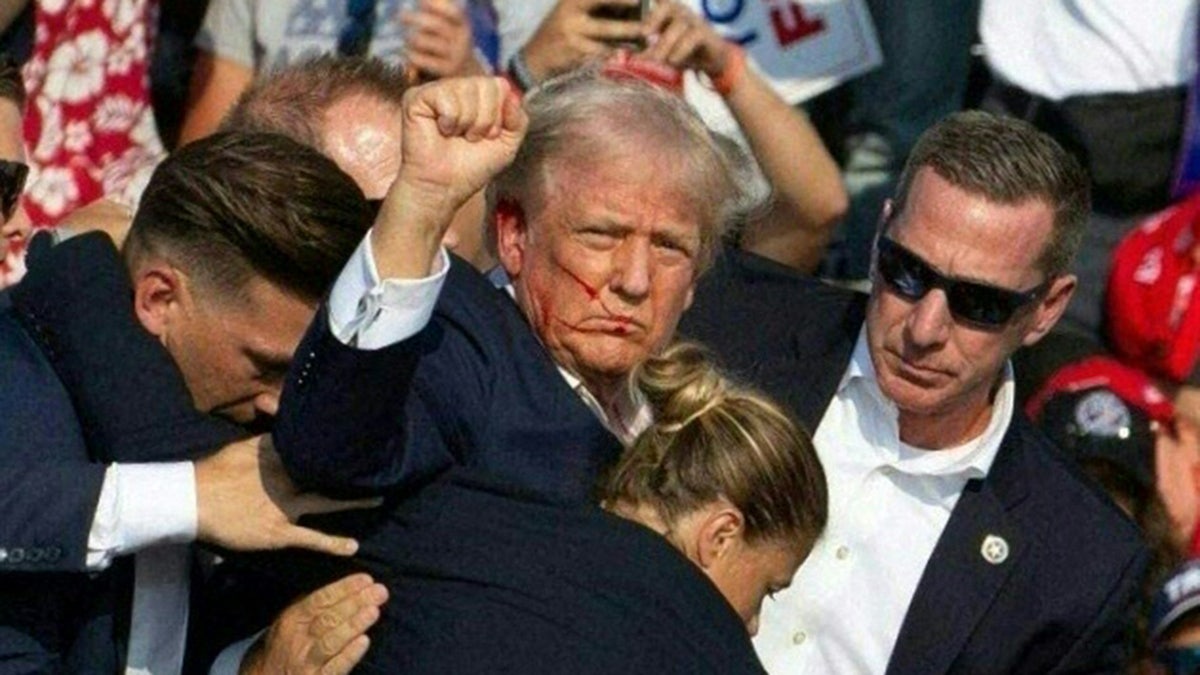
Yet what truly distinguishes this moment is not only its size, but its participants. A significant portion of those involved are suburban residents—voters who have traditionally played a decisive role in American elections and are often seen as political bellwethers.
Estimates indicate that nearly two-thirds of registered participants now come from outside major metropolitan areas, marking a substantial increase from earlier protests. This demographic shift adds a new layer of political weight to the movement’s message.
The grievances driving the protests are broad but deeply felt. Demonstrators are voicing opposition to a range of issues, including economic pressures, foreign policy decisions, immigration enforcement actions, and lingering controversies tied to high-profile investigations.
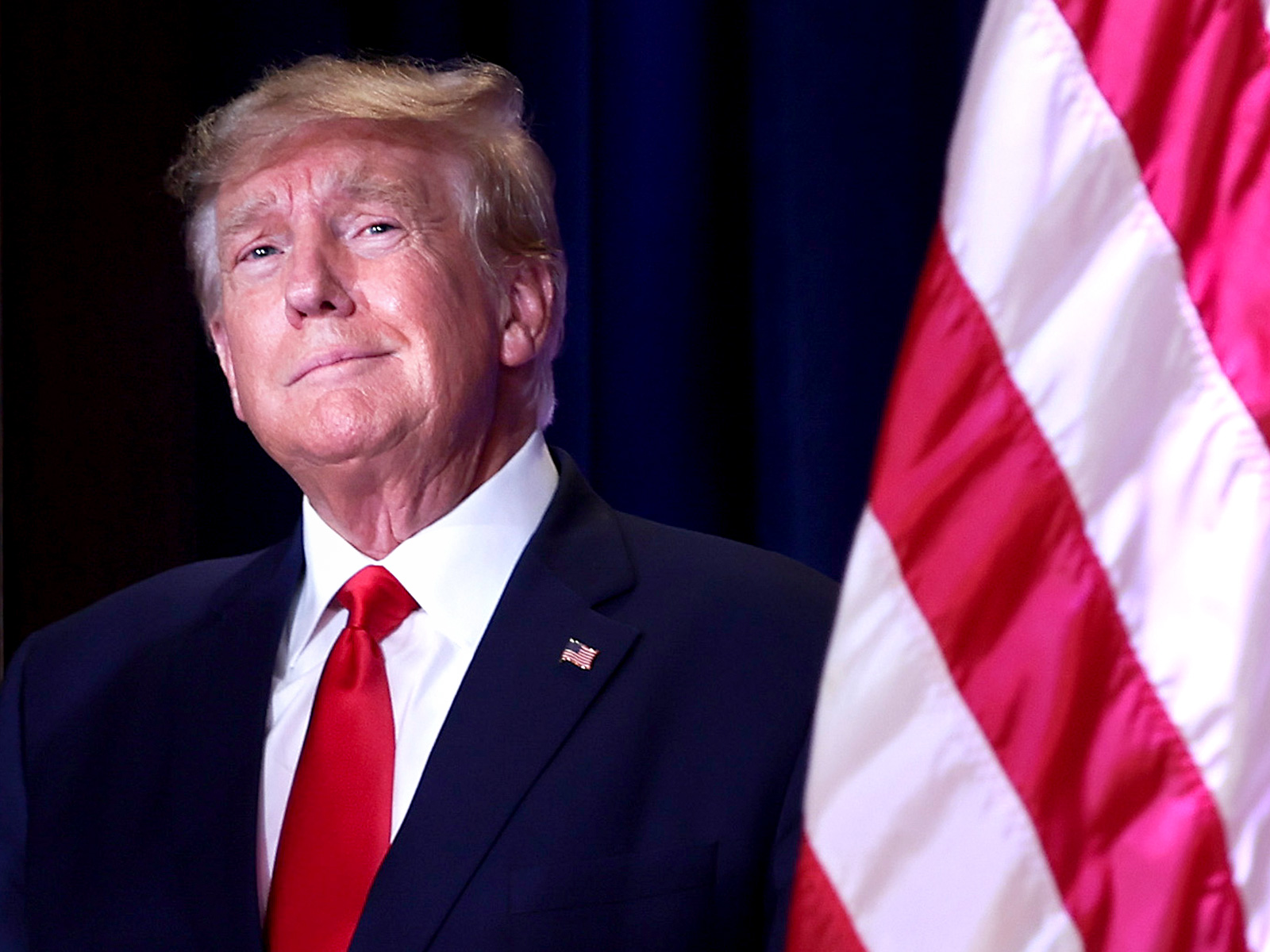
Rather than focusing on a single policy, the protests reflect a convergence of frustrations. For many participants, the demonstrations serve as a collective outlet for concerns about governance, accountability, and the direction of national leadership.
For Donald Trump, the movement presents a complex challenge. His past responses to similar protests have often been dismissive or confrontational, framing demonstrators as politically motivated rather than representative of broader public sentiment.
However, the scale of the current mobilization complicates that narrative. When millions gather across such a wide geographic and demographic spectrum, it becomes increasingly difficult to characterize the movement as fringe or isolated.
Security concerns have also entered the conversation. Organizers and commentators alike have emphasized the importance of maintaining peaceful demonstrations, mindful of the potential for escalation and the political consequences that could follow.
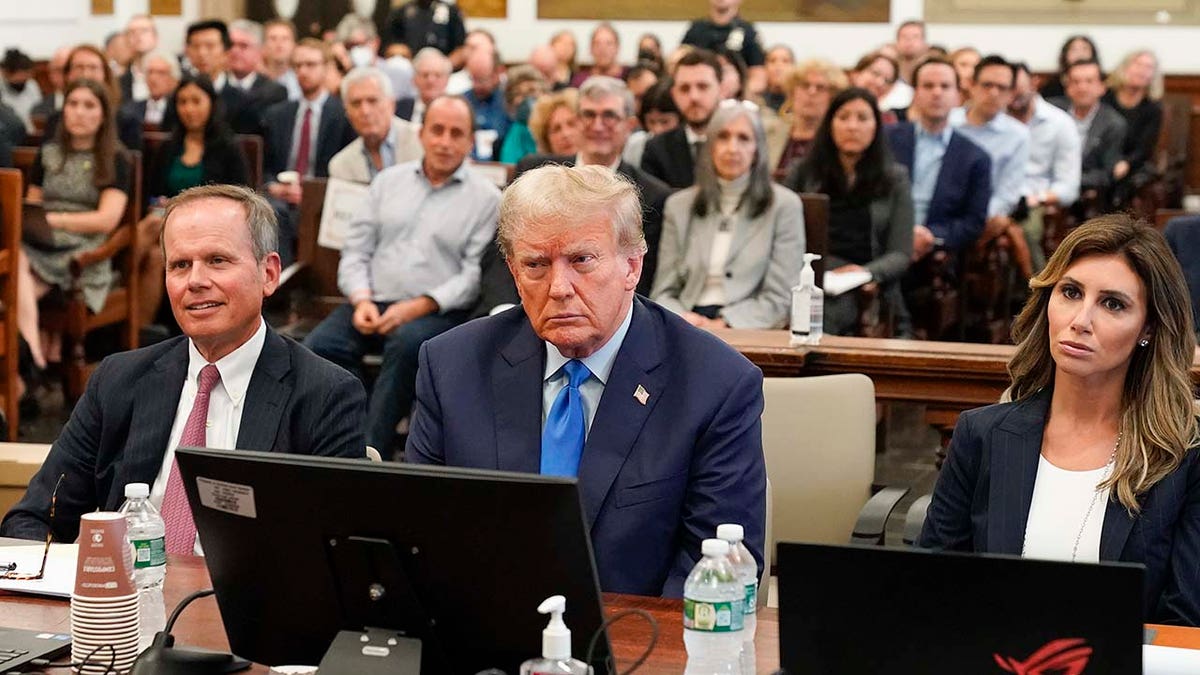
The possibility of a forceful response—whether through law enforcement or the National Guard—has added a layer of tension. For many, the stakes extend beyond the protests themselves to the broader question of how dissent is managed in a लोकतocratic society.
Adding to the contrast is the comparison between protest turnout and attendance at Trump-aligned events. Recent imagery highlighting sparse crowds at a military parade, juxtaposed with massive protest gatherings, has fueled further debate about public support.
Ultimately, the “No Kings” protests are not just about opposition—they are about visibility. They represent an effort to reshape the national conversation, to signal that discontent is neither isolated nor silent, but widespread and increasingly organized.
Whether this movement translates into lasting political impact remains uncertain. Yet one thing is clear: in a landscape where perception often shapes reality, the sheer scale and composition of these protests are already redefining the narrative.