🚨 Greenland Flashpoint — “Locked Out” or Strategic Standoff?
Posted April 2026
A new viral headline is making waves:
“U.S. locked out of Greenland as Canada–Denmark strike back — Trump furious.”
It sounds like a geopolitical explosion.
But the truth is more complex—and arguably more serious.
❄️ The Real Situation: A Growing Arctic Power Struggle
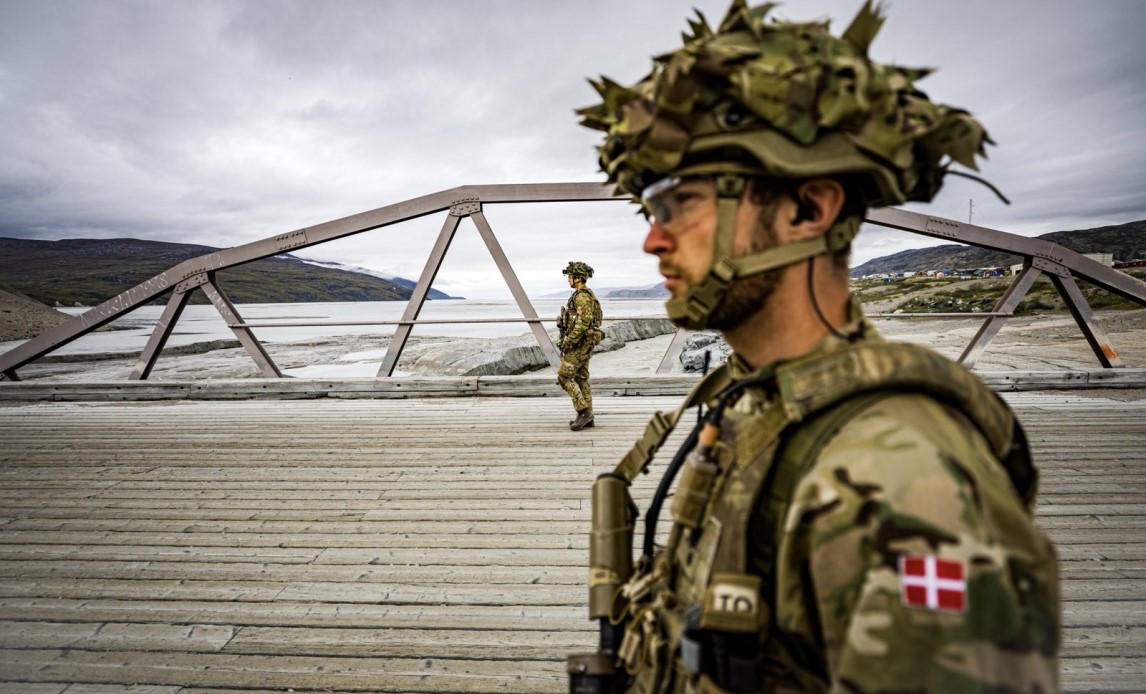
At the center of this story is Greenland—a massive, resource-rich island that has suddenly become one of the most strategic locations on Earth.
Why?
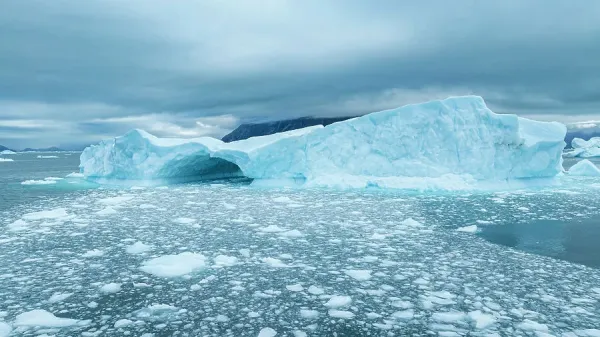
- Melting ice is opening new shipping routes
- Rare minerals are becoming more accessible
- Military positioning in the Arctic is increasingly critical
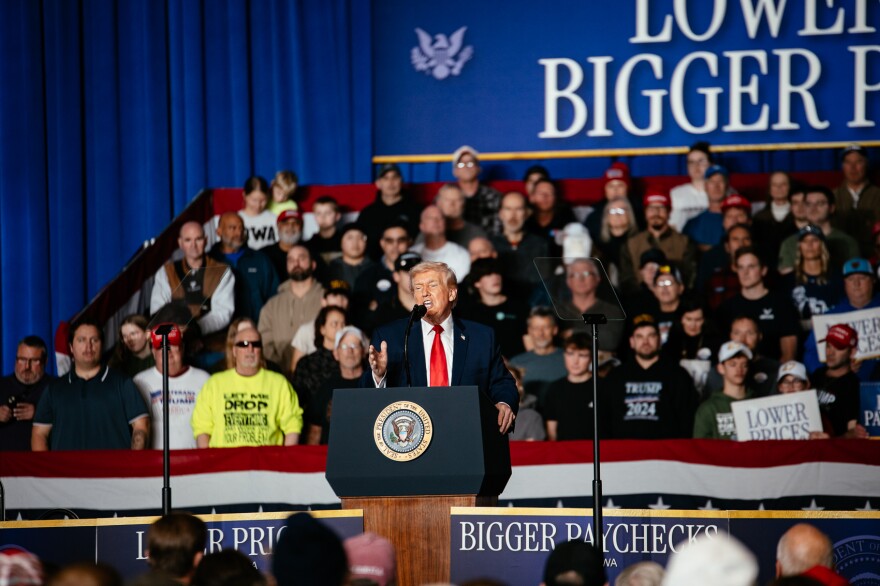
That’s why Donald Trump has pushed—repeatedly—for U.S. control or influence over Greenland.
⚠️ What Actually Happened (Not the Viral Version)
There is no verified evidence that:
- The U.S. has been “locked out” of Greenland
- A joint Canada–Denmark move formally blocked U.S. access
What has happened:
- Denmark and Greenland firmly rejected any U.S. takeover
- Canada and European allies have shown strong diplomatic support for Denmark
- New consulates and cooperation moves signal alignment against U.S. pressure
👉 This is not a sudden “lockout”—it’s a gradual pushback.
🇩🇰 Denmark’s Message: “Greenland Is Not for Sale”

Danish leadership has been crystal clear:
- Greenland remains part of the Kingdom of Denmark
- Any transfer of control is off the table
- Military and political preparations were even considered during peak tensions
In fact, this dispute has escalated into what analysts call a “Greenland crisis”—a rare confrontation between NATO allies .
🇨🇦 Canada’s Role — Quiet but Strategic
Canada hasn’t “blocked” the U.S.—but it has:
- Increased diplomatic presence in Greenland
- Aligned more closely with Denmark and European partners
- Supported sovereignty and stability in the Arctic
👉 In simple terms: Canada is choosing alliances over escalation.
🧠 Why the U.S. Wants Greenland So Badly

The U.S. already has a military foothold (Pituffik Space Base), but wants more:
- Missile defense positioning
- Arctic surveillance
- Access to untapped natural resources
This is not new—Trump attempted to buy Greenland even during his first presidency.
But in 2026, the tone escalated:
- Talk of tariffs against allies
- Pressure on NATO partners
- Refusal (at one point) to rule out force
That’s what triggered the backlash.
💥 The “Furious Response” Narrative
Yes—Trump has reacted strongly in public statements:
- Framing Greenland as essential for U.S. security
- Warning allies about economic consequences
- Pushing for expanded access or control
But behind the scenes, diplomacy continues:
- Talks between the U.S., Denmark, and Greenland are ongoing
- Military escalation has been dialed back
- Negotiations are replacing confrontation
🧠 Where Does Warren Buffett Fit In?

Buffett isn’t directly part of the Greenland issue—but he represents something important:
Through Berkshire Hathaway, he owns major infrastructure (including railroads).
And investors like him understand:
👉 Geopolitics = economics
If Arctic routes open and shift global trade,
the entire logistics and energy system changes.
🌎 The Bigger Picture
This story isn’t about being “locked out.”
It’s about:
- A superpower pushing for strategic territory
- Allies pushing back to defend sovereignty
- A fragile balance inside NATO
And most importantly:
👉 The Arctic becoming the next global chessboard.
🔥 Clickbait Hooks (if you’re posting)
- 🚨 “U.S. SHUT OUT OF GREENLAND? THE TRUTH REVEALED!”
- 🇺🇸 “TRUMP PUSHES — ALLIES PUSH BACK HARD!”
- 🇩🇰 “DENMARK DRAWS THE LINE: NOT FOR SALE!”
- 🇨🇦 “CANADA STEPS IN — POWER SHIFT BEGINS?”
- ⚡ “ARCTIC SHOWDOWN: WHO REALLY CONTROLS THE FUTURE?”
✍️ Final Thought
The viral version says “locked out.”
Reality says something more subtle—and more powerful:
👉 The United States isn’t being shut out.
👉 It’s being checked.
And in global politics, that difference matters.
Because when allies start saying “no”…
even quietly…
The balance of power begins to shift.