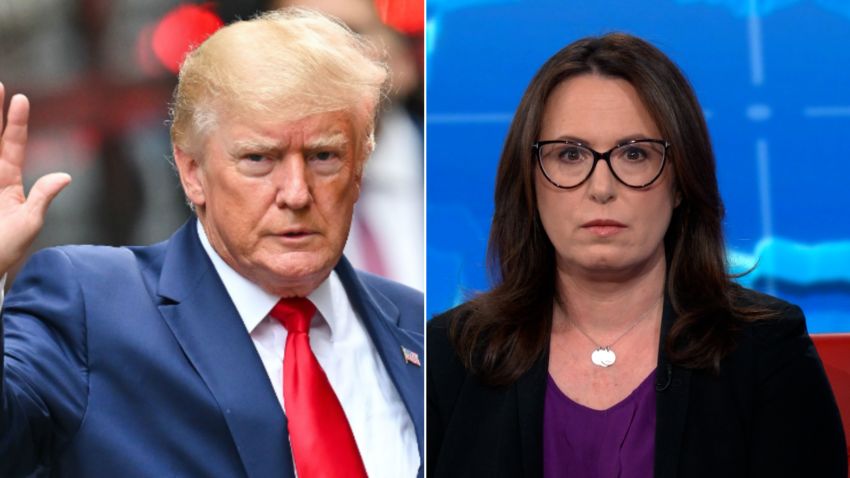
In Washington, conflict between politicians and the press is nothing new. Yet when Donald Trump publicly lashed out at Maggie Haberman, the exchange quickly evolved into something far more consequential than a routine media clash.
The confrontation began with sharp words—Trump labeling Haberman with insults and threatening legal action against The New York Times. It was a familiar tactic, one rooted in years of combative rhetoric toward major media institutions.
But within hours, the narrative began to shift.

Rather than retreat, Haberman responded with calculated precision. Her first move was both simple and devastating: she released previously unheard audio recordings from interviews conducted for her book, Confidence Man.
Those recordings painted a strikingly different picture.
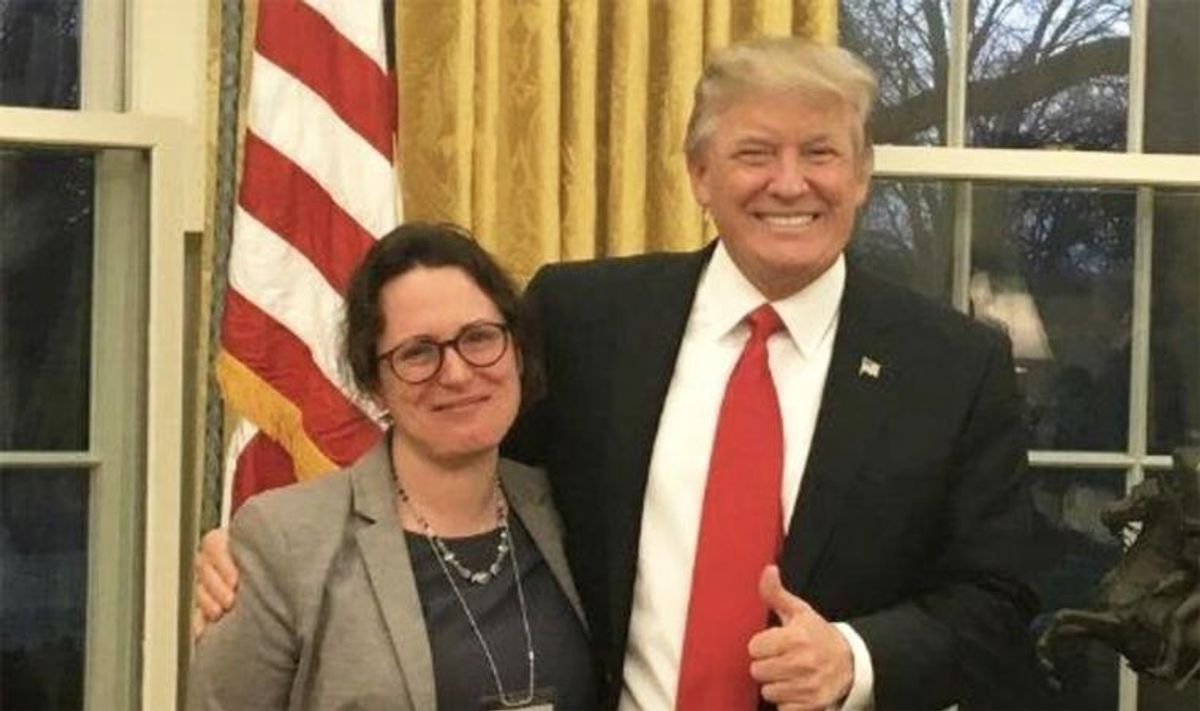
In private conversations, Trump appeared measured, even cooperative—far removed from the fiery persona he projected publicly. The contrast was difficult to ignore, raising questions about the authenticity of his long-standing image as an unyielding critic of the press.
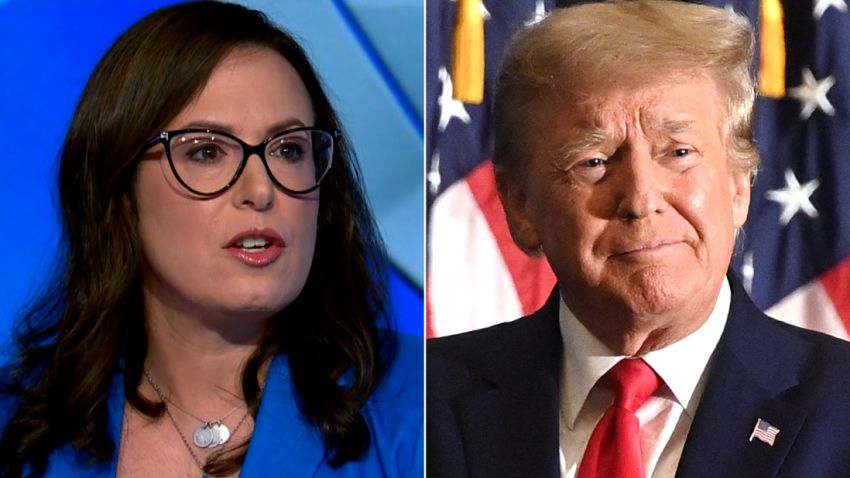
For seasoned observers, the moment felt revealing.
It suggested that the battle between Trump and the media may not be as straightforward as it appears. Instead, it hinted at a more complex dynamic—one in which confrontation and cooperation coexist behind the scenes.
Haberman’s second move deepened that complexity.

Rather than treating Trump’s attacks as a liability, she reframed them as evidence. His public hostility became part of her broader analysis, reinforcing a central argument: that antagonism toward the media is not incidental, but a deliberate and strategic component of his political identity.
In doing so, she transformed criticism into content.
What might have been dismissed as personal attacks instead became documented proof—woven into her reporting, her book, and her ongoing commentary. The effect was subtle but powerful, turning a moment of conflict into a narrative asset.
Then came the third move, perhaps the most strategic of all.
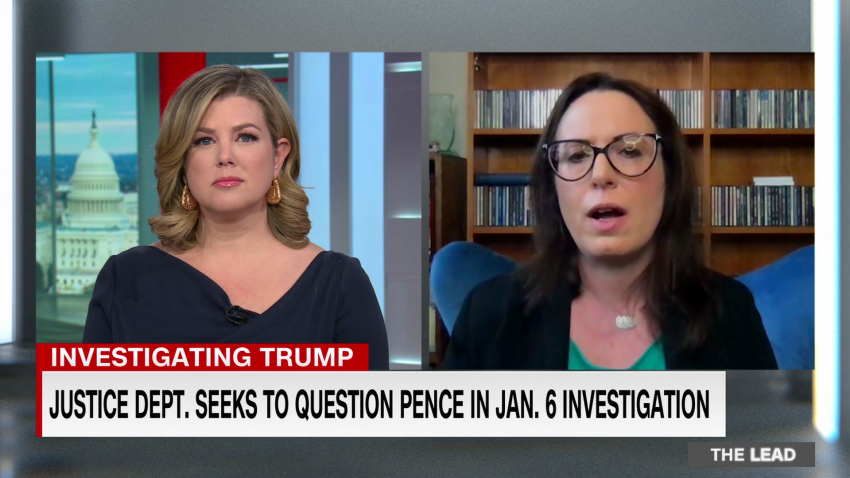
Backed by the legal resources of The New York Times, Haberman issued a response that was firm yet restrained. There was no escalation, no theatrical counterattack—only a clear assertion of journalistic integrity and confidence in the reporting process.
It was a calculated contrast.
Where Trump’s approach relied on volume and visibility, Haberman’s relied on credibility and control. The difference in tone underscored a broader divide between political messaging and journalistic practice in an increasingly polarized environment.
For readers in the US and UK alike, the episode resonated beyond the individuals involved.
It highlighted a recurring tension in modern democracies: the fragile balance between power and accountability, narrative and truth. In this landscape, perception can shift rapidly—and those who understand how to shape it often hold the advantage.
What makes this moment particularly compelling is its layered irony.
An attempt to discredit a journalist ultimately amplified her voice. A threat intended to intimidate instead drew greater attention to her work. And a public attack revealed private contradictions that might otherwise have remained hidden.
In the end, this was not just a story about one exchange.
It was a reminder of how influence operates in the modern media age—quietly, strategically, and often in ways that only become clear after the moment has passed.