When Neighbours Push Back: Canada’s Consumer Revolt Sends Shockwaves Through US Economy

What began as a political dispute has evolved into something far more tangible. As tensions rise between United States and Canada, the consequences are no longer confined to rhetoric—they are unfolding in real economic terms.
At the centre of the storm stands Donald Trump, whose aggressive tariff policies and provocative remarks have ignited a response that few anticipated: a widespread, grassroots consumer backlash north of the border.
Unlike traditional economic retaliation, this movement did not originate in government offices. It began online, spreading rapidly through social media campaigns urging Canadians to spend domestically and rethink cross-border travel habits.
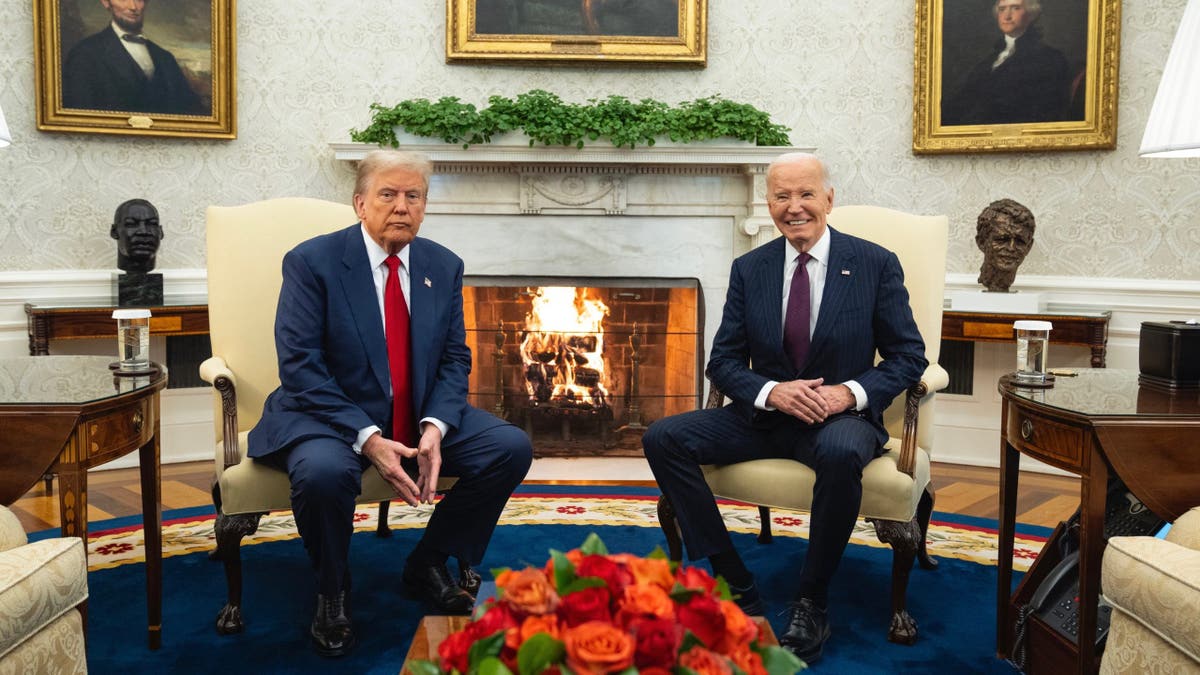
The results were immediate and striking. Millions of potential trips to the United States vanished almost overnight, reshaping patterns of tourism that had remained stable for decades between the two closely linked economies.
Border crossings once defined by steady flows of shoppers and visitors now tell a different story. Traffic has slowed, businesses have quieted, and entire communities are beginning to feel the absence of their most reliable customers.
In cities dependent on Canadian visitors, the impact has been particularly severe. Retailers, restaurants, and hotels are confronting a sudden drop in revenue, forcing difficult decisions about staffing, hours, and long-term viability.

This shift reflects more than economic calculation—it signals a change in sentiment. For many Canadians, the boycott represents a form of collective expression, a way to respond to political messaging through everyday choices.
Prime Minister Mark Carney has acknowledged this mood, lending official weight to what began as a grassroots movement. His remarks have reinforced the idea that economic behaviour can carry political meaning.
Meanwhile, the response from Washington has been swift and confrontational. Trump has warned of further tariffs, escalating the situation and raising concerns among advisors about unintended consequences for American consumers.
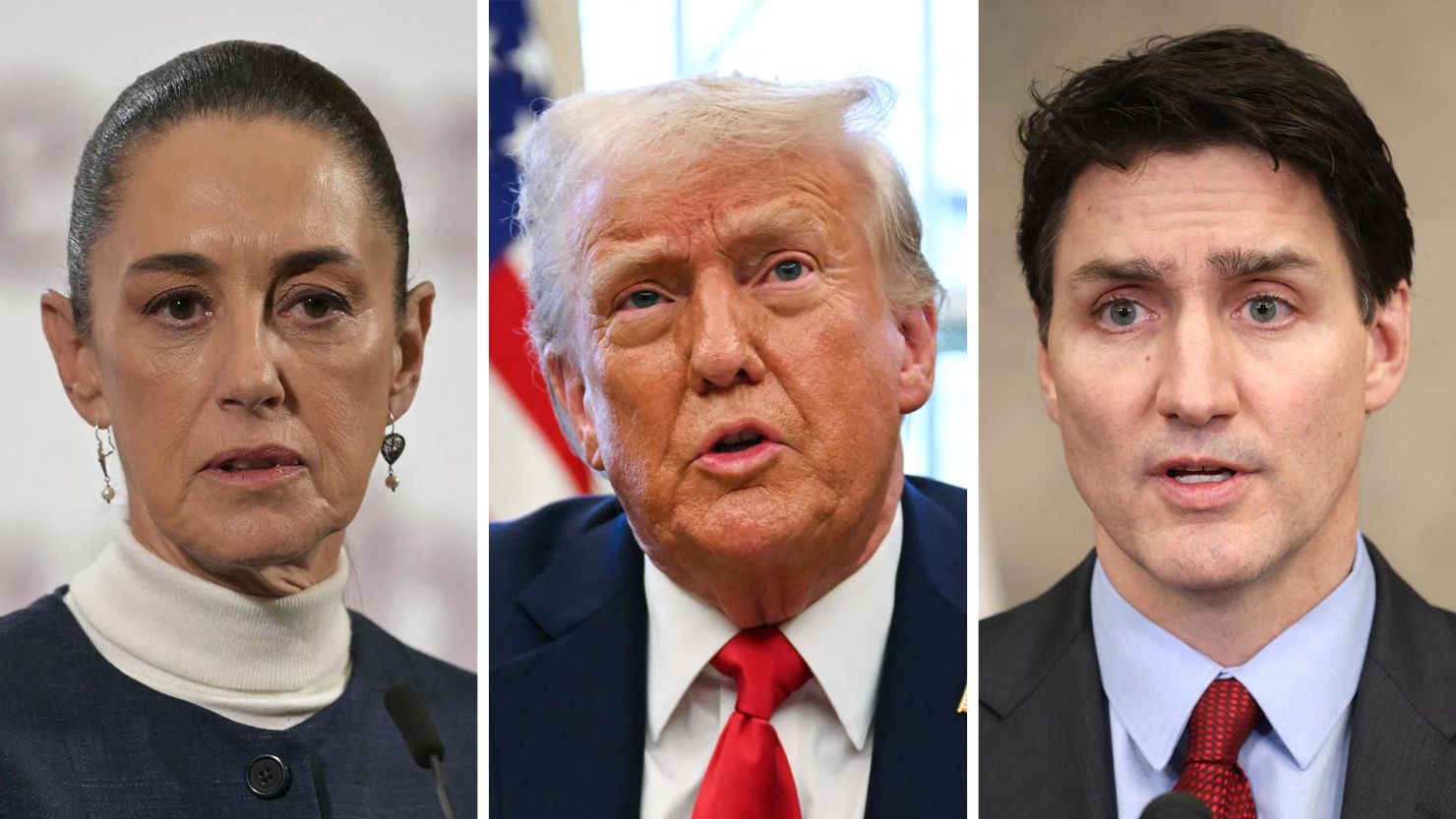
Energy markets, in particular, sit at the centre of these concerns. Canada remains a critical supplier, and any disruption to that relationship could ripple across fuel prices, manufacturing costs, and broader economic stability.
At the same time, Canada is not standing still. Efforts to diversify trade relationships are accelerating, with new agreements and partnerships aimed at reducing reliance on a single dominant market.
This strategic pivot is being closely watched by global investors. Stability in Canadian markets, even amid rising tensions, suggests a level of confidence that contrasts sharply with the uncertainty surrounding the dispute.

For audiences in the United States and the United Kingdom, the situation highlights an emerging form of economic influence—one driven not solely by policy, but by public participation amplified through digital platforms.
Consumer behaviour, once seen as reactive, is now becoming proactive. It has the capacity to reshape demand, influence policy, and alter the balance of economic relationships between nations.
Ultimately, this is not just a story about tariffs or trade agreements. It is about how quickly interconnected systems can shift when trust is strained—and how even long-standing alliances can be tested under pressure.
As the situation continues to unfold, one question remains: can two of the world’s closest economic partners recalibrate their relationship, or has something more fundamental begun to change?