Under the Spotlight: Questions Emerge Over Trump’s Physical Resilience
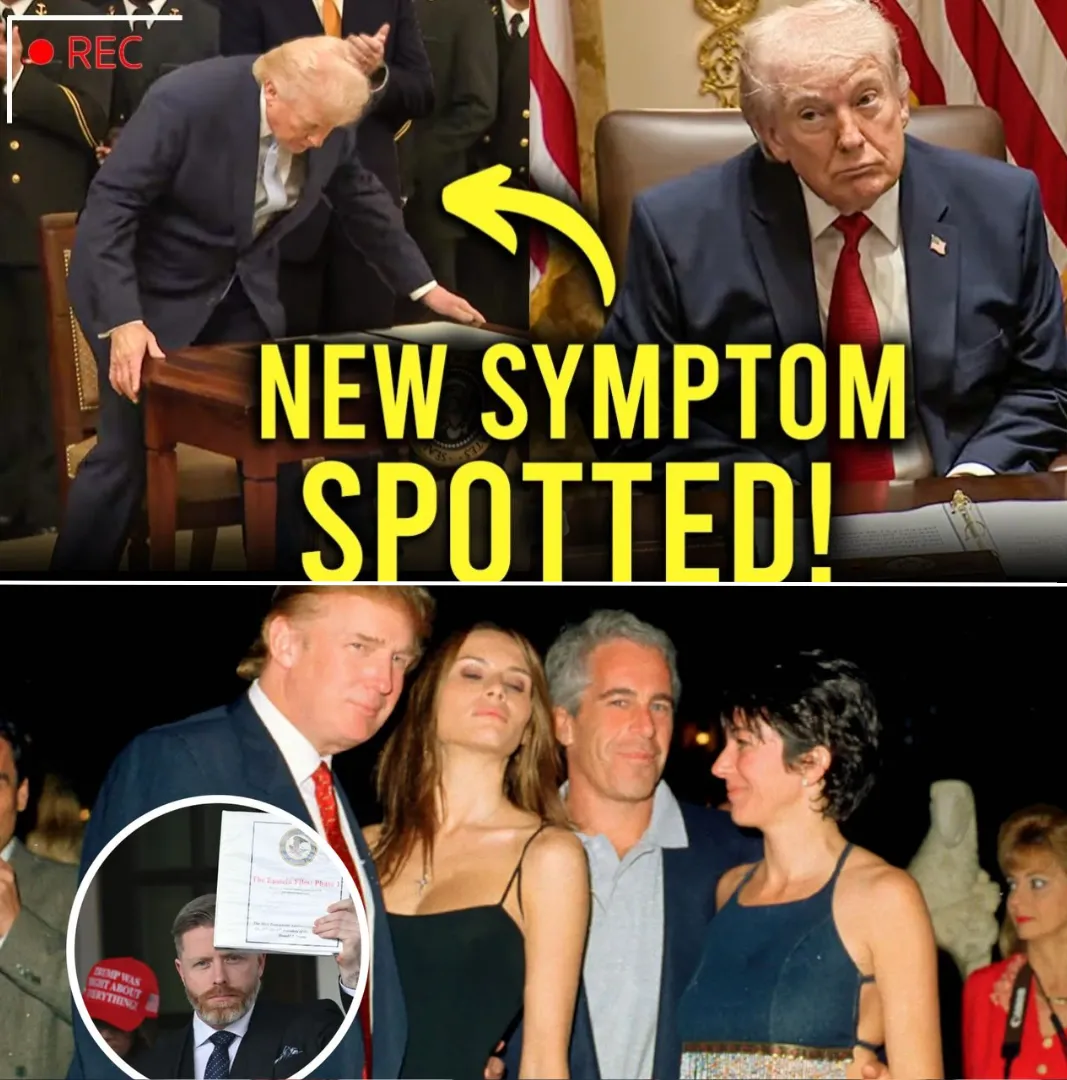
In modern politics, perception is often as powerful as policy. Recent public appearances by Donald Trump have sparked renewed discussion—not about strategy or legislation, but about something more personal: physical condition and endurance.
Observers have pointed to subtle but noticeable changes. Moments that might once have gone unnoticed—pauses, shifts in posture, reliance on arm support—are now being examined with heightened attention in an increasingly scrutinised media environment.
Among the most discussed observations is difficulty when transitioning between sitting and standing. In clinical settings, this movement is often used as a simple indicator of muscular strength, balance, and overall functional health.

Medical professionals frequently reference structured assessments to evaluate such mobility. While these tools are designed for controlled environments, their principles have entered public conversation as viewers attempt to interpret unscripted moments.
This has led to speculation about conditions associated with ageing, including Sarcopenia—a gradual decline in muscle mass and strength that can affect stability and physical performance over time.
However, experts caution against drawing firm conclusions from limited visual evidence. Context matters: fatigue, camera angles, and momentary imbalance can all create impressions that do not reflect underlying health conditions.

Beyond movement, attention has also turned to demeanour during official events. Instances interpreted by some as fatigue or distraction have circulated widely, contributing to a broader narrative of possible decline.
Yet interpretation remains subjective. Behaviour that appears unusual in one context may be routine in another, particularly for individuals operating under intense schedules and constant public observation.
The discussion has nevertheless gained traction because of its implications. In leadership roles, physical resilience is often viewed as intertwined with the capacity to manage prolonged pressure and complex decision-making.
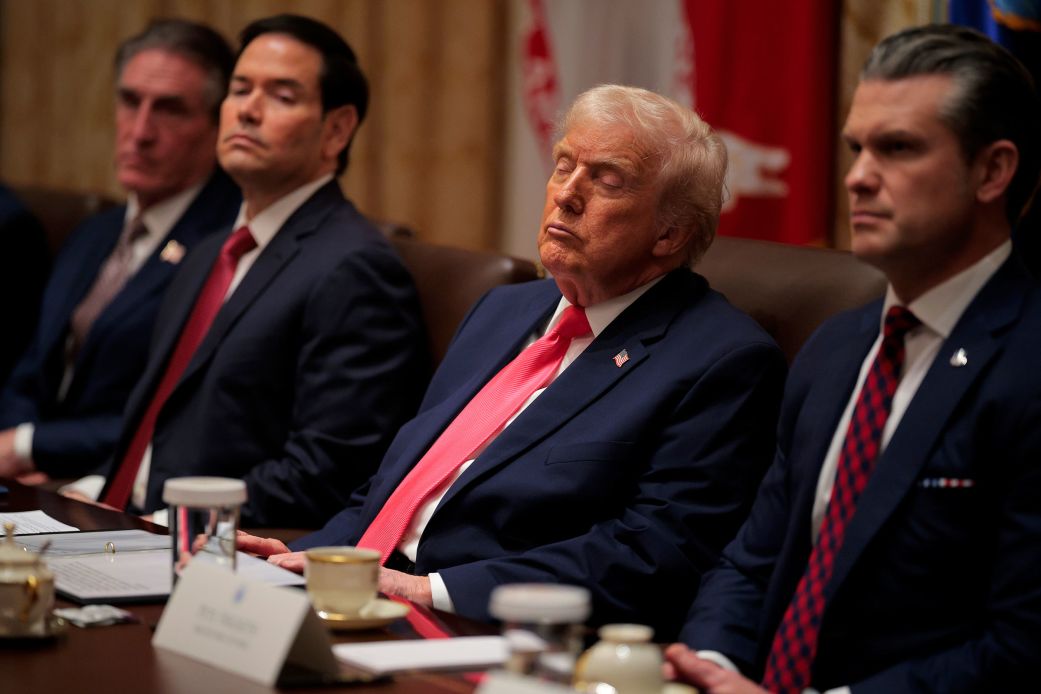
This is where the conversation moves beyond individual moments. It enters the realm of institutional concern—how governments assess readiness, and how they respond when questions about capacity begin to surface.
In the United States, such considerations are formally addressed through constitutional mechanisms, though these are typically invoked only under clear and substantiated circumstances, not speculation.
At the same time, media dynamics amplify every detail. Short clips, isolated gestures, and brief expressions can quickly become focal points, shaping public perception far more rapidly than official statements.

For audiences in both the United States and the United Kingdom, the situation reflects a familiar tension between observation and evidence. What is seen is not always what is known—and the gap between the two can be significant.
Ultimately, the current debate says as much about the environment surrounding leadership as it does about the individual at its centre. In an age of constant visibility, even the smallest detail can become a defining narrative.
Whether these observations signal something substantive or simply the weight of scrutiny remains uncertain. But one thing is clear: in today’s political landscape, perception does not wait for confirmation—it evolves in real time.