A Presidency Under Pressure: Senate Votes Expose the Fragility of Trump’s Power

In Washington, power rarely disappears overnight. It erodes—quietly, incrementally—until one day, the shift becomes impossible to ignore. For Donald Trump, that erosion now appears to be accelerating inside the United States Senate.
The latest signal came with the failure of the Shutdown Fairness Act, introduced by Ron Johnson. Designed to ensure federal workers are paid during shutdowns, the bill fell short of the 60 votes required to advance.
On paper, the numbers seemed close. In reality, the defeat revealed something deeper: even with partial bipartisan support, the administration could no longer rely on consistent alignment within Congress to push through key measures.
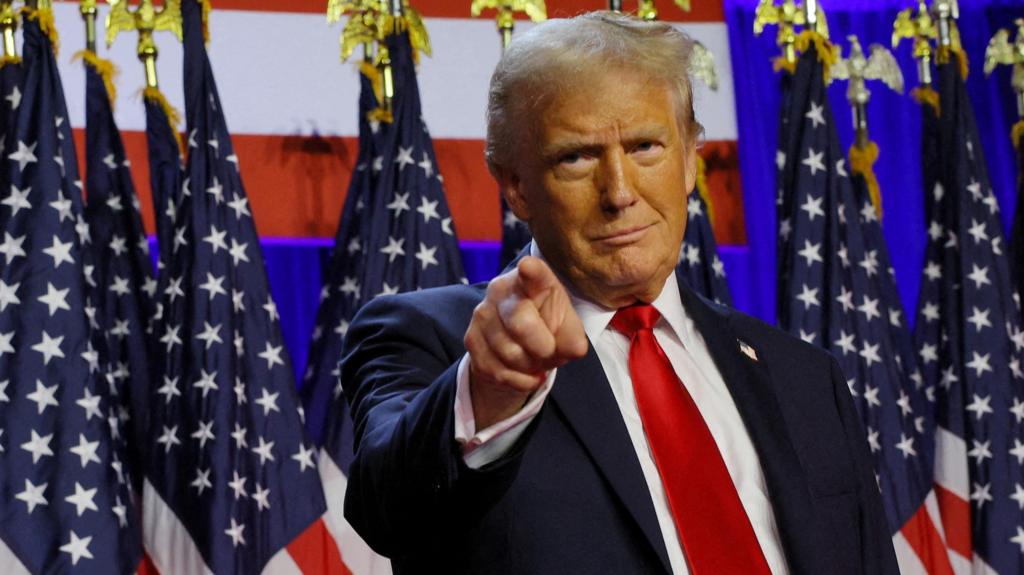
This fragility has been building for months. Major fiscal proposals tied to Trump’s agenda have repeatedly passed by razor-thin margins, often requiring tie-breaking intervention from the vice president—hardly a sign of stable legislative backing.
In political terms, this is the anatomy of a weakening majority. When a government depends on near-perfect loyalty, even minor defections carry outsized consequences. And increasingly, those defections are no longer hypothetical—they are happening.
Beyond domestic policy, the Senate’s posture on foreign affairs has added another layer of constraint. Lawmakers from both parties have begun pushing back against unilateral military decisions, particularly regarding Iran and Venezuela.
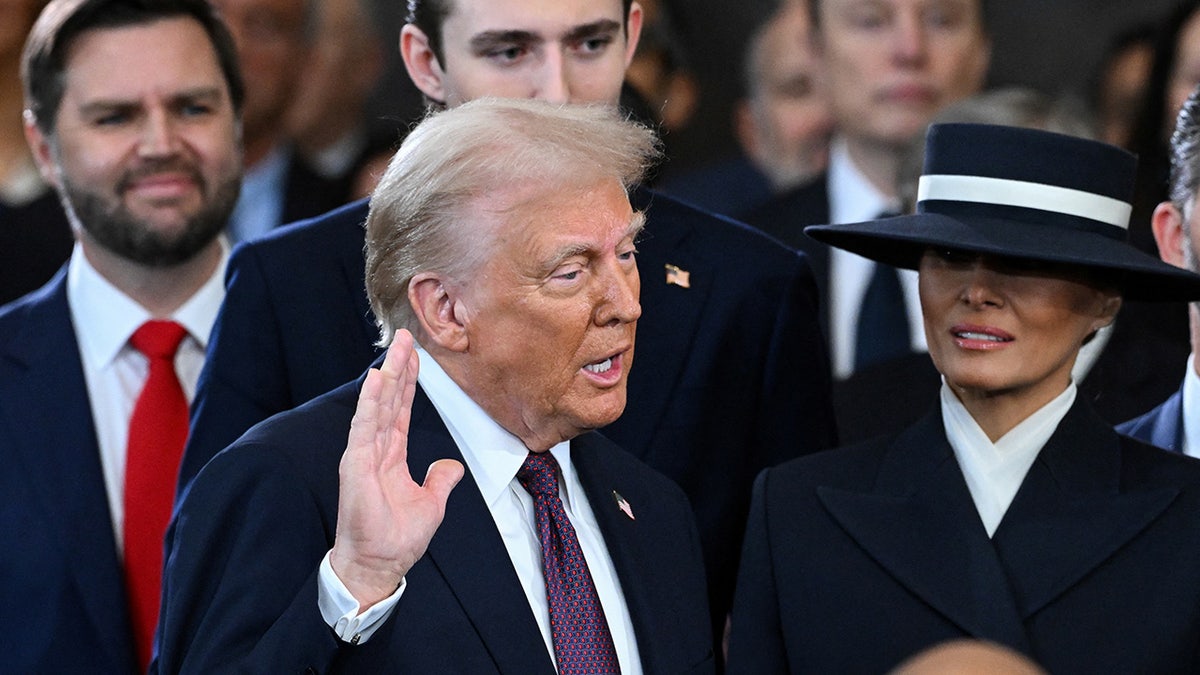
This resistance carries international implications. Allies and adversaries alike are watching closely, recalibrating their expectations as it becomes clear that presidential authority may not translate into guaranteed congressional support.
At the same time, the ongoing government shutdown has intensified pressure. Critical agencies remain under strain, with staffing shortages and operational disruptions highlighting the real-world consequences of political deadlock.
In this environment, the balance of power subtly shifts. While the presidency retains symbolic authority, the Senate’s control over funding and legislative approval becomes increasingly decisive in shaping what can—and cannot—be achieved.
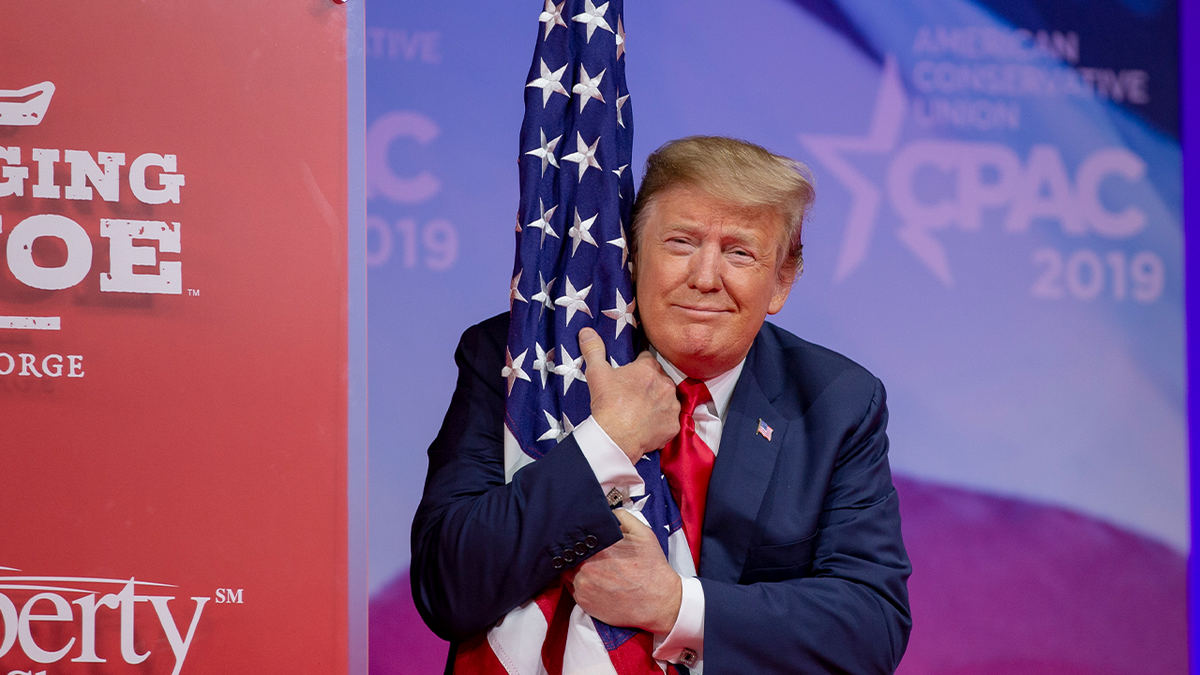
What makes this moment particularly striking is that the resistance is not purely partisan. Elements within Trump’s own political base have shown a willingness to diverge, signaling a broader recalibration rather than a simple opposition strategy.
For seasoned observers, the pattern is familiar. This is how influence changes hands in modern politics—not through dramatic collapse, but through cumulative limitation, where each failed vote narrows the scope of executive action.
The result is a presidency that continues in form, but with diminishing operational reach. Policies stall, negotiations weaken, and the ability to project authority—both domestically and abroad—gradually declines.
For audiences in the United States and the United Kingdom, the implications extend beyond one administration. They reflect the enduring tension between executive ambition and legislative control within democratic systems.
Ultimately, the question is no longer whether challenges exist. It is whether the current administration can adapt to a political landscape where power is no longer assumed—but must be renegotiated, vote by vote, moment by moment.