A Day of Reckoning: Supreme Court Limits Presidential Power as Epstein Files Resurface
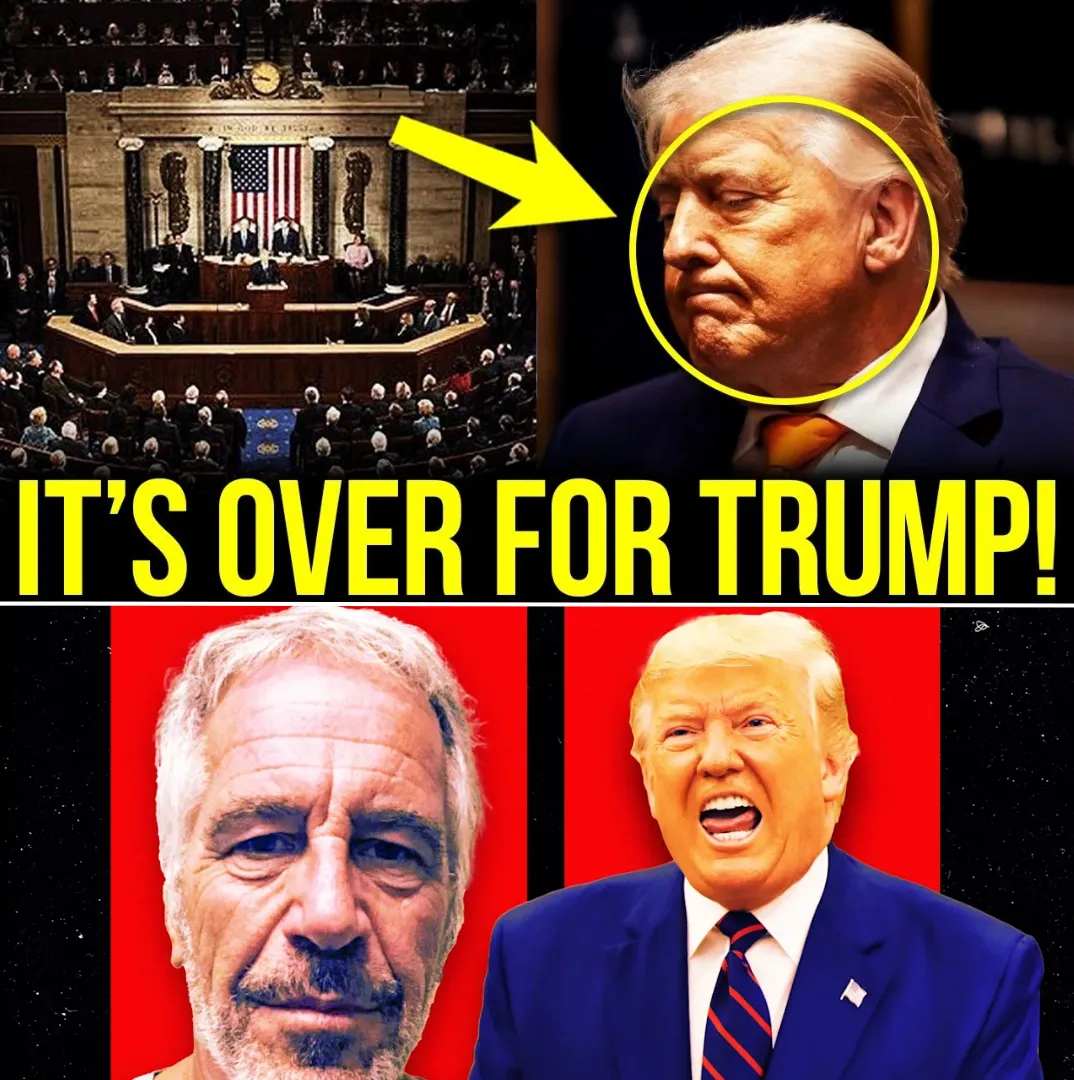
In a dramatic convergence of law and politics, Supreme Court of the United States delivered a ruling that could redefine the boundaries of presidential authority—placing Donald Trump at the centre of a rapidly intensifying storm.
The decision, handed down in a closely watched case, struck directly at the executive branch’s ability to impose sweeping economic measures without congressional approval. At its core, the ruling reaffirmed a foundational principle: power must remain divided.
By rejecting the use of emergency economic powers to justify unilateral tariffs, the Court sent a clear message—trade policy, with its vast economic consequences, belongs firmly within the legislative domain.

The implications are immediate and substantial. Billions of dollars in tariffs, once defended as necessary tools of national policy, now face legal uncertainty, with potential repercussions rippling through markets and international trade relationships.
Chief Justice John Roberts emphasised the constitutional framework, invoking what legal scholars call the “major questions doctrine”—a principle requiring explicit congressional authorisation for decisions of extraordinary significance.
For many observers, this represents more than a legal clarification. It is a recalibration of power, reinforcing limits on executive reach at a time when those limits have been repeatedly tested.

Yet the legal blow did not arrive in isolation. On the same day, attention turned sharply toward the long-awaited release of final records linked to Jeffrey Epstein, reigniting one of the most controversial cases in recent history.
The scale of the disclosure was staggering—millions of documents, images, and files entering the public domain. Within this vast archive, familiar names appeared, including repeated references to Trump.
Officials from the US Department of Justice were quick to clarify that inclusion in such records does not equate to guilt, urging caution in interpreting the material.

Nevertheless, the release has intensified scrutiny. Allegations, historical connections, and previously obscured details are now subject to renewed examination, fuelling public debate and media attention on both sides of the Atlantic.
Trump’s response was swift and forceful. He denounced the Court’s ruling in unusually stark terms, criticising the very institution that includes several justices he once appointed.
This reaction, while characteristic of his combative style, underscores a deeper tension—between personal authority and institutional independence. Even within a system shaped in part by his own appointments, limits remain firmly in place.
For audiences in the United States and the United Kingdom, the moment carries broader significance. It highlights the resilience of constitutional structures, even under intense political pressure and polarised public discourse.
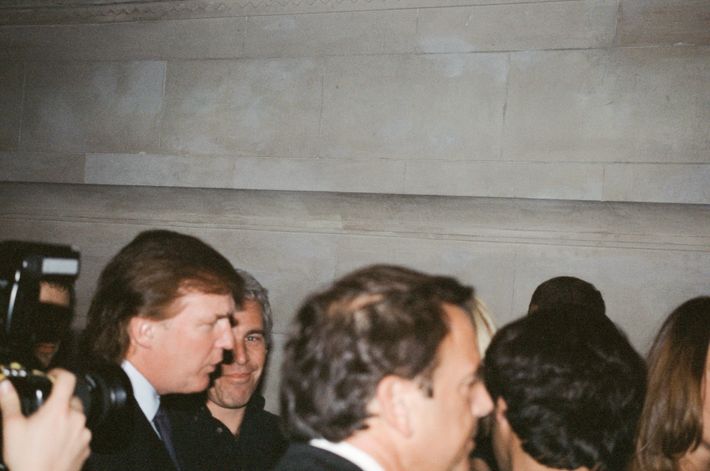
At the same time, it reveals the evolving nature of accountability in a digital age, where vast quantities of information can be released, analysed, and debated almost instantly.
The intersection of these two developments—judicial restraint and renewed scrutiny—creates a narrative that extends beyond any single figure. It speaks to how modern democracies confront power, transparency, and responsibility.
Ultimately, this is not merely a story of legal defeat or political controversy. It is a reflection of a system in motion—testing its own limits, reaffirming its principles, and reminding all who operate within it that authority is never absolute.
And in that reminder lies the true weight of the moment: a recognition that even at the highest levels, power is defined not just by what it can do—but by what it cannot.