🚨 “You Can Be Removed” — The Courtroom Moment When Donald Trump Was Warned by a Federal Judge
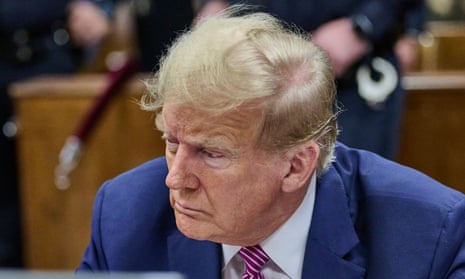
In a courtroom, there are rules.
Not suggestions.
Not guidelines.
Rules.
And for the most part, those rules apply equally — whether you are an ordinary citizen… or a former president of the United States.
But what happens when those lines are tested in real time?
That question came sharply into focus during a tense moment involving Donald Trump and Lewis Kaplan — a moment that, while brief, revealed something much bigger about power, authority, and the limits of behavior inside a courtroom.
⚖️ The Moment That Stopped the Room
It didn’t begin as a dramatic scene.
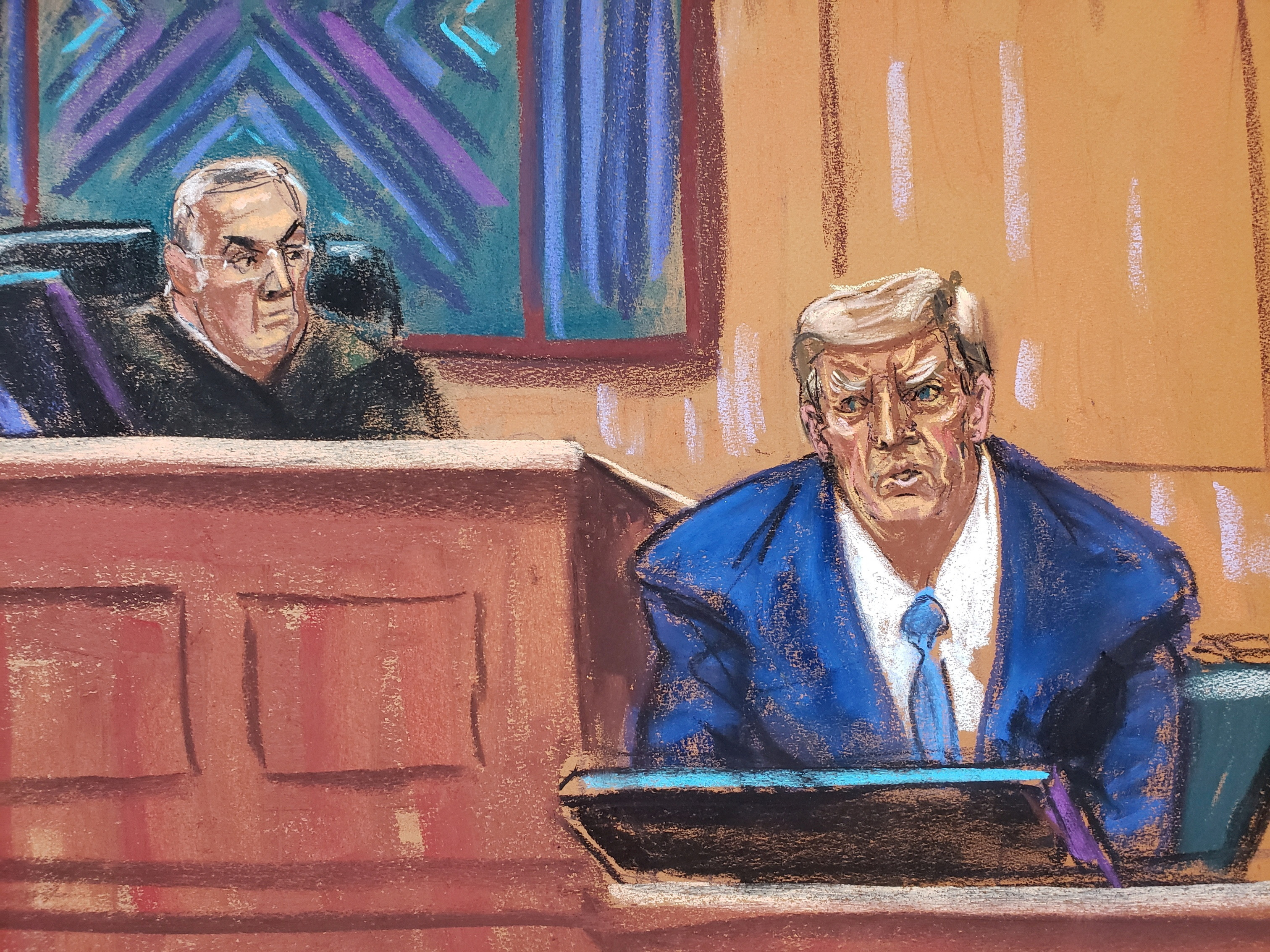
The courtroom was in the middle of testimony in the defamation case brought by E. Jean Carroll — a case already under intense public scrutiny.
As Carroll spoke, reports indicate that Trump could be heard making remarks from his seat:
“It’s not true.”
“Con job.”
Quiet, perhaps.
But not unnoticed.
And in a courtroom, even quiet disruptions matter.
Because the integrity of proceedings depends on control — and when that control begins to slip, judges act.
🧨 Judge Kaplan Draws a Line
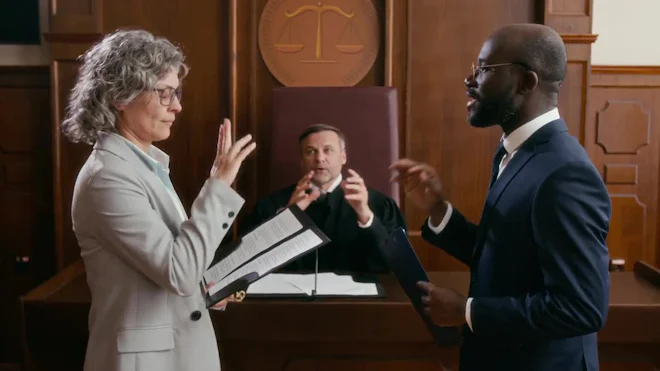
That’s when Judge Lewis Kaplan intervened.
Proceedings paused.
The room shifted.
And the message was clear:
Trump had the right to be present.
But that right was not unlimited.
If disruptions continued, the judge warned, that right could be revoked.
In simple terms:
You can stay — if you follow the rules.
Or you can leave.
⚠️ Why This Moment Matters More Than It Seems

On the surface, it might appear minor.
A judge warning a defendant.
A courtroom pause.
A brief exchange.
But in context, it carries weight.
Because it involves a figure who has rarely been told — in such direct terms — that boundaries cannot be crossed.
And because it highlights something fundamental:
The courtroom is one of the few spaces where status does not automatically translate into control.
🔥 The Growing Tension Between Trump and the Courts

This was not an isolated moment.
Over time, interactions between Donald Trump and the judicial system have grown increasingly tense.
From public criticism of judges…
To disputes over legal rulings…
To ongoing high-profile cases…
Each incident adds another layer to a relationship that is becoming more strained.
And in that context, even a brief warning carries symbolic meaning.
Because it reflects not just behavior in a single moment…
…but a broader pattern under scrutiny.
🏛️ The Power of the Judge — And Its Limits

Judges are not politicians.
They do not campaign.
They do not rally crowds.
Their authority comes from something quieter — but no less powerful:
The law.
Inside a courtroom, that authority is absolute.
Not in a political sense.
But in a procedural one.
The judge controls:
- Who speaks
- When they speak
- And how the process unfolds
And when that authority is challenged — even subtly — it must be reinforced.
Otherwise, the entire structure begins to weaken.
💣 A Rare Possibility: Removal from the Courtroom
The idea of removing a defendant from their own trial is unusual.
But it is not unheard of.
Courts have long held that disruptive behavior can justify such action — especially if it threatens the fairness of proceedings.
Still, the image of a former president being asked to leave a courtroom is striking.
Not because it has happened.
But because it could.
And sometimes, the possibility alone is enough to shift behavior — and perception.
🇺🇸 Public Reaction — Familiar Divides
As with nearly everything involving Trump, reactions are divided.
Some see the judge’s warning as appropriate — even necessary.
Others view it as overly strict — or politically charged.
But beyond those interpretations lies a deeper issue:
How the public perceives the fairness of the legal system.
Because confidence in courts depends not just on decisions…
…but on the belief that those decisions are applied consistently.
⚡ The Bigger Question: Can Power Adapt to Constraint?

At the heart of this moment is a simple but powerful question:
What happens when someone accustomed to influence enters a space governed entirely by rules?
Politics rewards visibility.
Courts demand discipline.
Politics allows interruption.
Courts require order.
The transition between those worlds is not always smooth.
And moments like this reveal just how sharp that contrast can be.
👀 What Comes Next?
The trial continues.
The legal arguments unfold.
And the spotlight remains firmly fixed on every word, every gesture, every reaction.
Will tensions escalate further?
Will behavior shift in response to judicial warnings?
Will this moment be remembered as a turning point — or just a brief interruption?
It’s too early to know.
But it’s not too early to recognize its significance.
💬 Final Thought
In a courtroom, power looks different.
It doesn’t come from a microphone.
Or a crowd.
Or a political base.
It comes from structure.
From rules.
From a system designed to ensure that every voice is heard — but only in the right way, at the right time.
And when those rules are tested, the response matters.
Because it reminds everyone in the room — and everyone watching — of something essential:
No matter who you are…
The courtroom does not bend.