Trump’s Civil Fraud Case in New York: What the $464 Million Bond Means

The legal and financial situation surrounding Donald Trump has entered a critical phase following a major civil fraud ruling in New York. The case, brought by the New York Attorney General’s office, concluded with a substantial financial judgment against Trump and his business entities. At the center of the current developments is a requirement that he secure a bond of approximately $464 million while he pursues an appeal.
This bond requirement is not a penalty in itself, but a standard legal mechanism. It ensures that funds will be available if the original judgment is upheld on appeal. Without such a guarantee, courts risk defendants moving or restructuring assets in ways that could make enforcement difficult later.
The Background of the Case

The civil fraud case focused on allegations that Trump and his organization inflated the value of various real estate assets over a period of years. According to the court’s findings, these valuations were used to obtain financial advantages, including more favorable loan terms and insurance conditions.
The court ultimately ruled against Trump, imposing one of the largest financial penalties of its kind in a civil business fraud case. The judgment has since been upheld at key stages, and the focus has now shifted from determining liability to enforcing the court’s decision.
Why the Bond Is Required
To appeal a judgment of this size in New York, a defendant is typically required to post a bond covering the full amount, plus interest and potential costs. This is known as an appeal bond.
The purpose is twofold:
- Protect the plaintiff’s ability to collect if the appeal fails
- Ensure the defendant remains accountable during the appeal process
In this case, the bond amount has reached approximately $464 million, reflecting both the scale of the judgment and additional legal requirements.
Challenges in Securing the Bond
Trump’s legal team has stated that securing such a large bond has proven difficult. Reports indicate that numerous insurance companies and financial institutions have declined to provide backing.
One of the key issues appears to be the nature of the assets involved. While Trump owns significant real estate holdings, insurers often prefer liquid or easily transferable assets as collateral. Real estate, particularly when complex ownership structures are involved, can present additional risk for guarantors.
As a result, the process of securing the bond has become a central challenge in the case.
What Happens If the Bond Is Not Posted
If the bond is not secured within the required timeframe, the legal consequences are relatively straightforward, though significant.
Under New York law, the Attorney General — currently Letitia James — has the authority to begin enforcement of the judgment. This can include identifying, freezing, and potentially seizing assets to satisfy the court’s ruling.
Such actions are not unusual in civil cases. They represent the standard process by which courts ensure that judgments are carried out. However, in this instance, the scale and visibility of the assets involved make the situation particularly notable.
Properties associated with Trump’s business portfolio, including high-profile real estate, could theoretically be subject to enforcement measures if necessary.
The Legal Process of Asset Enforcement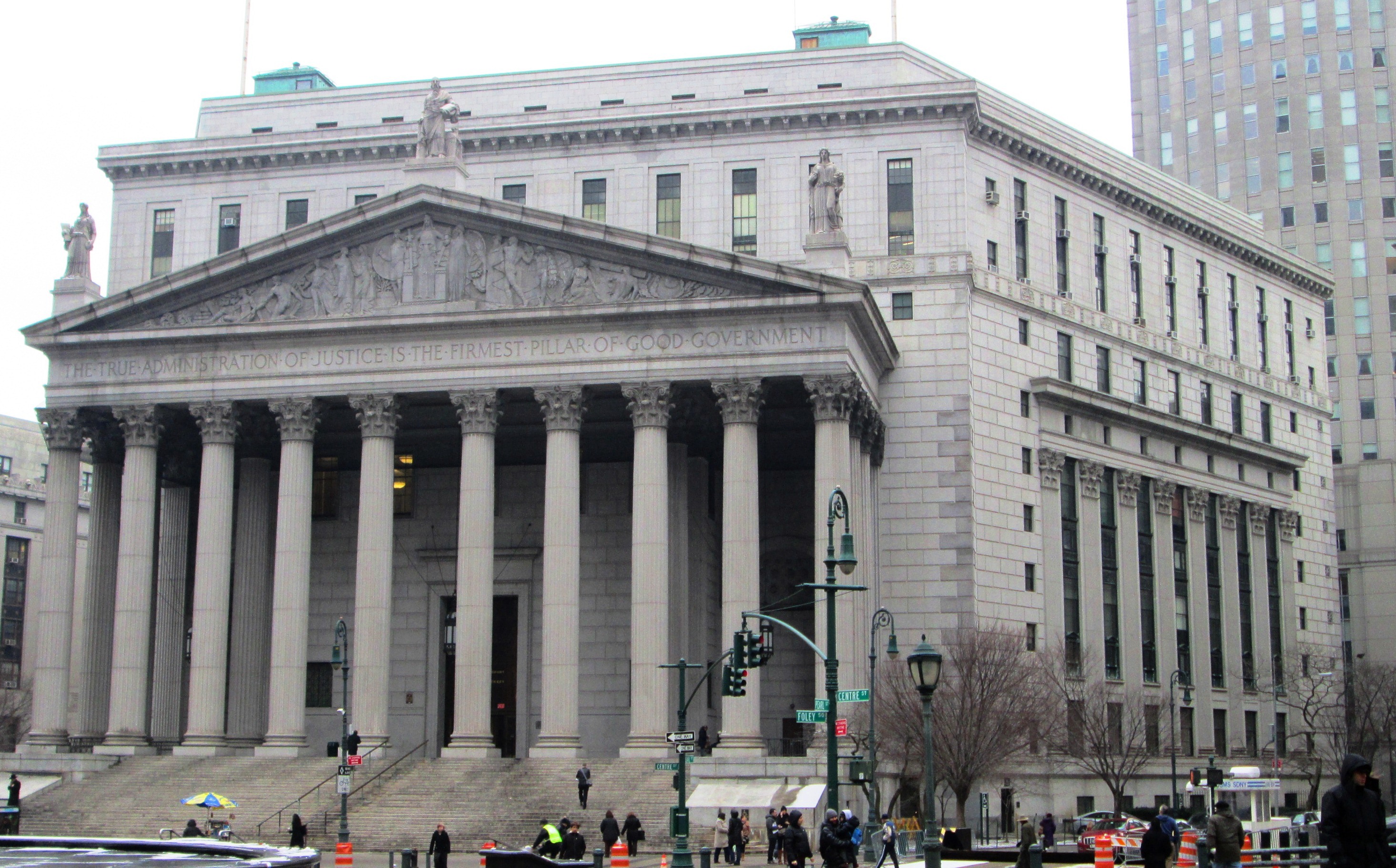
Asset enforcement typically follows a structured process:
- Identification of assets tied to the defendant
- Legal orders allowing authorities to place liens or restrictions
- Potential seizure or liquidation if the judgment remains unpaid
These steps are governed by established legal procedures and are subject to oversight by the courts. Importantly, enforcement actions must comply with due process and cannot be carried out arbitrarily.
Trump’s Response
Trump has publicly criticized the case and the bond requirement, describing the situation as unfair and politically motivated. Such statements are not uncommon in high-profile legal disputes, particularly those involving public figures.
However, from a legal standpoint, public commentary does not alter the procedural requirements of the case. Courts rely on filings, evidence, and established law when determining outcomes and enforcement actions.
Broader Implications
This case highlights several broader issues within the legal and financial system:
- The role of courts in regulating business conduct
- The mechanisms used to enforce large financial judgments
- The challenges of applying standard legal procedures to high-profile individuals
It also underscores a fundamental principle: civil court rulings, once finalized, are enforceable regardless of a defendant’s public status or influence.
What Comes Next
The immediate focus remains on whether the bond will be secured within the required timeframe. If it is, the appeal process will continue, potentially extending the timeline of the case.
If it is not, enforcement actions could begin, shifting the situation from a legal dispute to a financial recovery process.
Either outcome will be closely watched, not only because of the individuals involved, but because of the legal precedents and practical implications that may follow.
Conclusion
The current phase of this case is less about determining guilt or liability — those issues have largely been addressed by the court — and more about compliance with the legal system’s requirements.
The $464 million bond represents a critical checkpoint. It reflects the seriousness of the judgment and the mechanisms in place to ensure accountability.
As events continue to unfold, the case serves as a reminder that legal processes operate according to established rules — and that those rules apply consistently, even in the most high-profile situations.