Rumours, Power, and Panic: The Fallout Narrative Surrounding Epstein Files Resurfaces
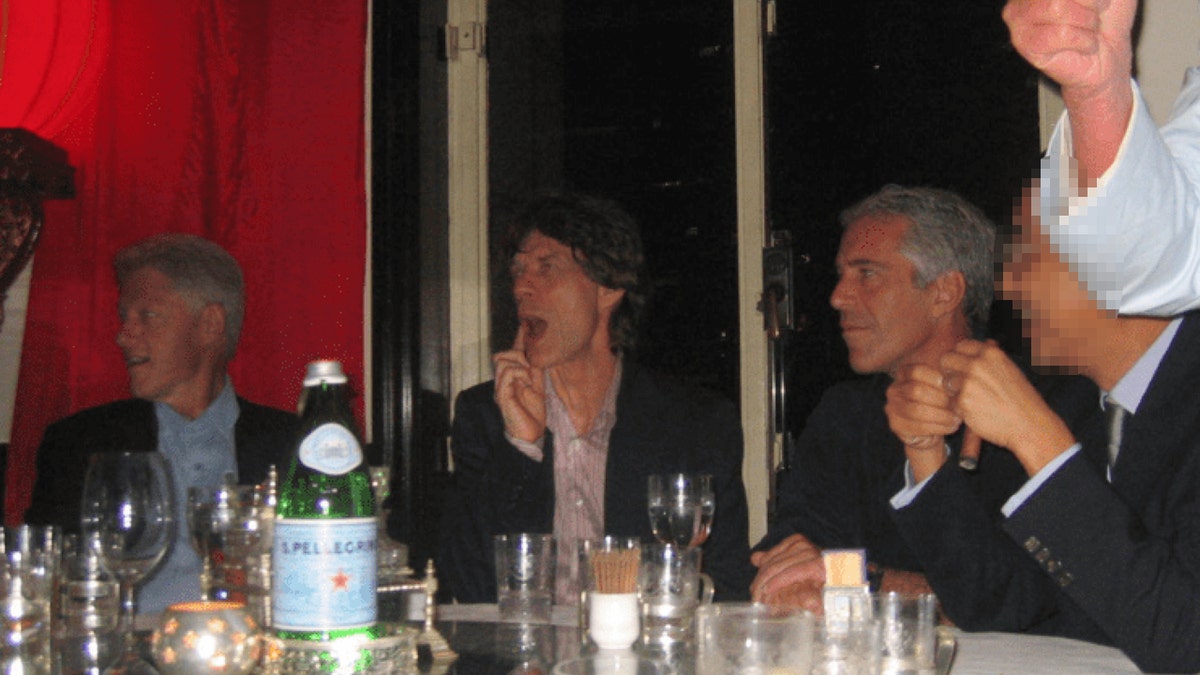
In the digital age, speculation can travel faster than fact. Within hours of renewed attention on documents linked to Jeffrey Epstein, a wave of claims began circulating—suggesting high-profile figures were quietly preparing to leave the United States.
The narrative was dramatic, almost cinematic in tone. It implied urgency, secrecy, and a coordinated response among some of the most recognisable names in entertainment, business, and politics. Yet, as with many viral stories, questions quickly emerged.
Among those mentioned was Cameron Diaz. Reports claimed her name appeared multiple times in connection with Epstein, alongside suggestions of past communication. However, no verified public evidence has substantiated these specific allegations.

Similarly, Kevin Spacey was drawn into the conversation. His history of legal controversies has made him a frequent subject of scrutiny, but the claims linking him directly to Epstein-related travel remain unconfirmed and widely debated.
The inclusion of Leonardo DiCaprio added further intrigue. References to his name appearing in discussions or second-hand accounts have circulated for years, though concrete evidence tying him to wrongdoing has not been established.
Beyond Hollywood, attention turned to Bill Gates. His past association with Epstein has been publicly acknowledged and criticised, yet the broader claims about imminent consequences tied to new document releases remain speculative.

Perhaps most politically sensitive is the repeated mention of Bill Clinton. Records have confirmed that he traveled on Epstein’s aircraft in the past, though he has consistently denied any knowledge of or involvement in illegal activities.
What unites these narratives is not verified action, but perceived risk. The suggestion that multiple high-profile individuals would react simultaneously reflects a broader public fascination with accountability at the highest levels of influence.
Yet it is important to distinguish between documented facts and extrapolated claims. References in records, flight logs, or testimonies do not inherently imply wrongdoing, a nuance often lost as stories gain momentum online.
The speed at which such narratives evolve speaks to a deeper dynamic. In an environment shaped by distrust and past revelations, audiences are more willing to consider the possibility of hidden connections—especially when they involve powerful figures.
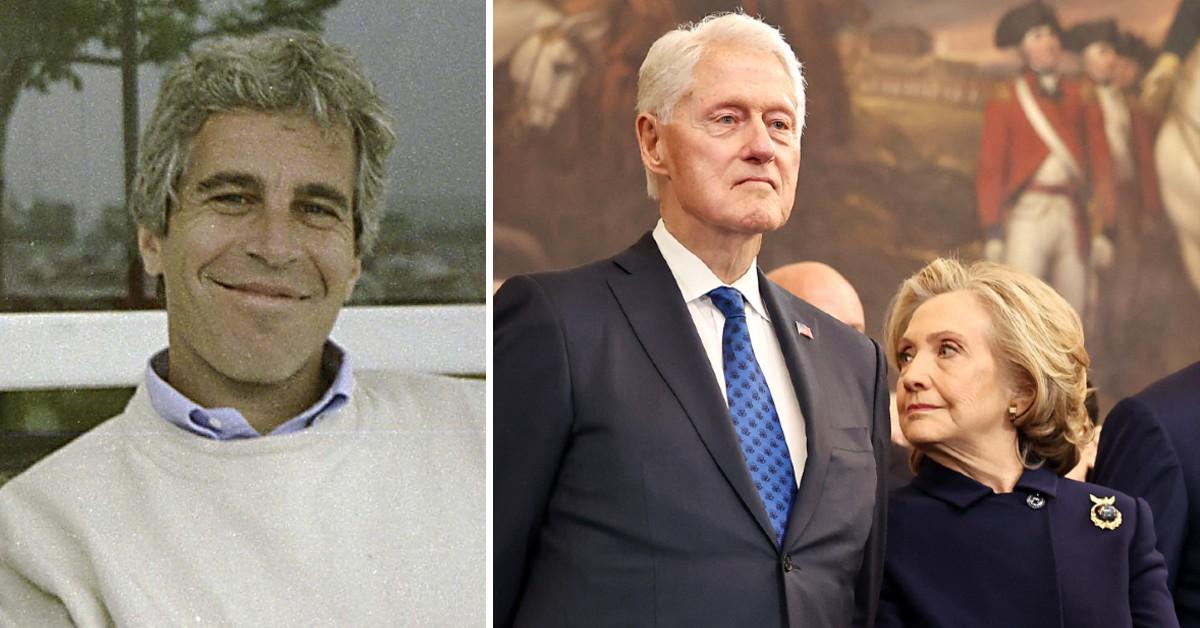
At the same time, the legal and investigative processes surrounding Epstein-related materials remain complex. Document releases are often partial, redacted, and subject to interpretation, making definitive conclusions difficult without full context.
For readers in the United States and the United Kingdom, the story reflects a familiar tension between exposure and speculation. It raises questions not only about who may be implicated, but about how information is consumed and understood.
Ultimately, the current wave of claims reveals more about the climate of suspicion than about confirmed events. It is a reminder that in high-profile cases, perception can move ahead of proof—shaping narratives long before facts are fully established.
As attention continues to build, one reality remains clear: the line between revelation and rumour is increasingly fragile. And in that space, stories can expand rapidly—sometimes faster than the truth can keep pace.