House Impeaches Donald Trump for a Third Time: What Happened and What Comes Next

The U.S. House of Representatives has voted to impeach Donald Trump for a third time, marking an unprecedented moment in American political history. The vote, reported to have taken place on March 24, 2026, followed a contentious debate and passed by a narrow margin, with a small number of Republicans joining Democrats in support of impeachment.
The development reflects both the intensity of current political divisions and the continued scrutiny surrounding Trump’s actions while in office.
The Charges Behind the Impeachment
According to reports, the House approved two primary articles of impeachment:
- Abuse of power
- Obstruction of justice
These charges are tied to allegations that Trump defied court orders, publicly attacked members of the judiciary, and interfered with ongoing investigations. Supporters of the impeachment argue that such actions undermine the rule of law and the constitutional balance between branches of government.
Opponents, however, contend that the move is politically motivated and reflects ongoing partisan conflict rather than clear legal violations.
How the Vote Unfolded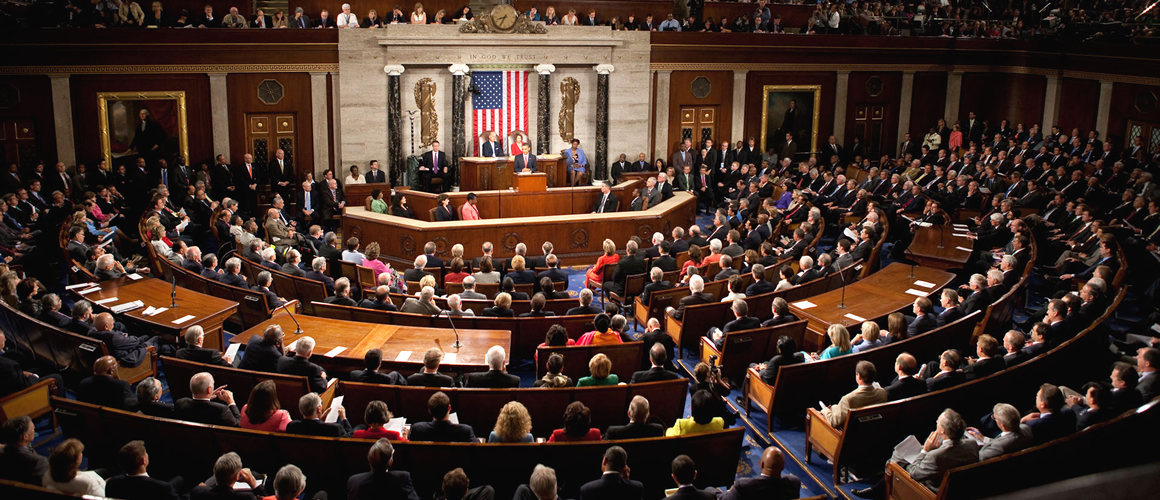
The vote in the House was notably close, highlighting divisions not only between political parties but also within them. A small number of Republican lawmakers broke ranks to support the impeachment effort, contributing to its passage.
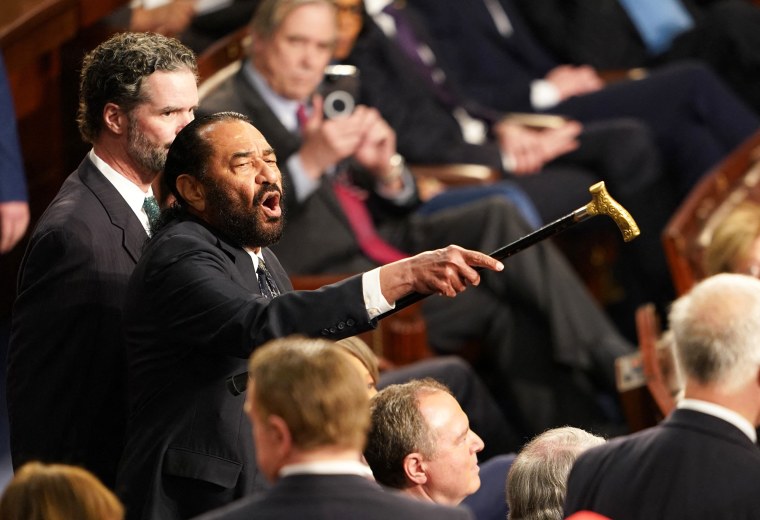
Figures such as Al Green were reported to have played a role in advancing the process, pushing for accountability amid growing tensions over the allegations.
The narrow margin underscores how finely balanced the political landscape currently is, with even a handful of votes capable of shaping major national decisions.
What Impeachment Means — and What It Doesn’t
Impeachment by the House is often misunderstood. It does not remove a president from office. Instead, it is a formal accusation — similar to an indictment — that initiates the next phase of the process.
The case now moves to the Senate, where a trial will be held to determine whether Trump should be convicted and potentially removed from office.
For a conviction to occur, a two-thirds majority in the Senate is required. This high threshold reflects the seriousness of the action and ensures that removal from office can only happen with broad political consensus.
The Senate Trial Ahead
The Senate trial will be the decisive stage.
During this process:
- Evidence will be presented
- Arguments will be made by both sides
- Senators will ultimately vote on whether to convict
Given the current political composition of the Senate, the outcome remains uncertain. Achieving the required two-thirds majority is historically difficult, and past impeachment trials have shown how challenging it can be to reach that level of agreement.
Trump’s Response
Following the vote, Trump reportedly reacted strongly, criticizing the impeachment and those who supported it. He has consistently described similar actions in the past as politically driven efforts to undermine his leadership.
Public reactions among his supporters and critics have been sharply divided, mirroring the broader political climate in the United States.
A Historic and Divisive Moment
If confirmed, this would be the third impeachment involving Trump — an unprecedented situation in U.S. history. It highlights the ongoing tensions surrounding his political role and the broader debate over accountability, executive power, and the limits of presidential authority.
The event also reveals fractures within political parties, particularly as some lawmakers chose to break from traditional party alignment.
Broader Implications
Beyond the immediate legal and political consequences, this impeachment carries wider implications:
- Institutional trust: Public confidence in political and legal institutions may be affected
- Partisan divisions: The vote underscores deep divisions within American politics
- Future precedents: The case could influence how future administrations are held accountable
It also raises questions about how political disagreements are addressed within the constitutional framework.
What Comes Next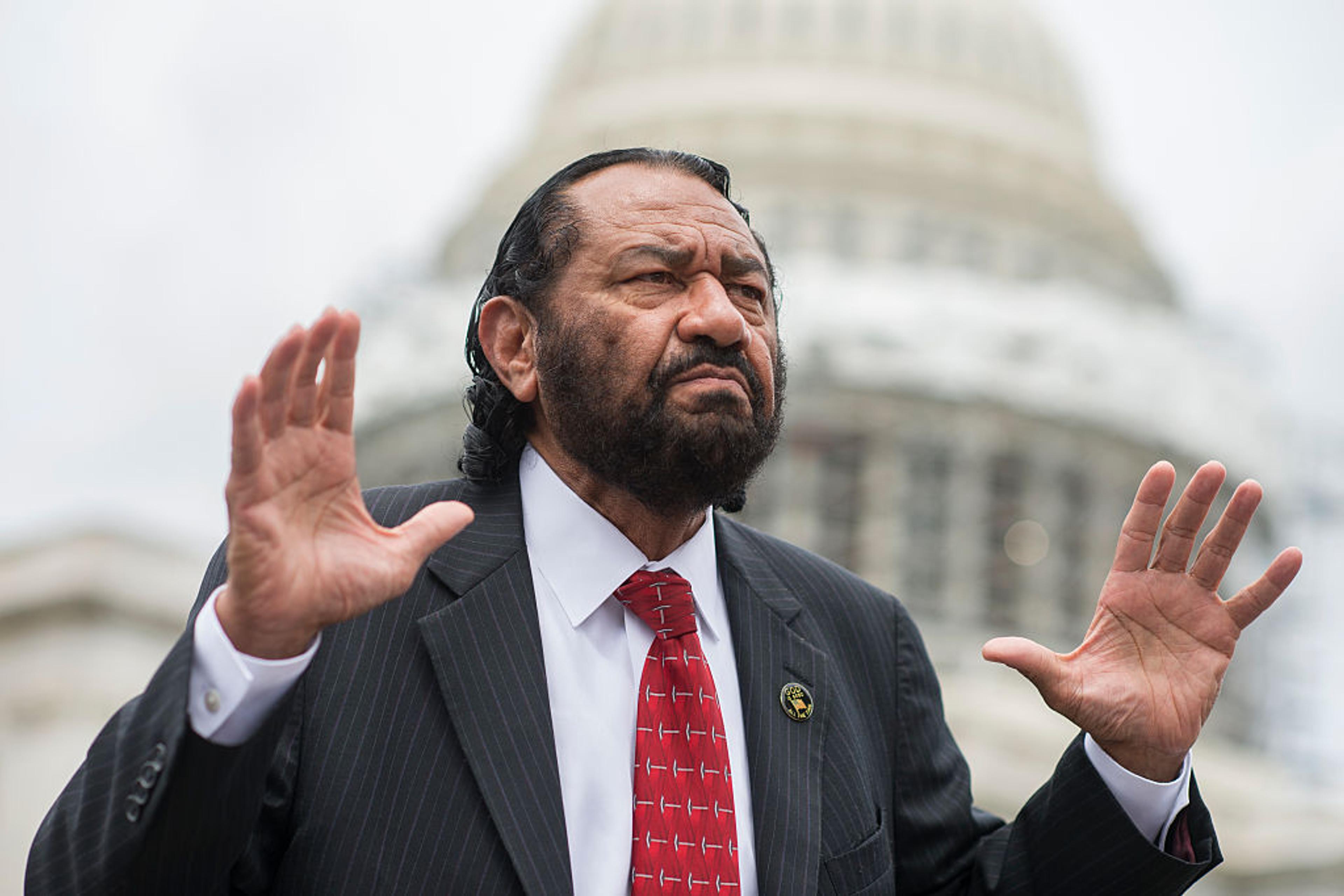
All attention now turns to the Senate trial, which will determine the final outcome of the impeachment process.
Key questions remain:
- Will enough senators vote to convict?
- How will the evidence be presented and interpreted?
- What impact will the trial have on the broader political landscape?
The answers to these questions will shape not only Trump’s political future but also the direction of American governance in the months ahead.
Conclusion
The House vote to impeach Donald Trump for a third time marks a significant and historic moment. While the immediate result is clear, the final outcome remains undecided.
As the process moves to the Senate, the focus will shift from political debate to formal legal proceedings — where the stakes are high and the consequences far-reaching.
Regardless of the outcome, this development reflects the complexities of the U.S. political system and the challenges of navigating accountability in a deeply divided environment.