Between Rhetoric and Reality: Growing Questions Around Trump’s Leadership in a Time of Crisis
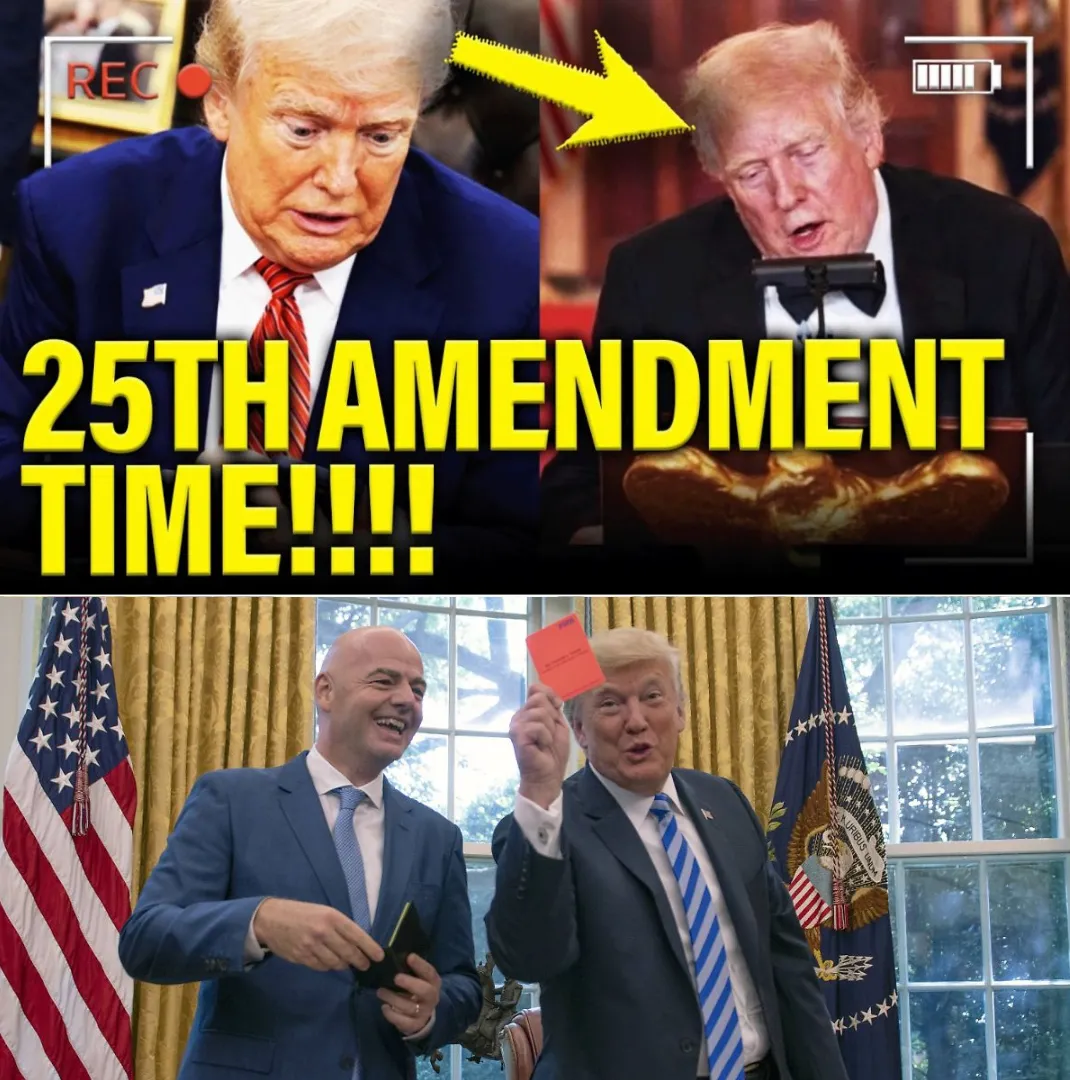
In Washington, scrutiny rarely arrives all at once. It builds—quietly, steadily—until a moment forces attention. For Donald Trump, that moment may now be taking shape amid a series of increasingly debated public appearances.
At the center of the discussion is not a single policy or decision, but a broader concern: consistency. Observers have begun to note a pattern in recent speeches and interviews—one marked less by clarity and more by divergence.
A recent interview on Fox News became a focal point. When asked about humanitarian conditions in Iran, Trump sidestepped the question, instead commenting on host Dana Perino’s appearance—an exchange that drew widespread attention.

For critics, the issue was not the remark itself, but what it seemed to signal: a shift away from substantive engagement during moments that demand precision and seriousness, particularly in the context of an ongoing international conflict.
That conflict—now several weeks deep—has itself been accompanied by fluctuating messaging. Trump has repeatedly suggested that victory is near or already achieved, even as reports indicate continued instability and ongoing negotiations.
This contrast between confident declarations and uncertain realities has become a central point of tension. It is not unusual for leaders to project optimism, but repeated inconsistencies can begin to erode confidence among both allies and the public.
Compounding this perception are long-standing concerns about accuracy. Fact-checkers have previously challenged several of Trump’s claims regarding international affairs, particularly surrounding Iran and broader geopolitical developments.
Yet the current moment feels different—not because of any single statement, but because of accumulation. Small moments, taken individually, might pass without lasting impact. Together, they begin to form a narrative that is harder to dismiss.
Supporters, of course, view the situation differently. For them, Trump’s style—direct, unscripted, and often unconventional—is precisely what distinguishes him from traditional political figures and resonates with a broad segment of voters.
But even within that context, the stakes have shifted. The United States now faces a complex landscape: rising global tensions, economic uncertainty, and strategic decisions that carry consequences far beyond domestic politics.
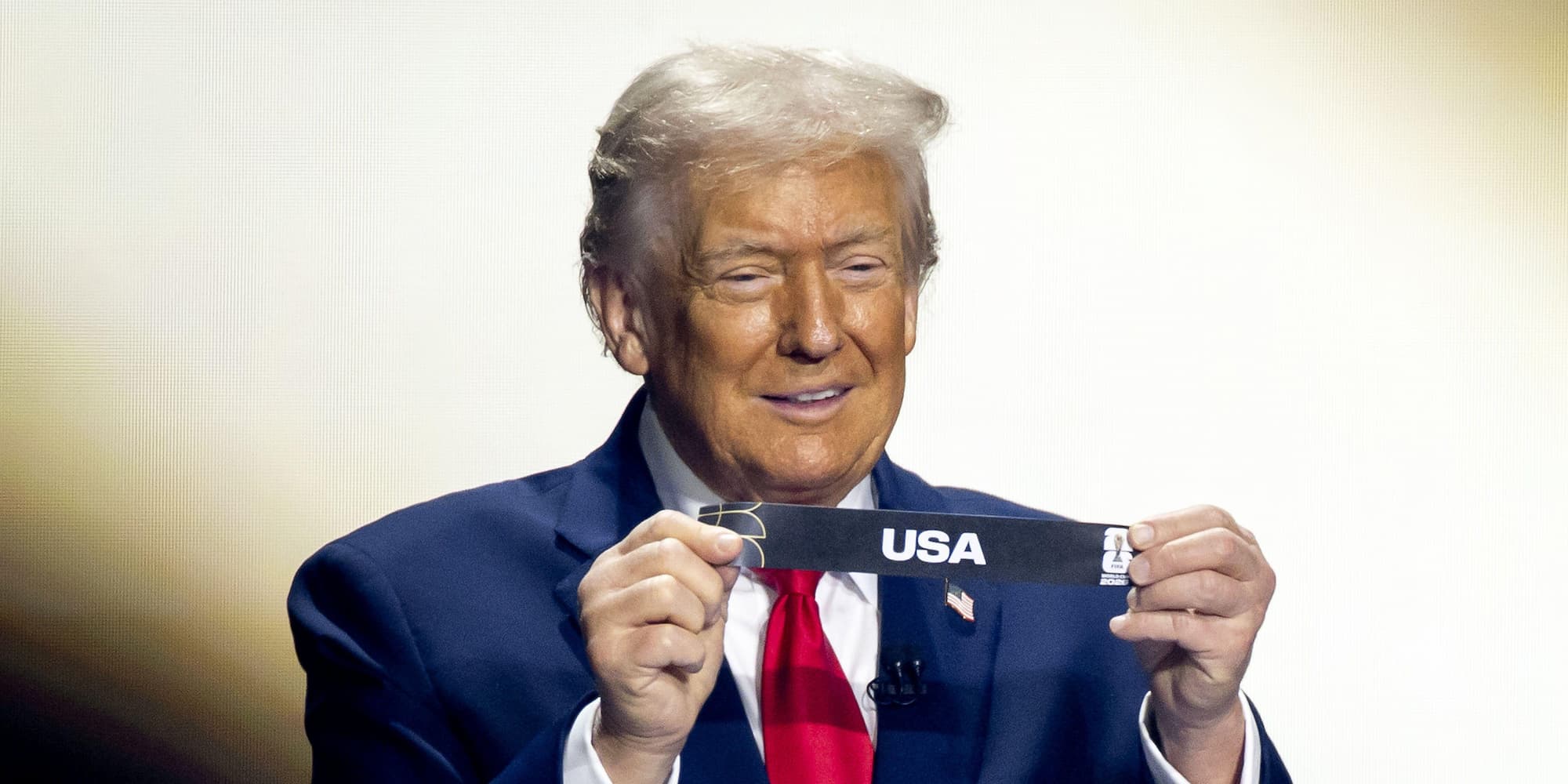
In such an environment, leadership is measured not only by confidence, but by coherence. The ability to communicate clearly, respond directly, and maintain consistency becomes more than a political asset—it becomes a necessity.
This is where the conversation becomes less about personality and more about perception. Because in modern politics, perception is not a byproduct of reality—it often shapes reality itself.
And once questions begin to take hold, they rarely disappear quickly.
Whether these concerns represent a temporary wave of criticism or a deeper shift in public sentiment remains to be seen. But for now, one thing is clear: the narrative is no longer fully controlled.
And in Washington, that alone can change everything.