A Nation on Edge: Washington’s Power Struggle Intensifies Amid War, Shutdown, and Rising Doubts
In late March 2026, Washington found itself gripped by a convergence of crises—military, political, and economic—unfolding almost simultaneously. At the center stood Donald Trump, facing mounting scrutiny from a Senate no longer content to remain passive.
The challenge began with war powers. Senators including Chris Murphy, Cory Booker, and Tim Kaine pushed forward a resolution to limit unilateral military action against Iran.
Their argument was rooted in constitutional authority. Congress, not the presidency alone, holds the power to declare war. Yet billions had already been spent—reportedly without explicit legislative approval—raising urgent questions about accountability.
Estimates suggested that as much as $25 billion had been directed toward the ongoing conflict. For lawmakers, the issue was no longer theoretical. It was about oversight, transparency, and whether democratic safeguards were being bypassed in real time.
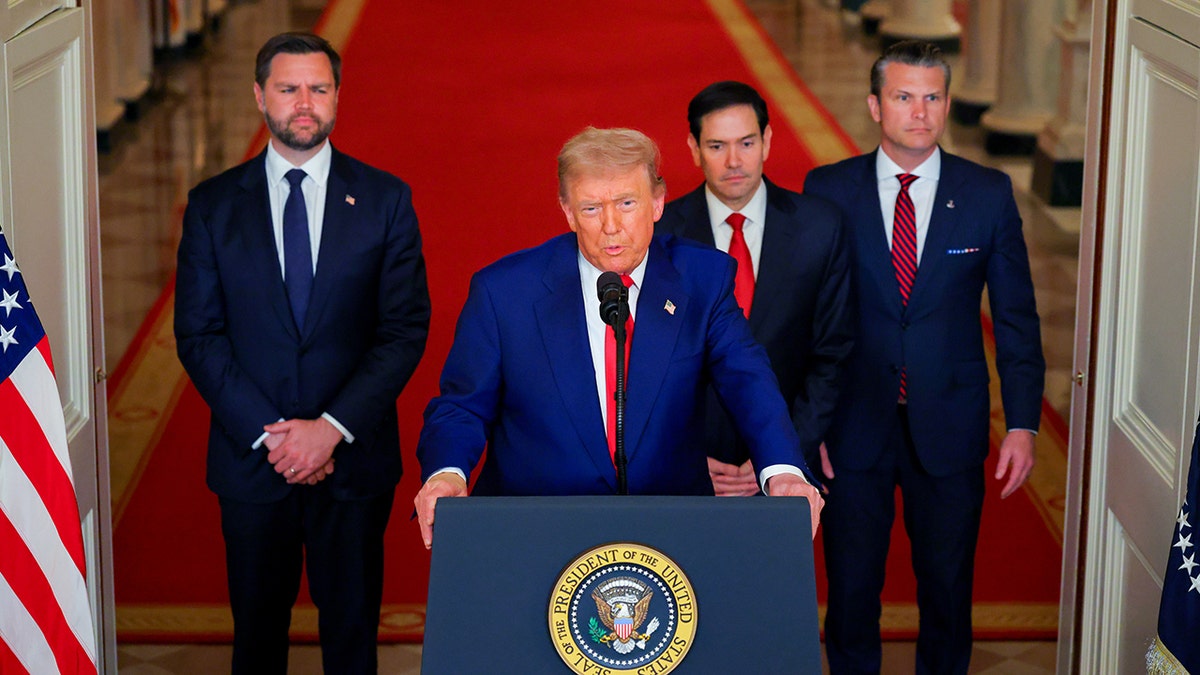
The Senate’s response extended beyond legislation. High-ranking officials, including Defense Secretary Pete Hegseth and Secretary of State Marco Rubio, were called to testify under oath.
At the same time, a domestic crisis was unfolding. A partial government shutdown had stretched into its forty-first day, disrupting essential services and exposing vulnerabilities within critical infrastructure, particularly in transportation security.
The impact was immediate. Hundreds of TSA employees had resigned, and absentee rates surged, leaving airports strained and travelers facing delays. What began as a budget dispute had evolved into a visible breakdown of operational stability.

In response, the Senate passed emergency funding for key agencies, excluding immigration enforcement. Trump countered with an executive order mandating immediate pay for TSA workers, framing the move as decisive leadership amid congressional gridlock.
Yet even as these tensions played out publicly, a quieter controversy began to surface. Reports of suspicious financial activity—massive stock movements occurring just before a key military announcement—raised the specter of insider trading.
The allegations were serious. Murphy described them as “shocking,” suggesting potential abuse of privileged information. However, efforts to expand the investigation faced resistance, highlighting the deep partisan divides shaping the response.
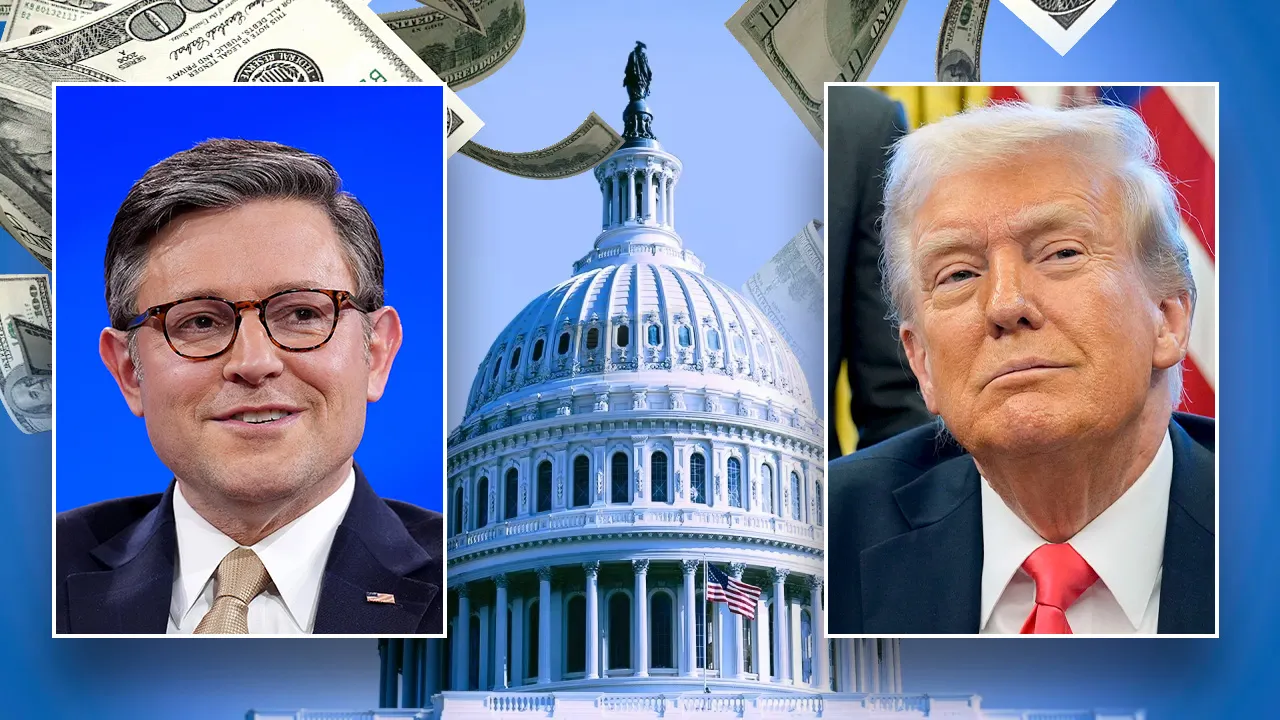
Meanwhile, symbolic decisions added another layer to the unfolding narrative. Plans to include Trump’s signature on U.S. currency, marking the nation’s 250th anniversary, sparked debate over tradition, precedent, and the optics of presidential influence.
Beyond Washington, the global picture grew increasingly volatile. Iran’s threats to restrict access to the Strait of Hormuz—a critical artery for global oil supply—sent ripples through energy markets and raised fears of economic disruption.
In a surprising shift, the administration moved to ease certain oil sanctions on Iran, a decision that appeared aimed at stabilizing markets but also underscored the complexity of balancing geopolitical strategy with economic necessity.
Behind the scenes, discussions of a potential ground invasion added a new dimension of urgency. Such a move would not only escalate the conflict abroad but also deepen the constitutional confrontation at home.
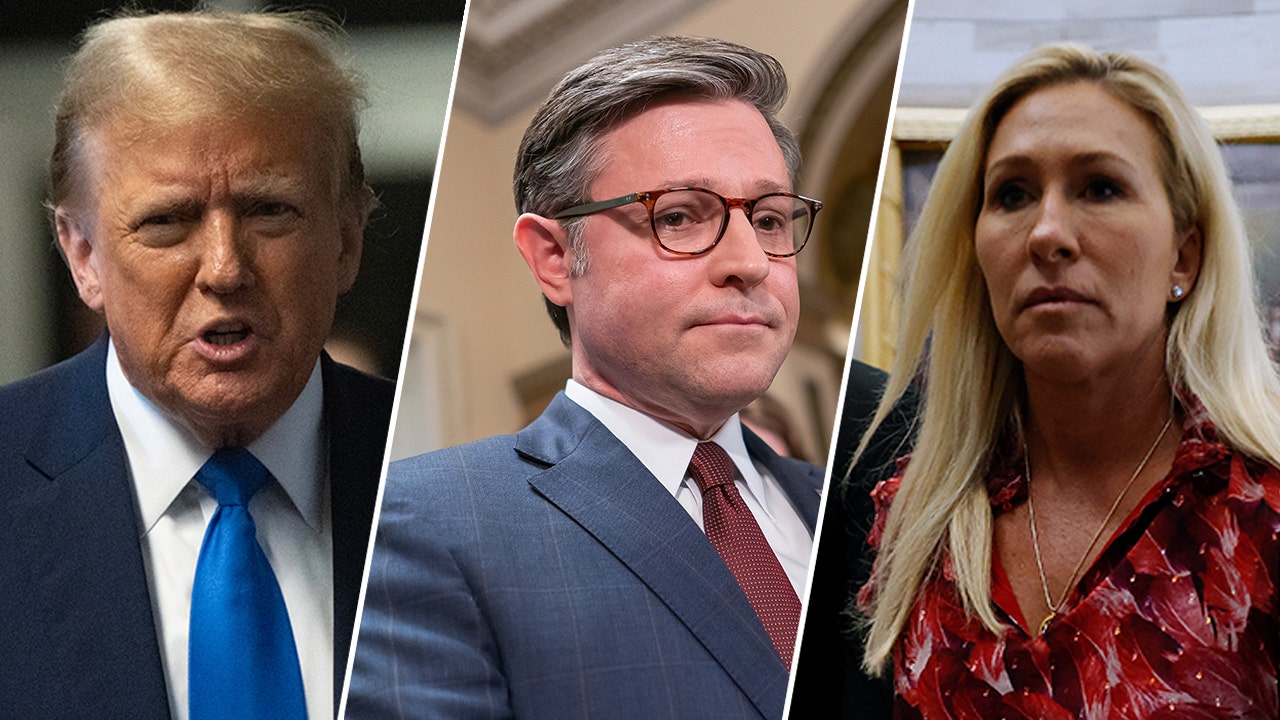
Taken together, these developments reveal more than a series of isolated events. They point to a broader struggle over power, authority, and the limits of executive action in a system designed to prevent precisely this kind of concentration.
For observers in both the United States and the United Kingdom, the implications are profound. This is not merely a political dispute—it is a test of institutional resilience at a moment when pressure is mounting from every direction.
And as Washington continues to navigate this turbulent chapter, one reality becomes increasingly clear: the balance between leadership and accountability is no longer an abstract principle—it is being contested in real time.