Silent Leverage: How Canada Is Quietly Redrawing the Balance of Power with the United States

In an era defined by loud diplomacy and public confrontation, Canada’s response to rising pressure from Donald Trump has been strikingly restrained—almost silent. Yet beneath that calm exterior, a deeper strategic shift may already be underway.
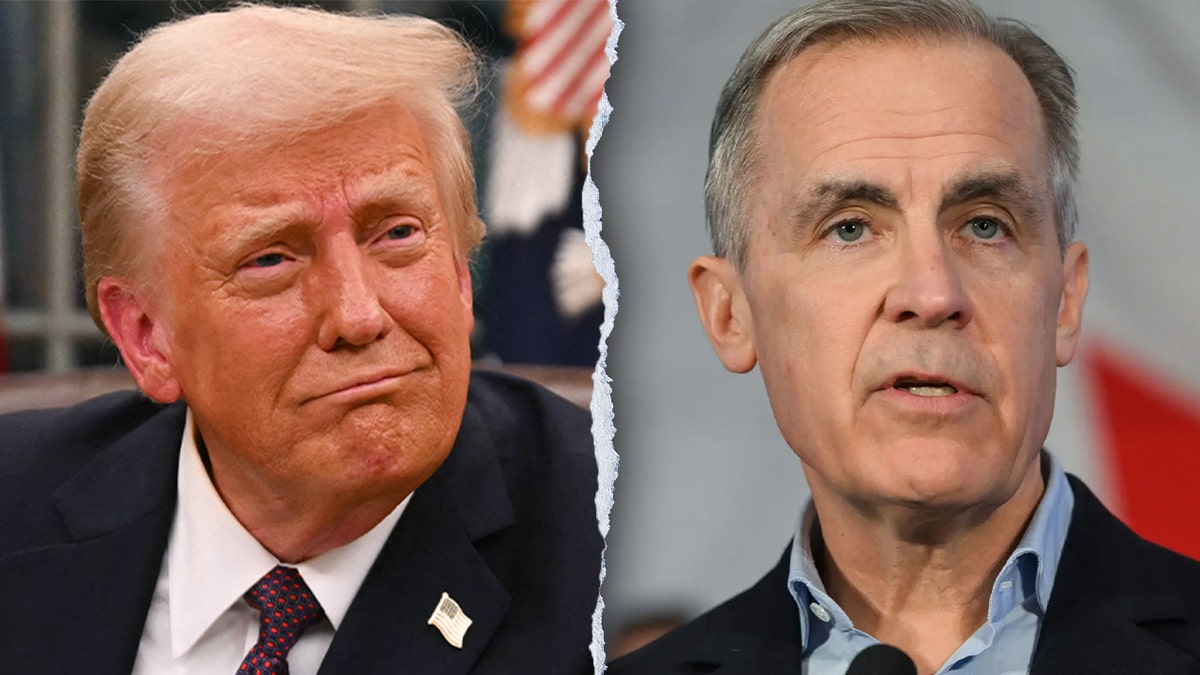
As rhetoric escalates, many expected an equally forceful reply. Instead, figures like Mark Carney represent a different approach—one rooted not in reaction, but in recalibration, patience, and long-term positioning.
At the heart of this evolving dynamic lies an uncomfortable reality: dependence between the United States and Canada is far from one-sided. In fact, critical sectors reveal a far more complex and interwoven relationship than political narratives often suggest.
Energy stands as one of the clearest examples. Millions of barrels of Canadian oil flow into the United States daily, feeding refineries specifically engineered to process heavier crude—an infrastructure reality that cannot be easily or quickly replaced.
Electricity tells a similar story. Parts of the U.S. Northeast rely heavily on Canadian hydropower to stabilize grids during peak demand, making cross-border cooperation less of a choice and more of a necessity.
Beyond energy, the stakes grow even higher in the race for critical minerals. Canada holds vast reserves of lithium, nickel, and cobalt—resources essential for electric vehicles, defense technologies, and the future of industrial competitiveness.

While the United States works to secure domestic supply chains, progress remains uneven. This gap has quietly strengthened Canada’s position, transforming natural resources into geopolitical leverage with implications far beyond North America.
Yet Canada’s strategy does not stop at leveraging existing dependencies. It is simultaneously building alternatives—deepening trade ties with Europe and strengthening partnerships across Asia, from Japan to South Korea.
This diversification signals a subtle but profound shift. Access to Canadian resources and markets is no longer guaranteed by proximity alone. Instead, it is becoming part of a competitive global landscape where alliances must be actively maintained.
Financial influence adds another layer to this evolving equation. Canadian pension funds and institutions have invested heavily in U.S. infrastructure and real estate, creating channels of influence that operate quietly but carry significant weight.
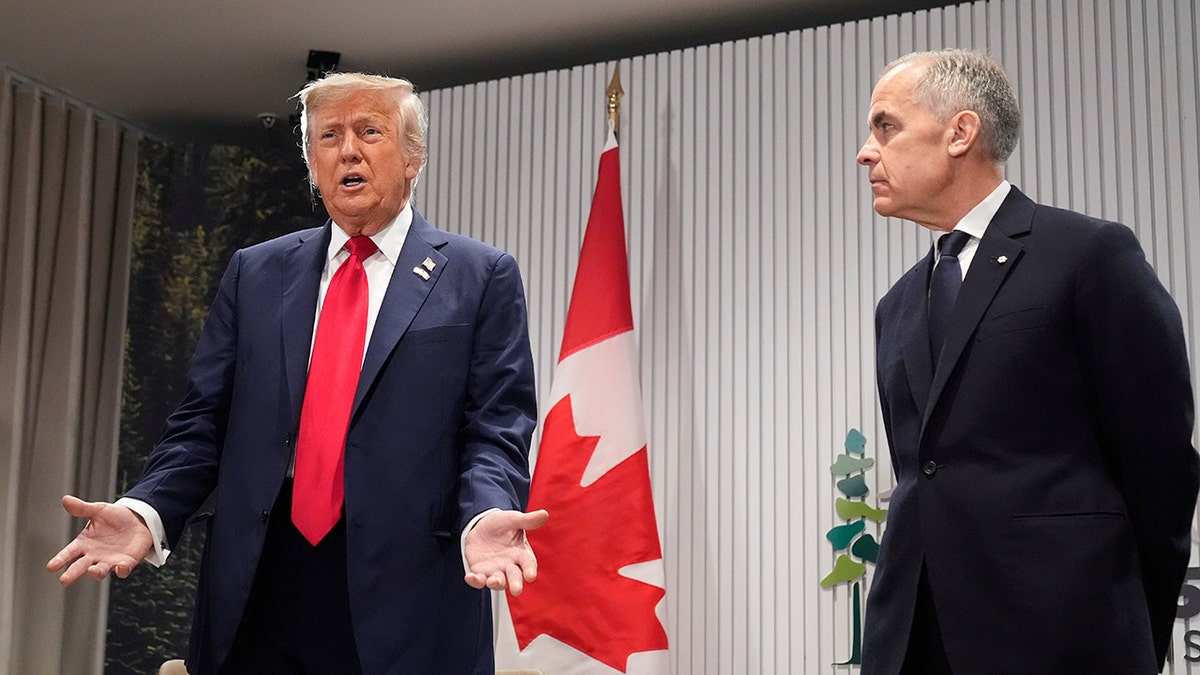
Even modest defense decisions echo loudly. The cancellation of a billion-dollar procurement agreement, while limited in economic scale, sends a political signal—one that resonates in local economies and electoral considerations within the United States.
Taken together, these moves suggest more than policy adjustments. They point to a gradual erosion of the trust-based framework that has long defined U.S.-Canada relations, replacing it with a more transactional, calculated dynamic.
For Canada, the strategy appears rooted in endurance—absorbing short-term pressure while building long-term independence. For the United States, the challenge may be less about dominance, and more about adaptation.
Because the question is no longer whether Canada can resist pressure. It is whether Washington is prepared for a future in which its northern neighbor is no longer quietly aligned—but strategically autonomo