Political Pressure Mounts as Trump Reverses TSA Pay Decision Amid Congressional Absence
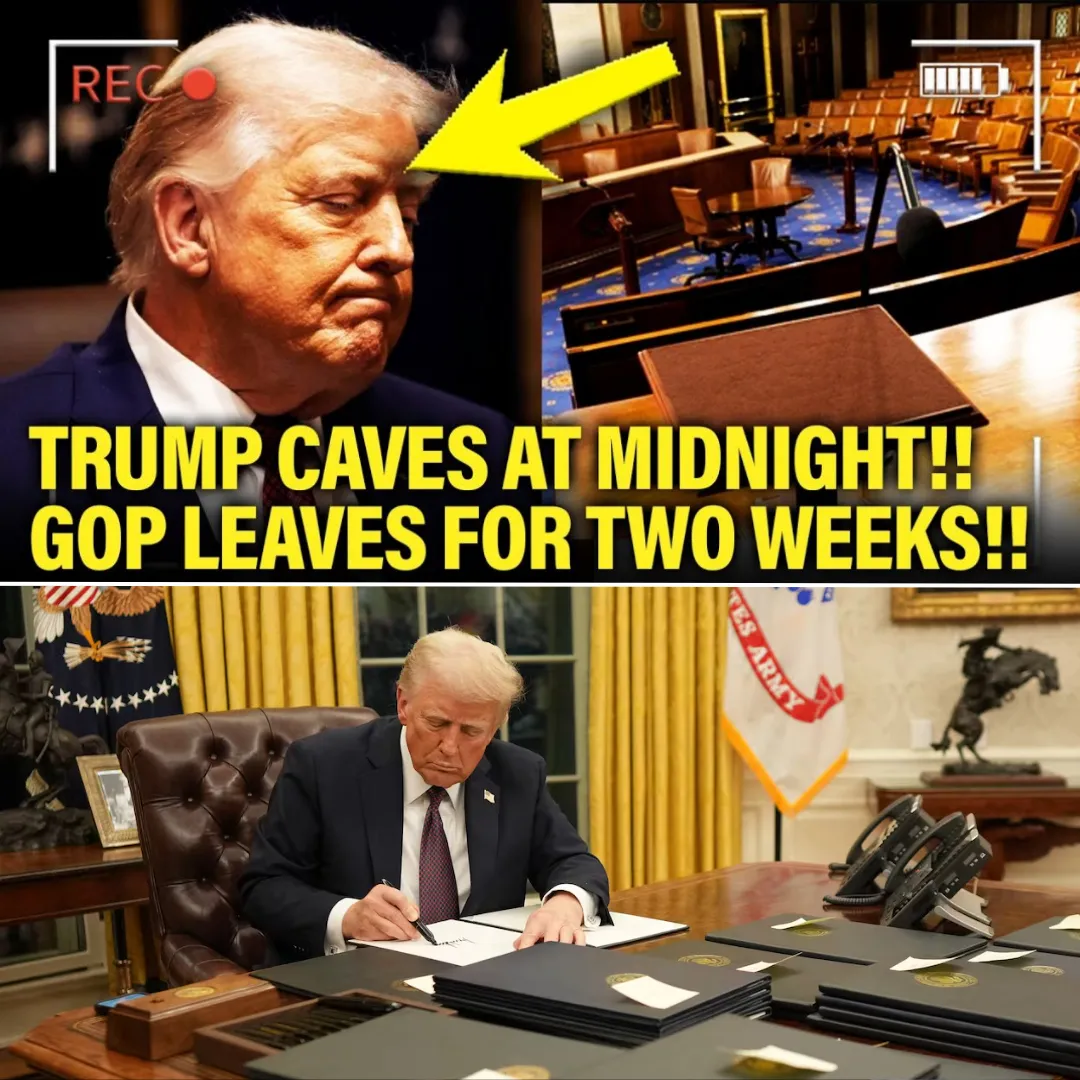
In a sudden shift that has raised eyebrows across Washington, Donald Trump reversed course on a contentious issue, ordering immediate payment for thousands of Transportation Security Administration workers after weeks of mounting pressure and disruption.
The decision came after prolonged delays left TSA employees working without pay, triggering widespread frustration at airports nationwide. Long security lines and operational strain became visible symbols of a deeper political standoff unfolding behind the scenes.
According to critics, the situation may not have been inevitable. Reports suggest that administrative authority to release funds existed earlier, prompting accusations that the delay was a calculated move rather than a logistical constraint.

As scrutiny intensified, attention shifted to Transportation Security Administration workers themselves, many of whom faced financial hardship while continuing to perform essential duties under increasingly difficult circumstances.
The timing of Trump’s reversal has proven particularly controversial. The order coincided with the departure of key Republican leaders in Congress, who began a planned two-week recess despite escalating tensions both domestically and internationally.
Figures such as Mike Johnson and John Thune came under criticism for leaving Washington at a moment when legislative action was urgently needed to address unresolved funding disputes and national security concerns.
These developments unfolded against the backdrop of a partial government shutdown, further complicating an already fragile political environment. Negotiations over federal funding had stalled, leaving critical agencies caught in the crossfire of partisan disagreement.
At the heart of the dispute lies a broader conflict over immigration enforcement. Republicans have pushed for expanded funding for agencies such as U.S. Immigration and Customs Enforcement, while Democrats have resisted without additional oversight measures.
This standoff has exposed deep divisions in policy priorities. While one side emphasizes border security, the other has raised concerns about civil liberties and the scope of enforcement powers granted to federal authorities.

Meanwhile, the administration’s handling of international tensions—particularly regarding Iran—has added another layer of urgency to the situation. Critics argue that domestic instability could weaken the United States’ global posture.
Comments from congressional leadership have done little to ease concerns. Johnson’s characterization of the situation abroad as merely a “conflict” rather than a “war” has drawn criticism for downplaying the seriousness of unfolding events.
Further controversy emerged surrounding Nancy Mace, who faced potential consequences after allegedly disclosing sensitive information related to classified briefings, highlighting ongoing tensions within the Republican Party itself.

Amid the political maneuvering, journalists have played a crucial role in shaping the narrative. Investigative reporting helped reveal that mechanisms to resolve the TSA pay issue may have been available earlier than publicly acknowledged.
This revelation has fueled a broader debate about accountability and governance. For many observers, the episode raises uncomfortable questions about whether political strategy took precedence over the immediate needs of federal workers.
Ultimately, Trump’s reversal may have eased immediate operational pressures at airports, but it has also intensified scrutiny of leadership decisions during a critical moment. The episode stands as a stark reminder of how political calculations can directly impact everyday Americans.
As Congress remains in recess and unresolved issues linger, the coming weeks may prove decisive in determining whether this moment marks a temporary disruption—or a deeper shift in how governance is conducted under pressure.